Boho twists explained: how they compare to passion twists, island twists, and locs, plus install time, how long they last, and how to style and care for them.
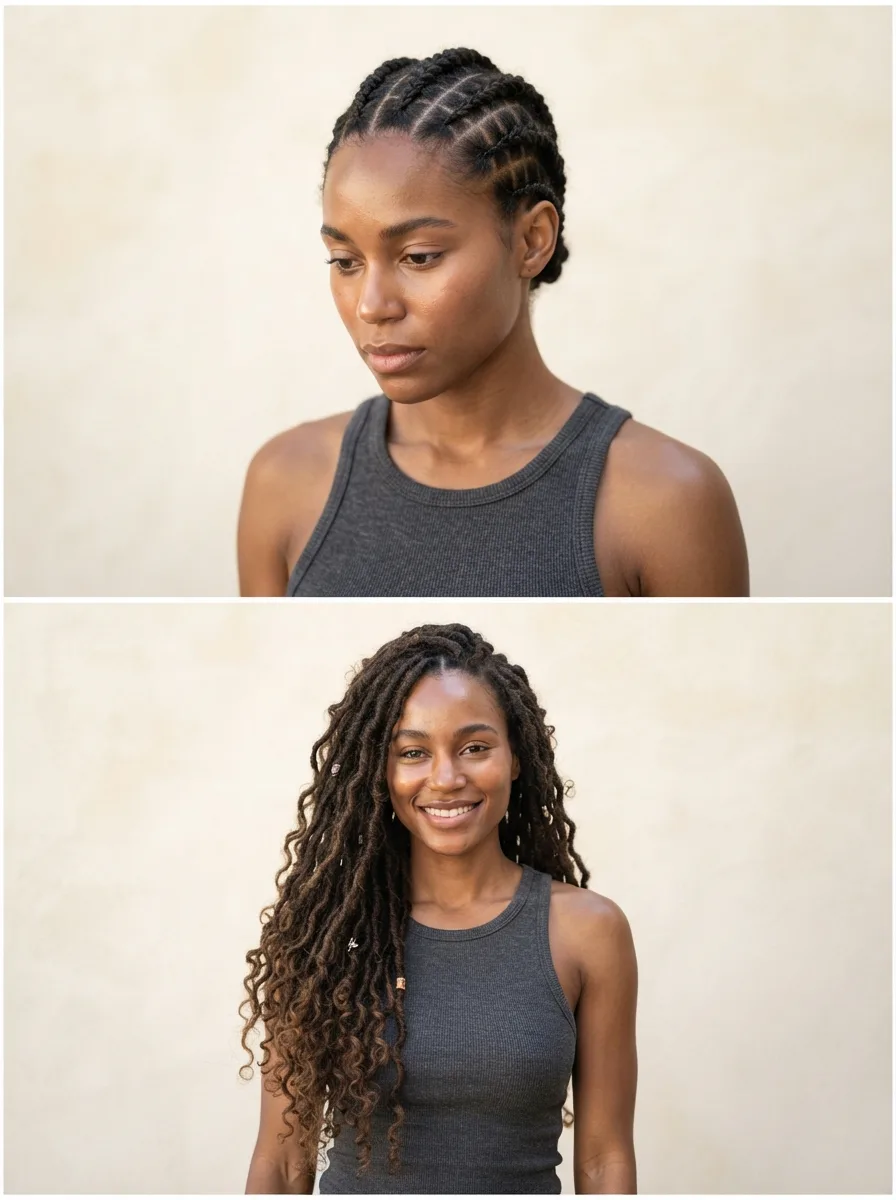
Boho twists take the same two-strand technique behind any twist style — natural hair and extension hair wound around each other in a simple spiral, no crochet hook, no permanent locking — and finish it the way the rest of the boho hair category does: loose curly ends, a few beads or a shell here and there, and a part pattern that looks a little undone on purpose. Passion twists, spring twists, and island twists are the three names that come up most, and while they use slightly different extension hair and land on slightly different textures, the boho treatment layers onto all three the same way. Here’s what actually separates them, how they’re installed, and how to keep a set looking good for its full run.
Boho Twists vs. Passion Twists vs. Island Twists vs. Locs
The names overlap constantly, so it helps to know what each one actually describes. “Passion twists” and “island twists” mostly describe the hair and the twist itself. “Boho” describes the finish: loose curly pieces pulled out along the length, curly ends, and a softer part. “Locs” are a different technique altogether. The ranges below are typical for a full head at mid-back length; size, density, and your stylist’s speed all shift them.
Boho twists
Passion twists
Island twists
Boho locs (faux)
Technique
Two-strand twist, curly pieces left loose
Two-strand twist
Two-strand twist
Hair wrapped or crocheted to mimic a loc
Hair used
Any twist hair + curly human or synthetic pieces
Wavy water-wave “passion” hair
Curly human or human-blend hair
Pre-made or wrapped loc hair, often with curly pieces
Finished look
Rope twist with curls throughout
Soft, fuzzy, textured twist
Slimmer, glossy, natural-looking twist
Matte, loc-textured strands
Install time
4-7 hours
3-5 hours
5-8 hours
4-8 hours
How long it lasts
4-6 weeks
4-6 weeks
4-6 weeks
6-8 weeks
Takedown
Unravel by hand
Unravel by hand
Unravel by hand
Unwrap, often 2-4 hours
Best for
Undone, curly, beachy look
Fast, lightweight texture
Most natural-looking twist
Longest wear, loc look without commitment
In practice, most “boho twists” you see on Pinterest are passion or island twists with extra curly hair left out — the boho finish is a layer on top, not a separate base. For the full breakdown of each base, including how much hair to buy and how to care for it, see our guides to passion twists and island twists. If you like the curly-pieces look but want a flatter, more defined braid underneath, the same finish exists on boho knotless braids, and our boho braids guide compares the braided options.
Passion, Spring, and Island Twists: What Actually Changes
All three styles start from the same place — a two-strand twist, natural hair wrapped around extension hair in a simple spiral rather than braided or crocheted. What changes is the extension hair itself and the resulting texture.
Two clean strands twisted around each other, no locking or matting — this is what separates a twist install from a loc install at the root.
Passion twists use a wavy, pre-curled extension hair that gives soft, defined curls along the whole twist, not just the ends — the most versatile of the three and the one most often paired with a full boho curl-heavy finish. Spring twists use a tightly pre-coiled hair that produces a springier, more compact curl pattern, closer to natural coily texture. Island twists are usually made with curly human or human-blend hair, which gives a glossier, more natural-looking twist with a relaxed, undone silhouette that leans into the boho aesthetic almost automatically. None is strictly “more boho” than another — the beads, shells, and curl accents that define the look work with any of the three.
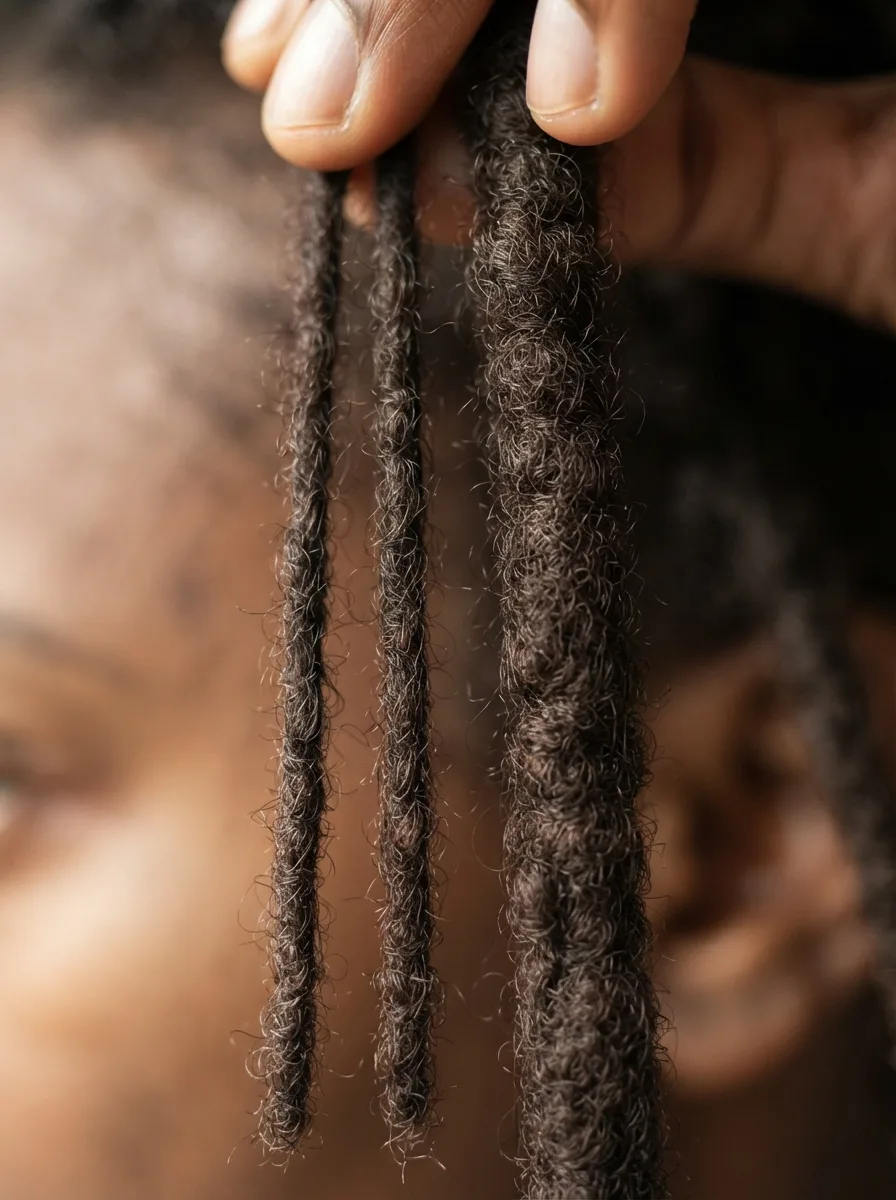
Spring twists (fine, tightly coiled) versus a thicker passion or island twist — the size and wind tightness is the main thing that changes between styles.
Twists vs. Locs: The Distinction That Actually Matters
It’s worth being precise about this, since twists and locs get grouped together constantly even though they’re built differently. A twist is two strands wound around each other — no locking mechanism, and it can be unraveled by hand at any point, section by section, just by twisting in the opposite direction. Boho locs, even though they’re also a temporary install rather than real permanent locs, use a wrapping or crochet technique specifically designed to mimic the matted structure of locked hair, which generally makes them slower to both install and remove than twists.
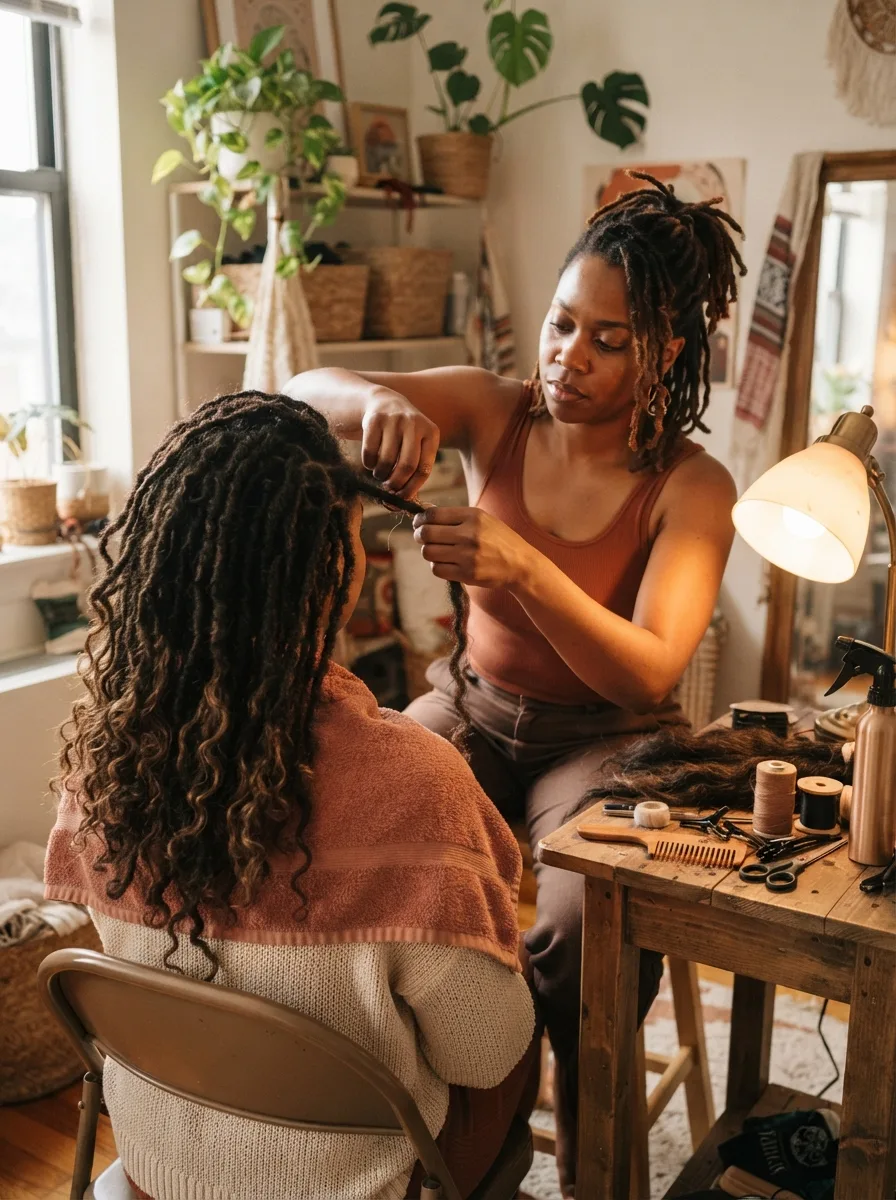
The two-strand wrap technique that builds a twist, one section at a time — no crochet hook or locking method involved.
Practically, that means twists are usually the faster style to both put in and take out, and the easier one to unravel yourself in a pinch if you need to. If you’re deciding between the two for your next protective style, it often comes down to which finished texture — a rounder, ropier twist versus a slightly flatter loc — you prefer, since maintenance and wear time land in a similar range either way.
How Twist Size Changes the Finished Look
Like braids, twist size is a real styling decision, not just a technical detail. Thinner, more numerous twists give the most natural-looking, scalp-hugging finish and the widest range of styling options, from sleek updos to loose curly waves, but they take longer to install.
Twists installed as a base can go straight into an updo or stay loose and flowing — the base holds either way.
Thicker twists cut install time down substantially and put less tension on any single section, trading some of that styling range for speed and comfort. Neither is the “correct” choice; it’s a tradeoff worth discussing with your stylist based on how much time you have and how you plan to wear the style day to day. Length works the same way: a chin-to-shoulder set is lighter and faster, and most of the face-shape advice in our short boho braids guide applies to short twists too.
The Curl and Where It Comes From
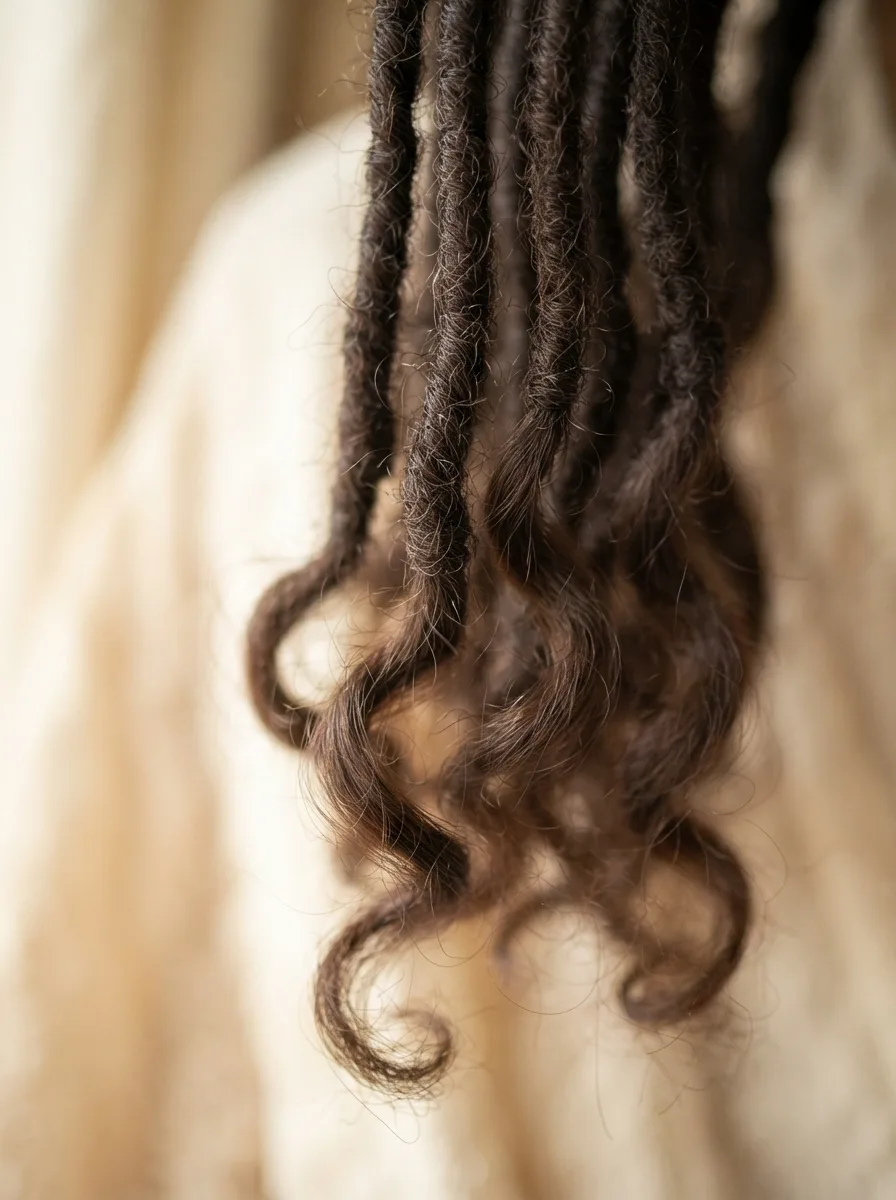
Unlike a braid, where curl is often added separately at the ends, twist curl is usually already built into the extension hair itself — passion and spring twist hair typically comes pre-curled or pre-coiled from the manufacturer, so the twisting technique itself doesn’t need to create the curl pattern, just preserve it. The boho twist look adds a second curl source on top: loose curly pieces left out along the length, the same way they’re added to braids. If you want bigger, defined spirals at the ends instead, that’s closer to boho French curl braids, where the curl is heat-set into the tips.
The curl at the ends is usually pre-set into the extension hair, not created by the twisting technique itself.
Boho Accents on a Twist Base
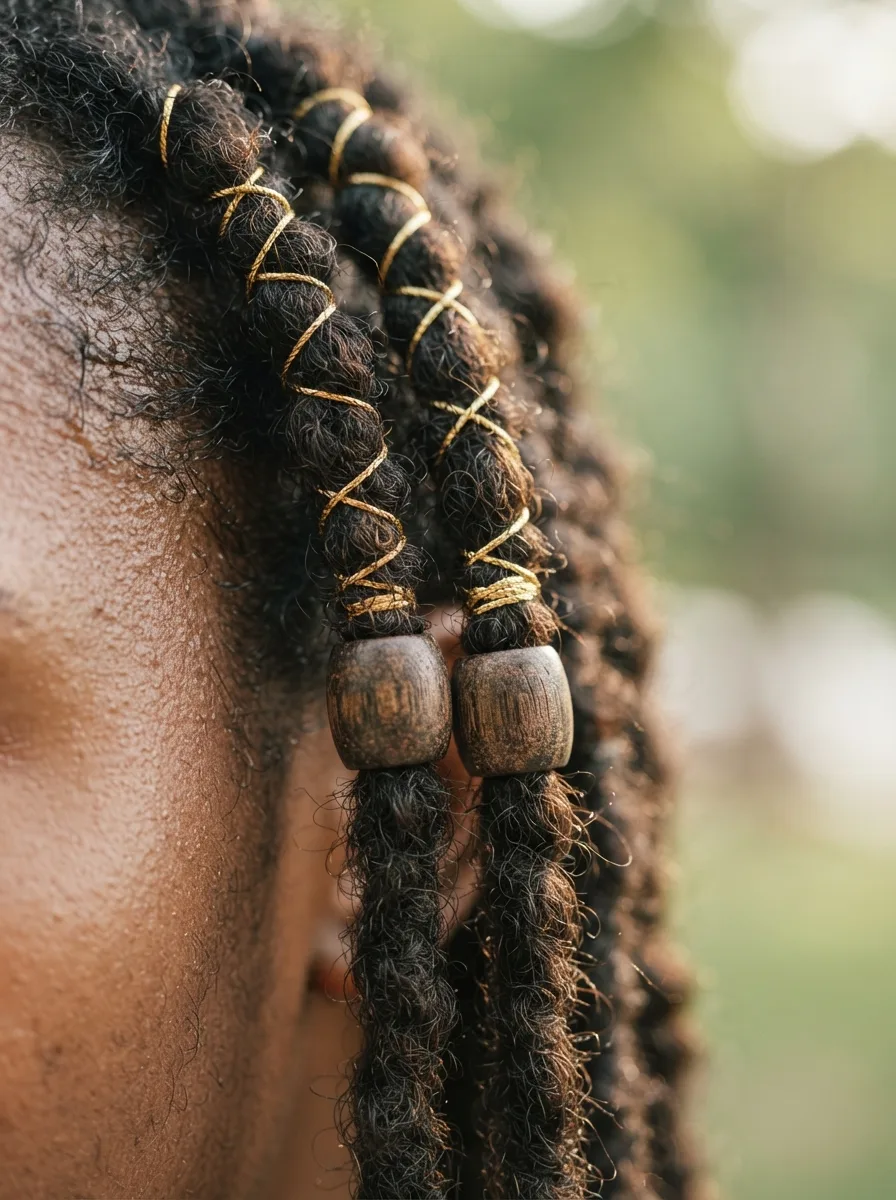
Gold thread wrapped in a spiral near the base of a twist, finished with a single wood bead, is one of the most common boho twist details — it works especially well on thicker island or passion twist sections, where there’s more surface area for the wrap to sit against.
A gold-thread wrap near the base is a common boho twist finishing detail, especially on thicker passion or island twist sections.
Small cowrie shells threaded through a handful of face-framing twists give a coastal-leaning variation on the same idea, distinct from the wood-and-brass palette used more often on braids and locs.
Shells instead of beads is a specific boho-twist styling choice that leans coastal rather than desert.
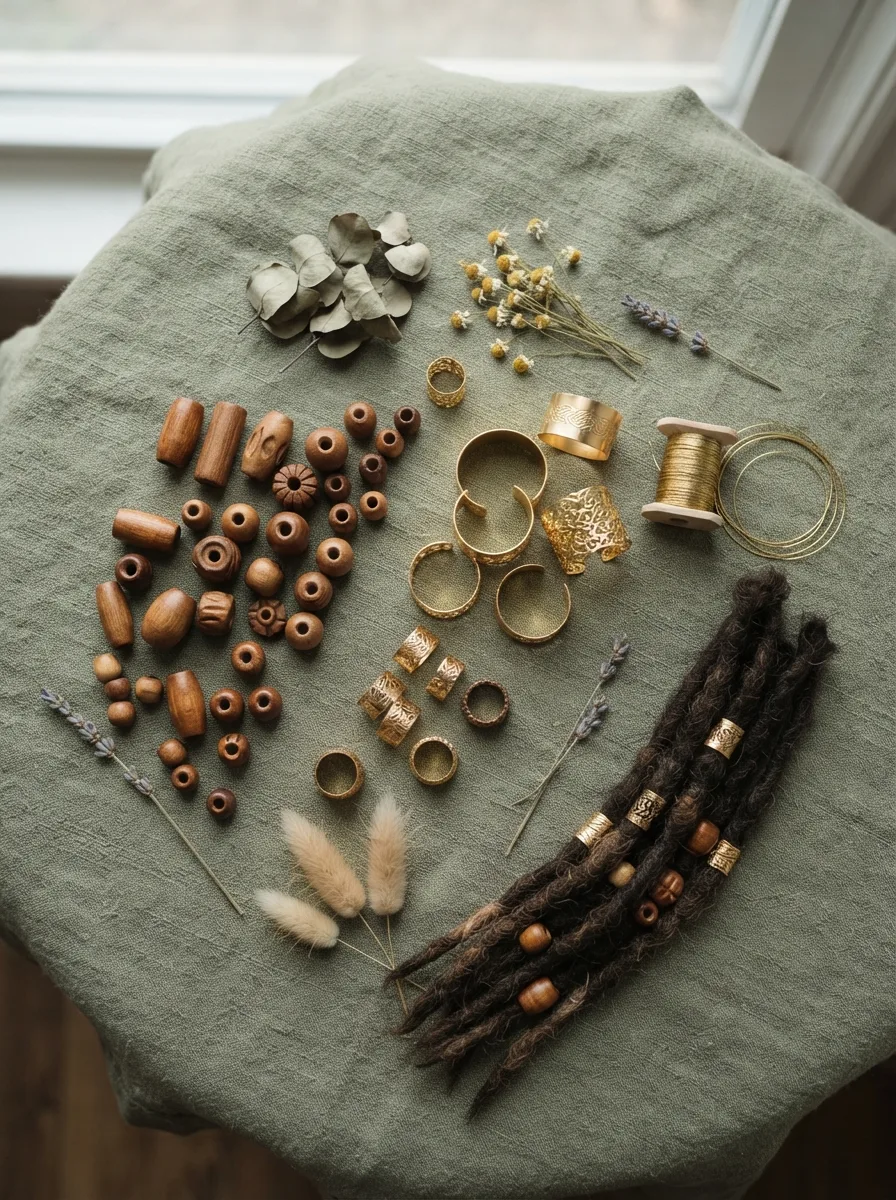
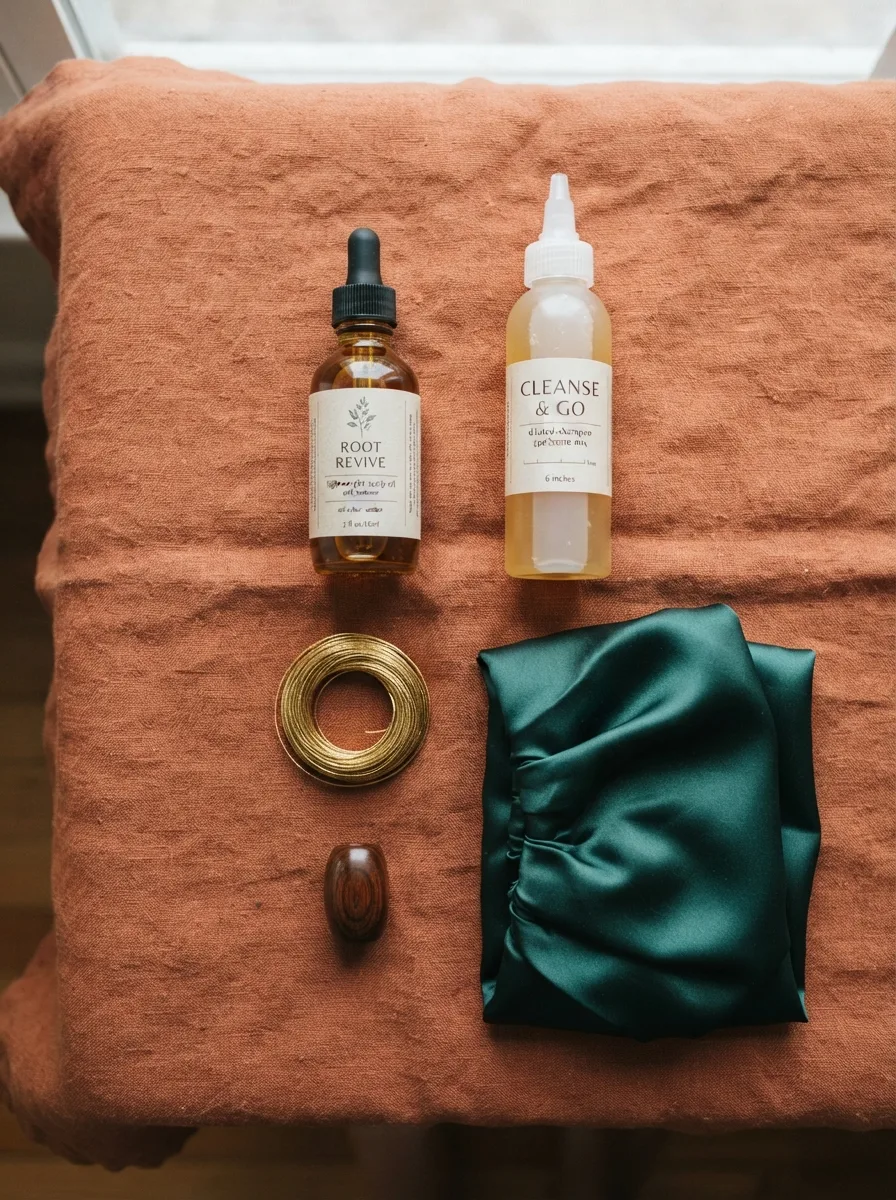
A well-stocked accent kit — a few wood beads, a couple of thin gold cuffs, a spool of gold or copper thread — covers most of what you’d actually want to add yourself between salon visits.
The accent kit that turns a plain twist install into a boho one — gold thread, wood beads, and a cuff or two is usually enough.
Color, Length, and How Twists Photograph
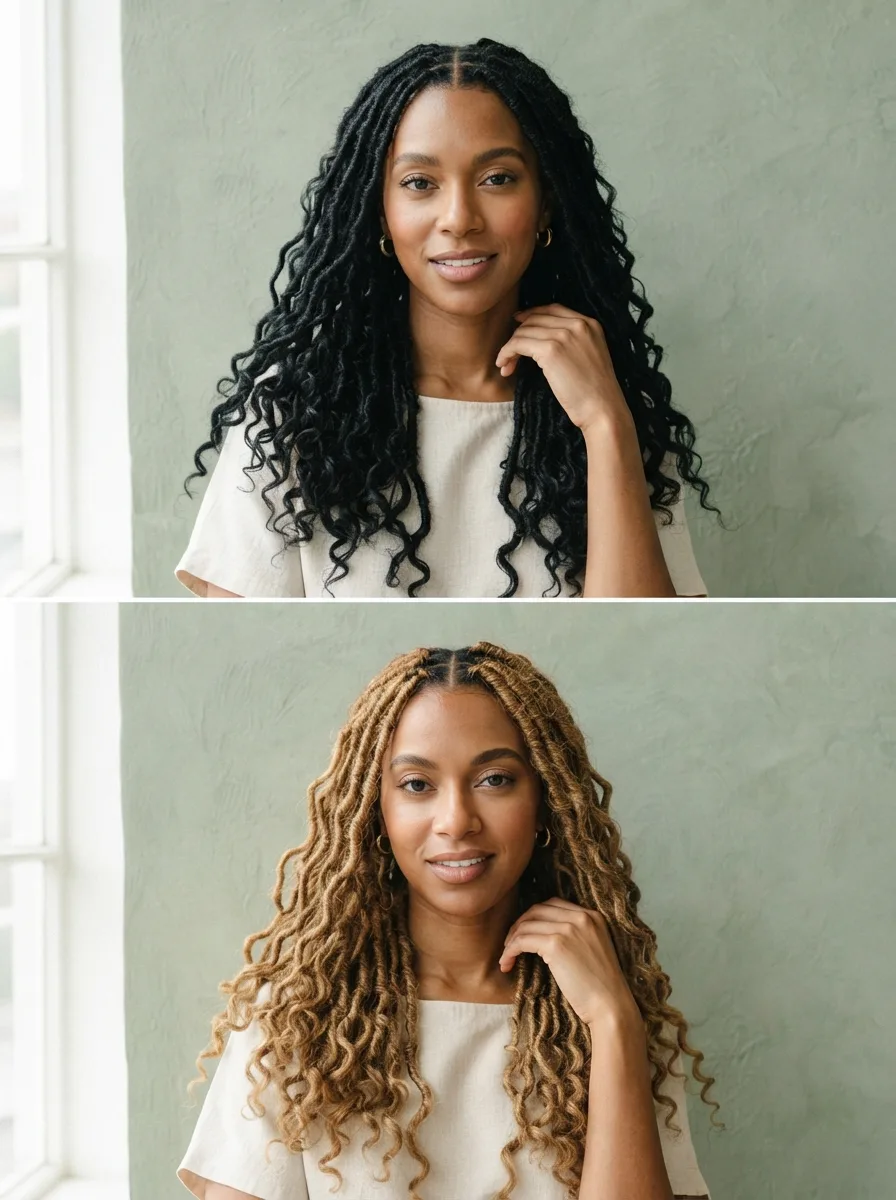
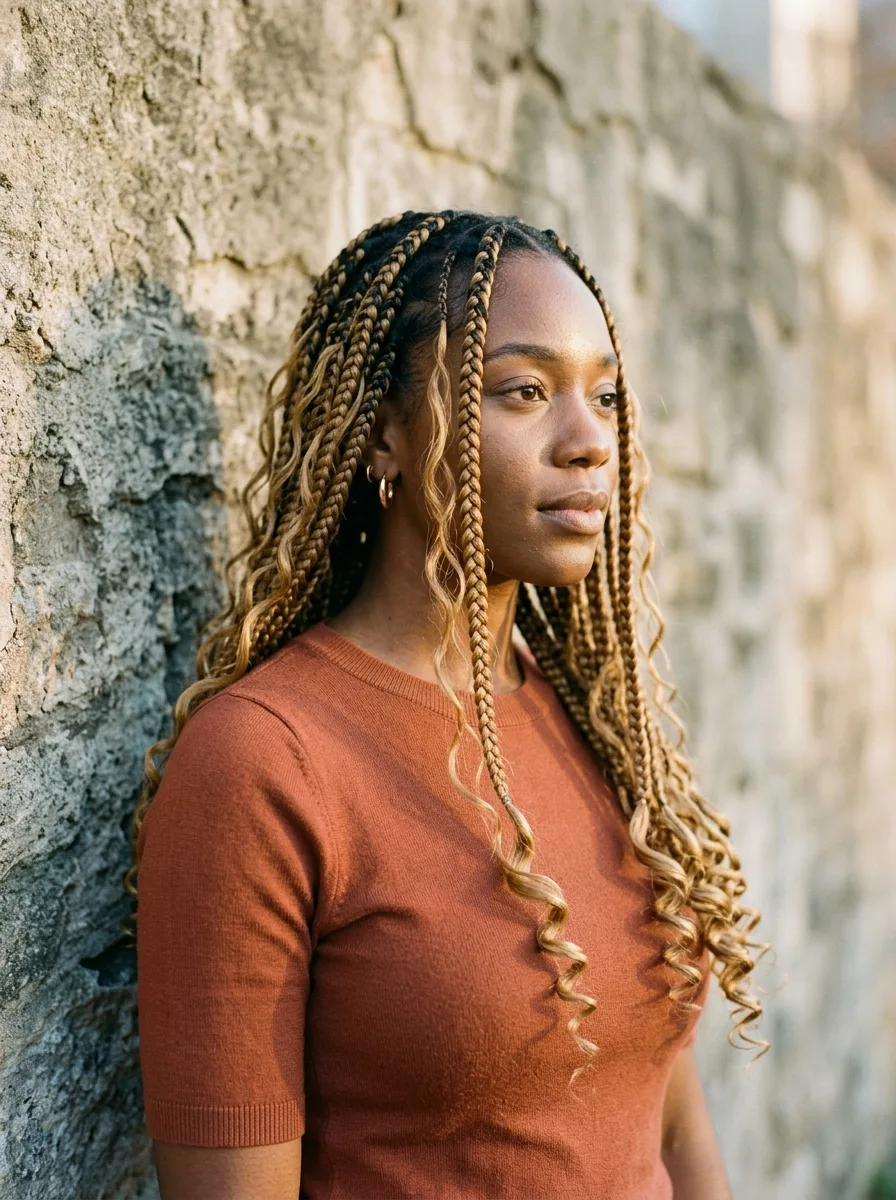
Color shifts the whole mood of a set the same way it does with braids and locs — deeper brunette twists read more grounded and everyday, while honey-blonde or caramel twists catch more light and movement, especially outdoors.
Color changes the whole mood of a twist set — deep brunette reads more grounded, honey-blonde catches more light and movement.
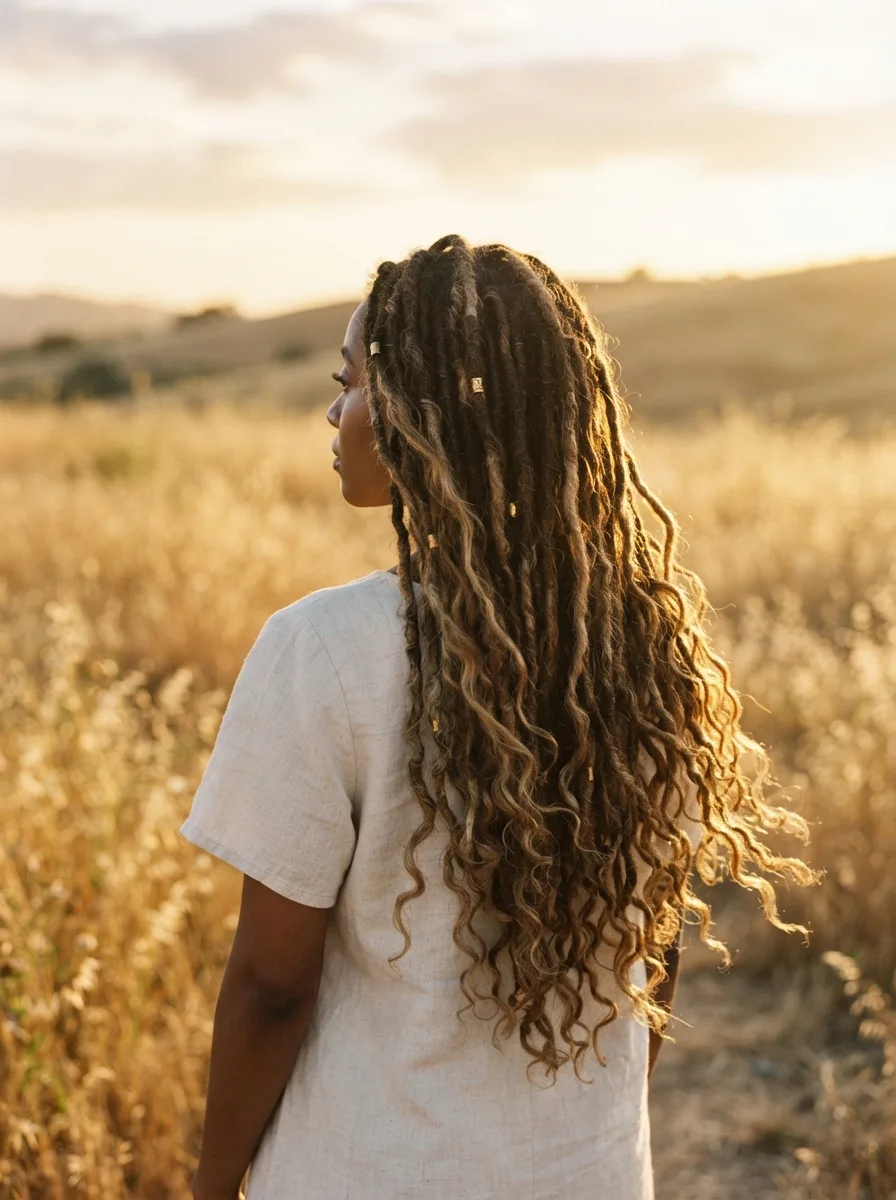
Longer, island-twist-length sets are where boho twists show off best outdoors — there’s enough length and weight for the strands to move and catch backlight the way shorter sets can’t.
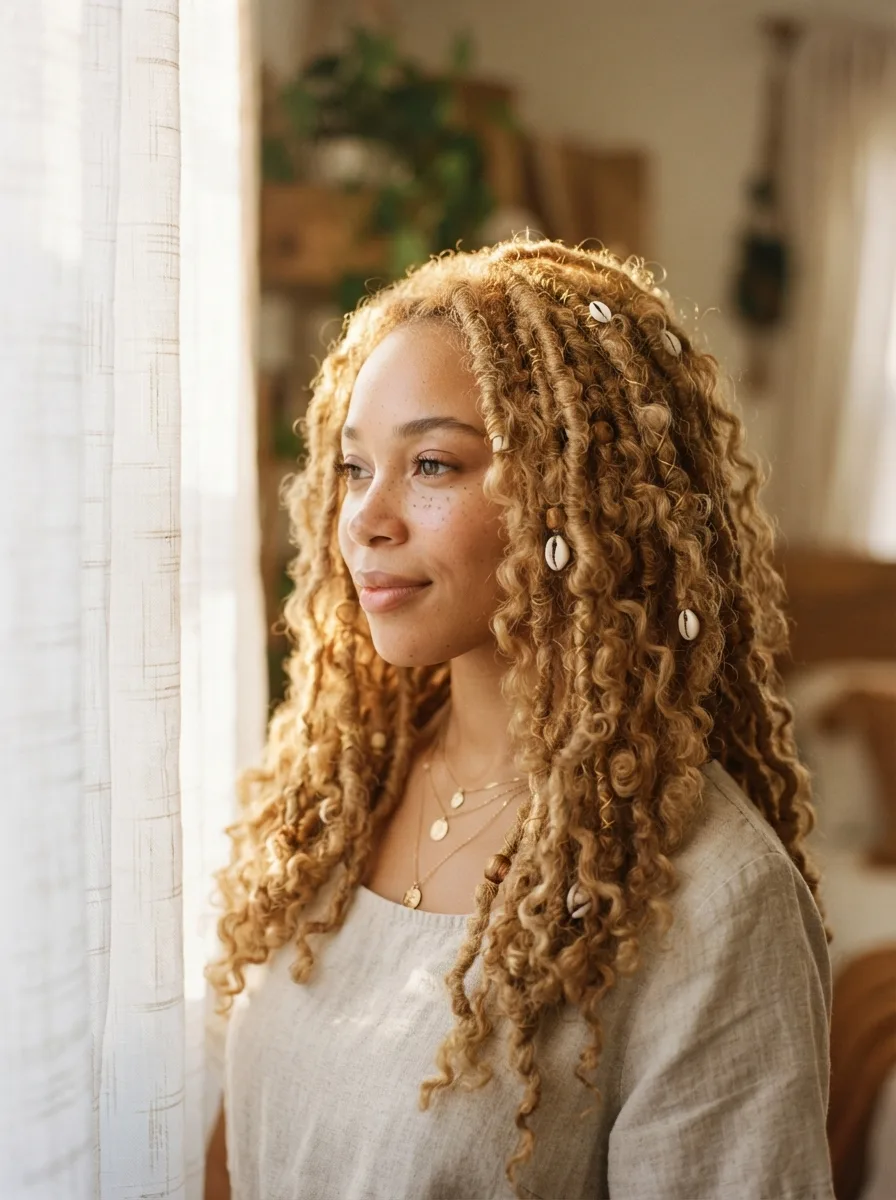
Long island twists were made for catching golden-hour backlight — the same appeal that makes them a Pinterest favorite.
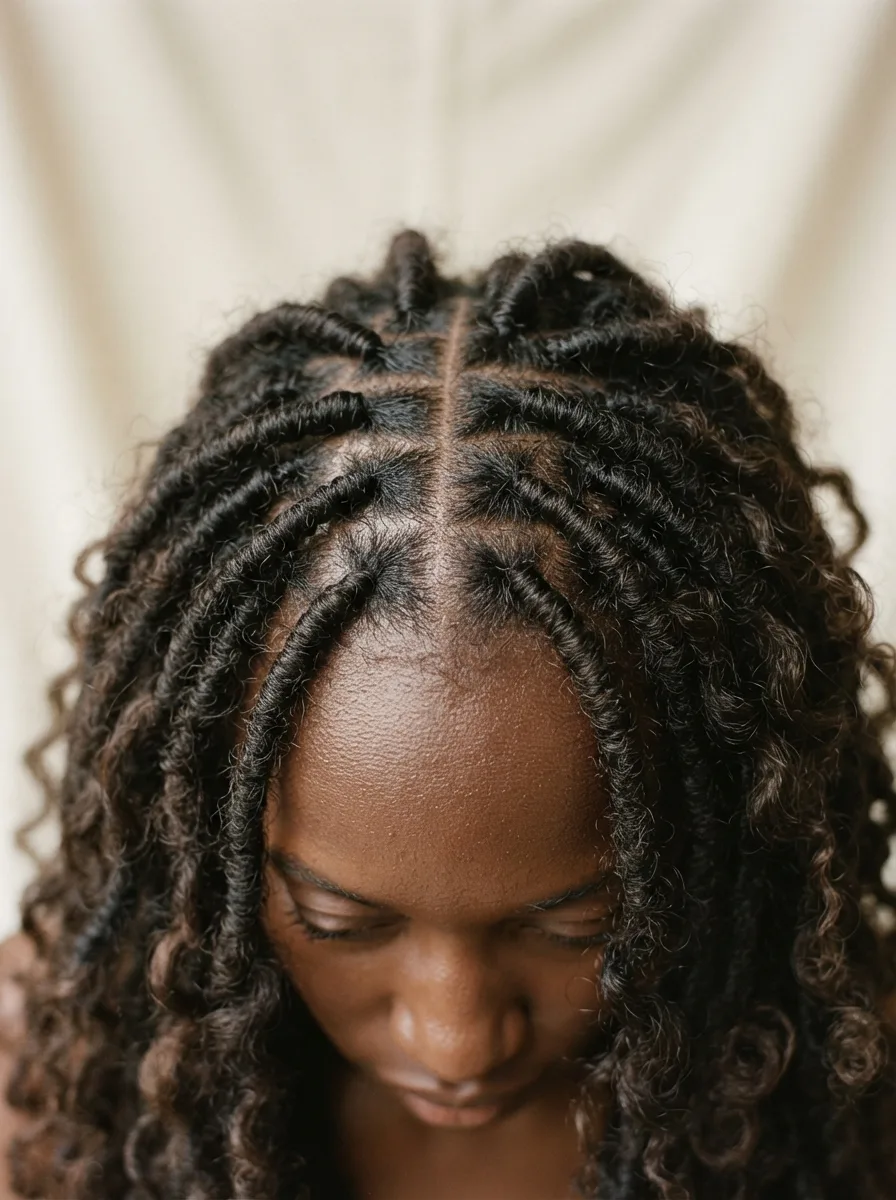
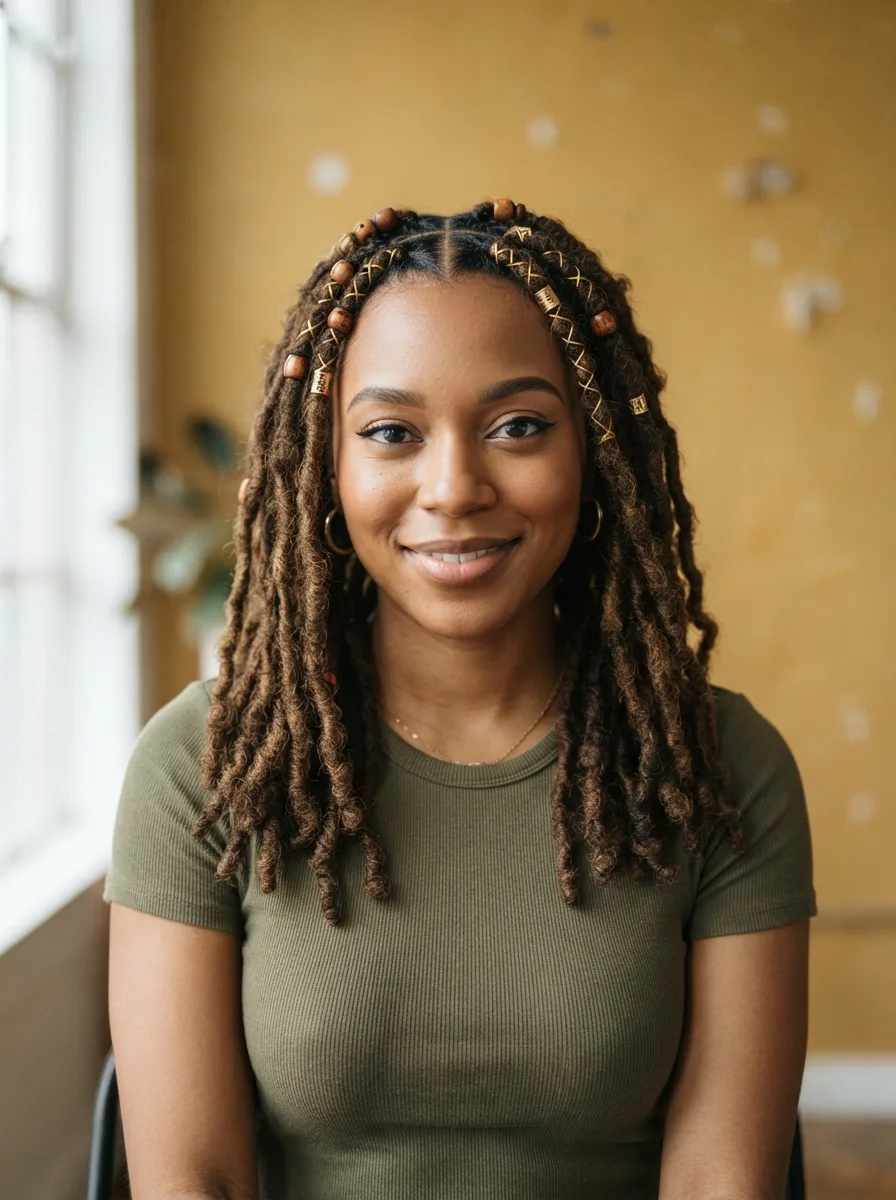
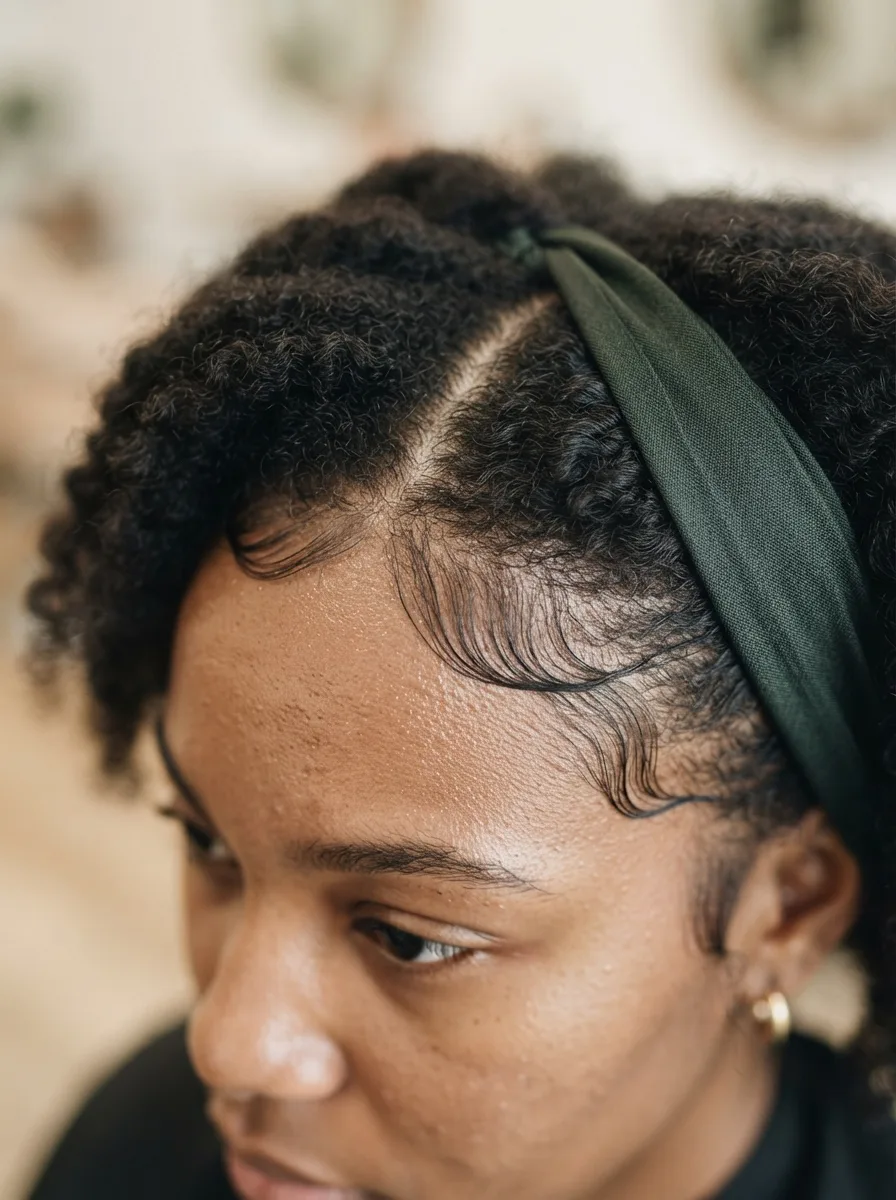
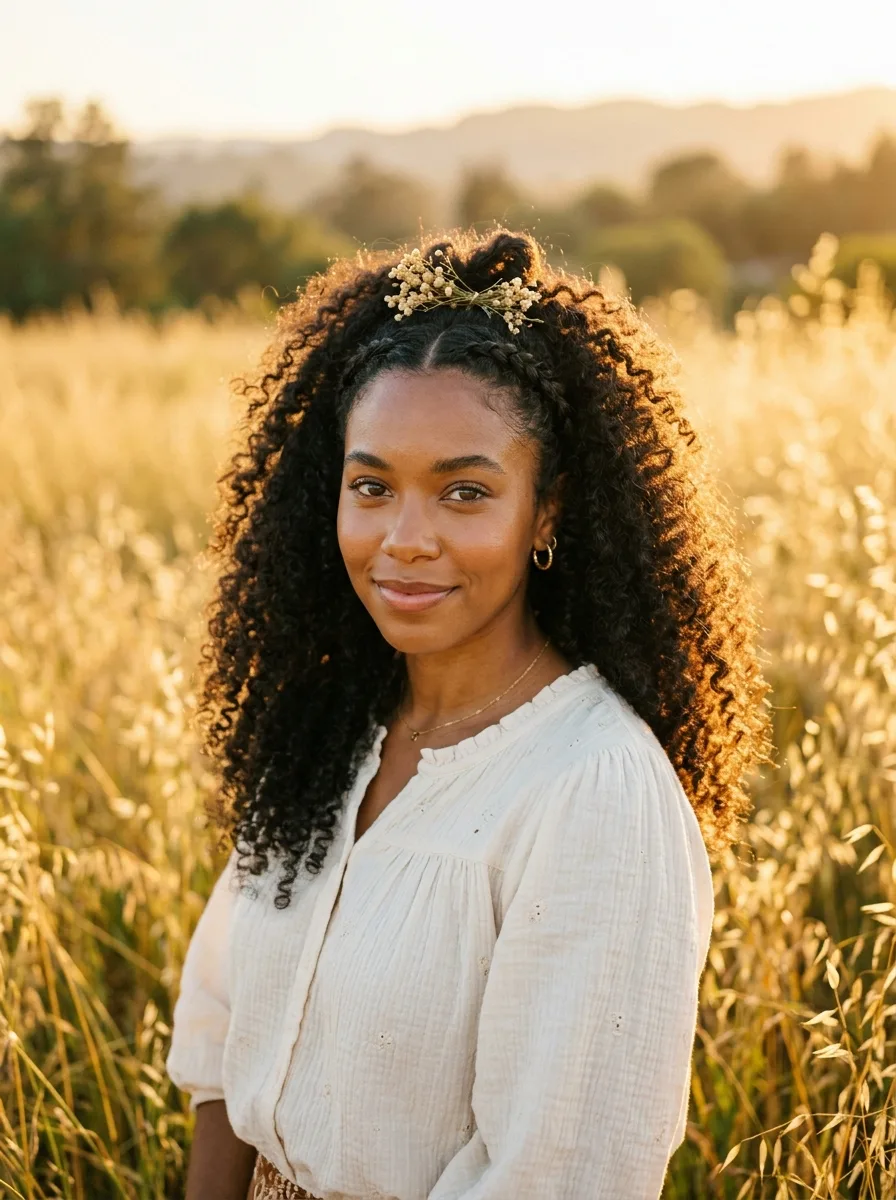
A softly undone part at the hairline, rather than a rigid grid, is what pushes the finished look toward boho rather than a more structured, polished twist-out.
A soft, slightly undone part at the hairline is what makes boho twists read as effortless rather than severe.
Caring for Boho Twists
Scalp care matters most in the first week, while the twist settles into place — a light oil at the root every 2-3 days, and a satin bonnet or pillowcase from night one, since twists are just as prone to friction frizz as braids or locs without one.
The scalp-first routine that keeps boho twists smelling fresh and holding shape between washes.
Most sets hold cleanly for 4-6 weeks. Watch for the twist unraveling at the root, rather than counting weeks, as the real cue for a refresh — new growth alone doesn’t mean it’s time, but a loosening base does.
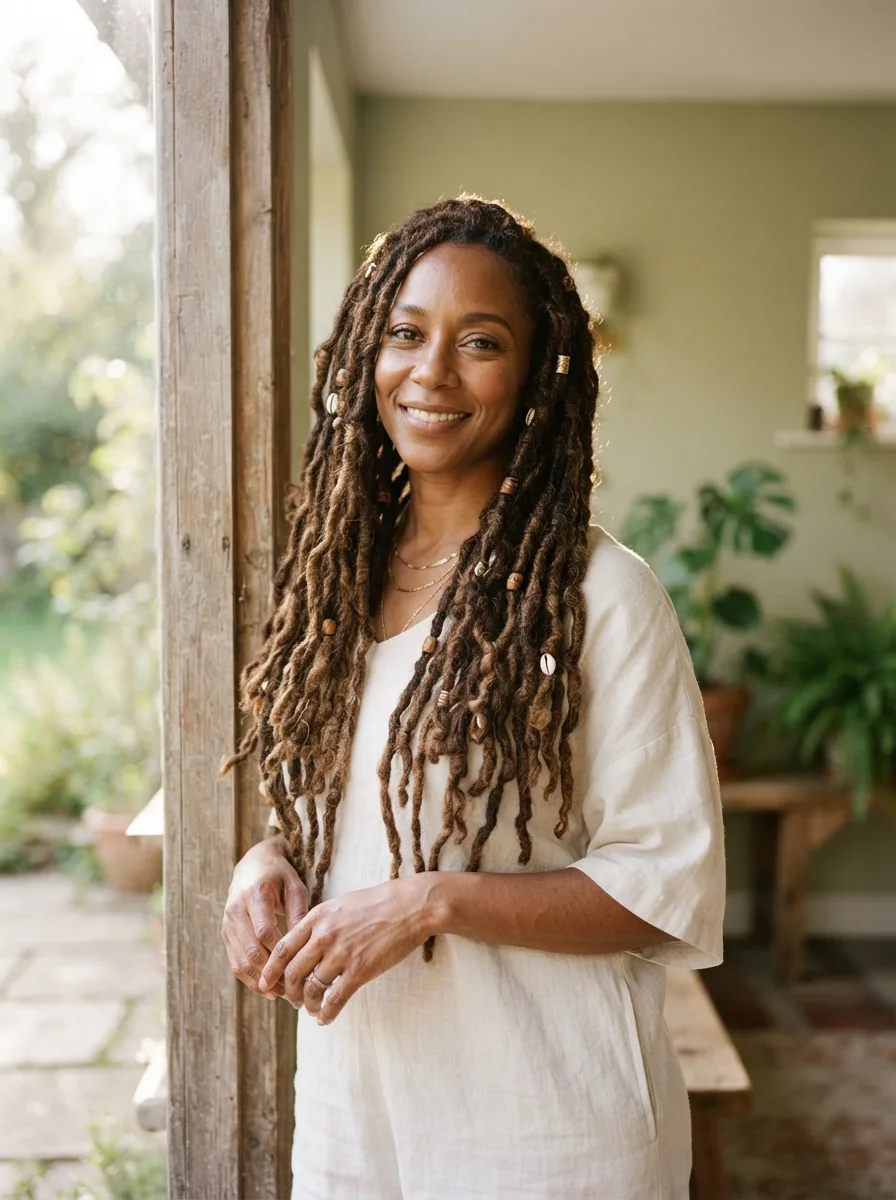
Boho twists pair naturally with the same loose, natural-fiber wardrobe as the rest of the aesthetic.
If you’re weighing twists against the closely related boho locs style before booking, our boho locs guide breaks down the wrapping technique, cost, and maintenance schedule for that variation, so you can compare both side by side before deciding which texture suits you better.
Frequently Asked Questions
What's the difference between boho twists and passion twists?
Passion twists are defined by the hair used: a wavy, water-wave style extension hair that gives a soft, textured twist. Boho twists are defined by the finish: loose curly pieces pulled out along the length, curly ends, and accents like gold thread or shells. You can have passion twists that aren't boho, and boho twists built on passion, spring, or island twist hair.
Most sets hold cleanly for 4-6 weeks, similar to braids and slightly shorter than locs, since a two-strand twist has less hold at the root than a wrapped loc base. The loose curly pieces usually need refreshing before the twists themselves loosen. Take them down when twists start unraveling at the root, not just when new growth shows.
What hair do you use for boho twists?
Most stylists use 4-6 packs of twist hair (passion, water-wave, or spring twist hair) for the twists themselves, plus 2-3 packs or bundles of curly hair for the loose boho pieces. Human-hair curls cost more but tangle less and can be re-curled with water; synthetic curls are cheaper but tend to mat by week three or four.
Are boho twists the same as boho locs?
No, and the difference matters for takedown and long-term hair health. Twists use a simple two-strand wrap with no locking mechanism, so they unravel cleanly by hand whenever you're ready to take them out. Locs, even the faux 'boho locs' style, use a wrapping or crochet technique specifically meant to mimic locked hair, and while boho locs are still temporary and removable, they typically take longer to install and remove than twists do.
Neither is better, they suit different priorities. Twists are usually faster to install, lighter, and easy to take down by hand; knotless braids hold their shape a little longer (often 5-7 weeks) and give a flatter, more defined look. If you want maximum longevity, go braids; if you want speed and a rounder, softer texture, go twists.
Done with reasonable tension, twists are protective rather than damaging. A two-strand twist puts less continuous tension on the scalp than a braid, but very thin, tightly wound twists on fine hair can still strain the edges over a full cycle. Sizing up slightly, keeping wear under about eight weeks, and resting your scalp between installs are the simplest safeguards.