Bohemian Fashion Brands: How to Choose Ones Worth Buying
How to choose bohemian fashion brands worth buying: natural fabrics, real handwork, construction, sizing, sourcing, price tiers, red flags and a checklist.
Search for bohemian fashion brands and you’ll get dozens of lists, most of them full of labels that change fabrics, prices, owners or quality from one season to the next. A list ages fast. Knowing how to judge a boho brand doesn’t. This guide skips the rankings and gives you the criteria instead: what separates boho fashion brands worth buying from the ones selling a printed imitation of the look.
It covers the five things good brands get right, what you can expect at each price tier, when vintage beats new, the red flags to watch for, and a checklist you can run on any brand in a few minutes. If you’re still deciding which pieces you need, start with our guide to boho style or our breakdown of the core boho clothing pieces, then come back here before you shop.
What Separates Good Bohemian Fashion Brands
Natural fabrics
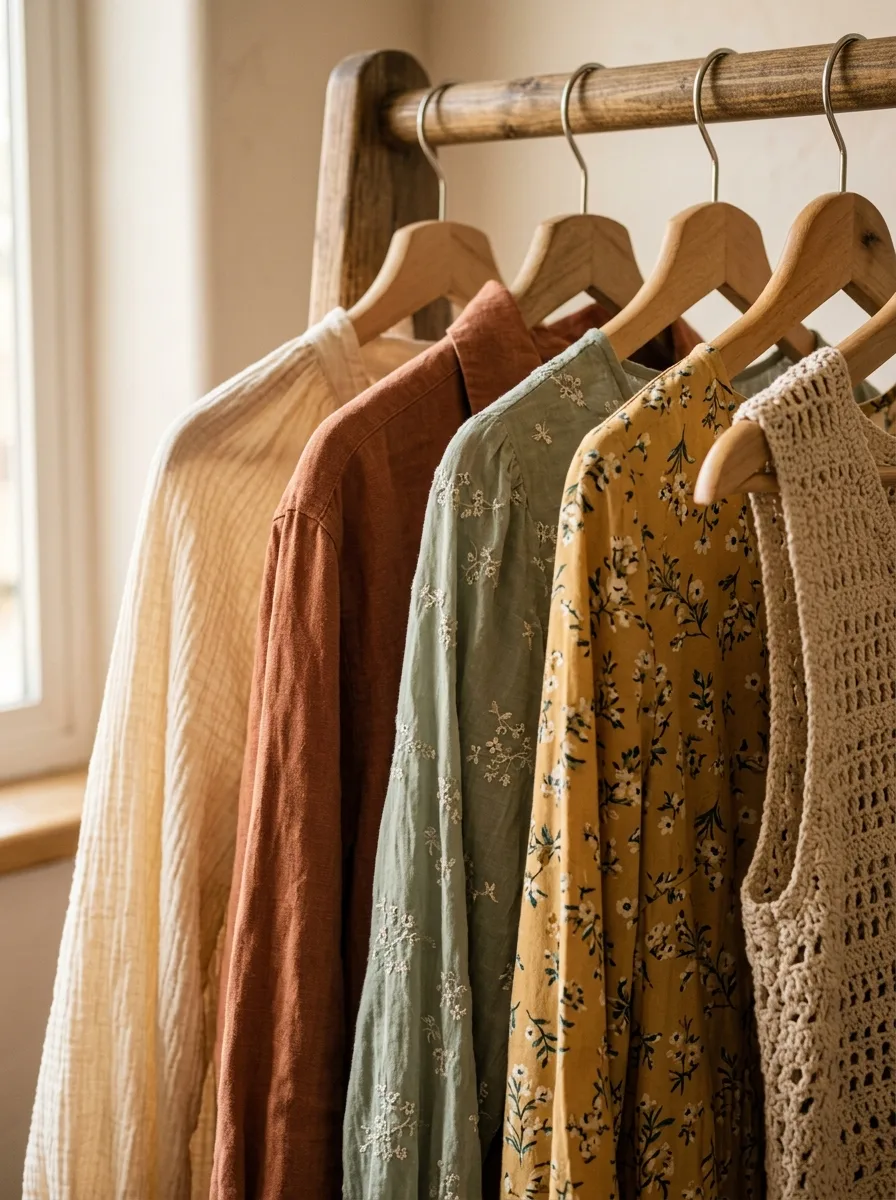
Boho is a fabric-led style. Cotton gauze, linen, cotton voile, rayon challis, silk, real suede and cotton crochet are what give the look its drape, breathability and lived-in softness. A good brand lists exact fiber content on every product page. A brand that hides it, or leans on vague terms like “linen-look” or “cotton-feel”, is usually selling polyester.
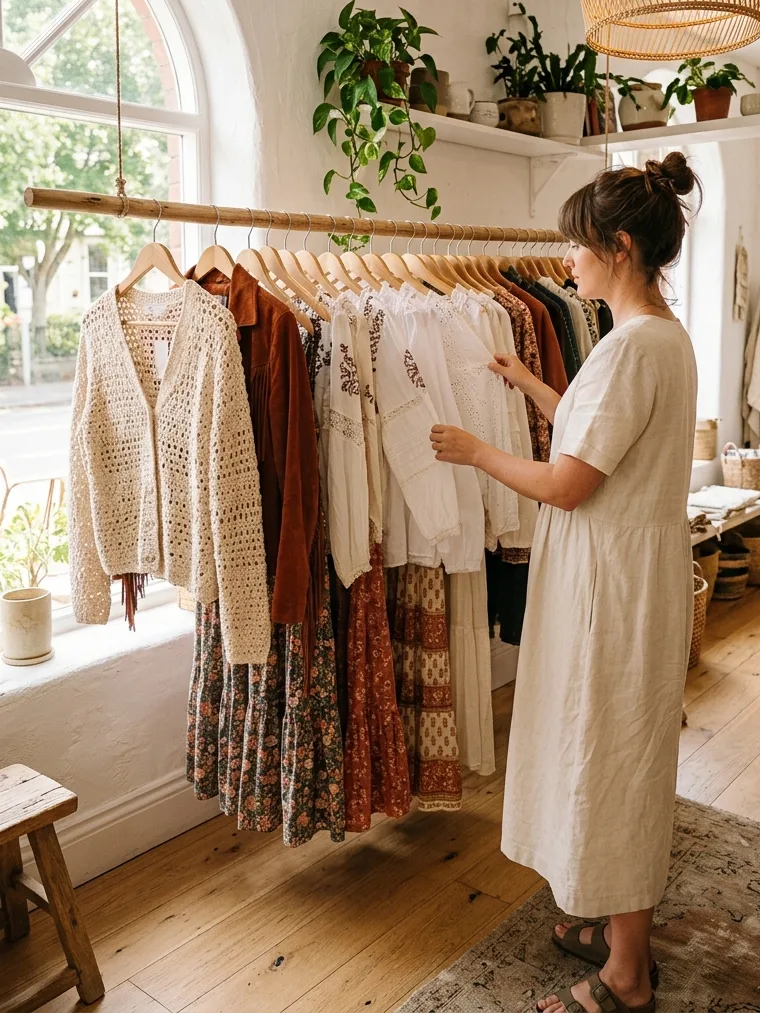
Run your hand along the rail. Gauze, linen and cotton voile are the fabrics that define boho brands; polyester chiffon is the shortcut.
Real handwork, not printed imitation
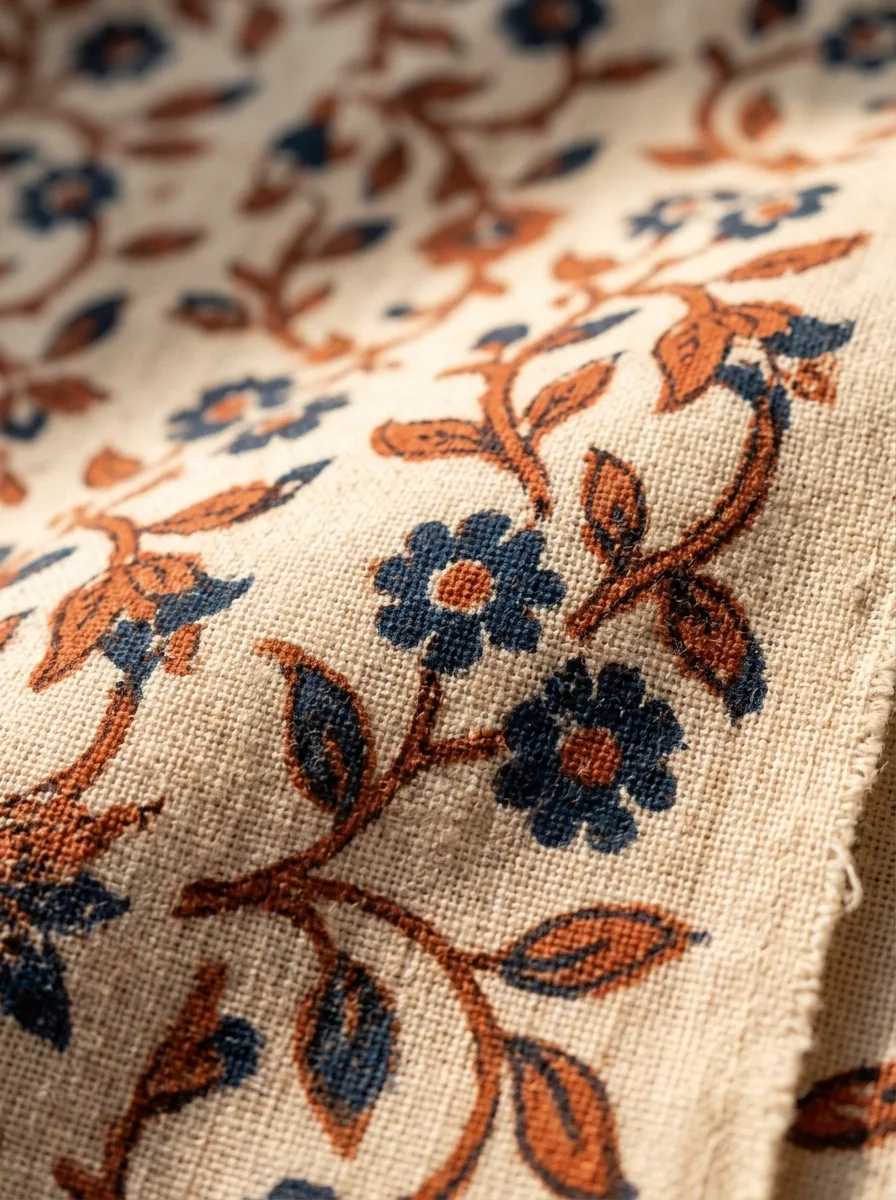
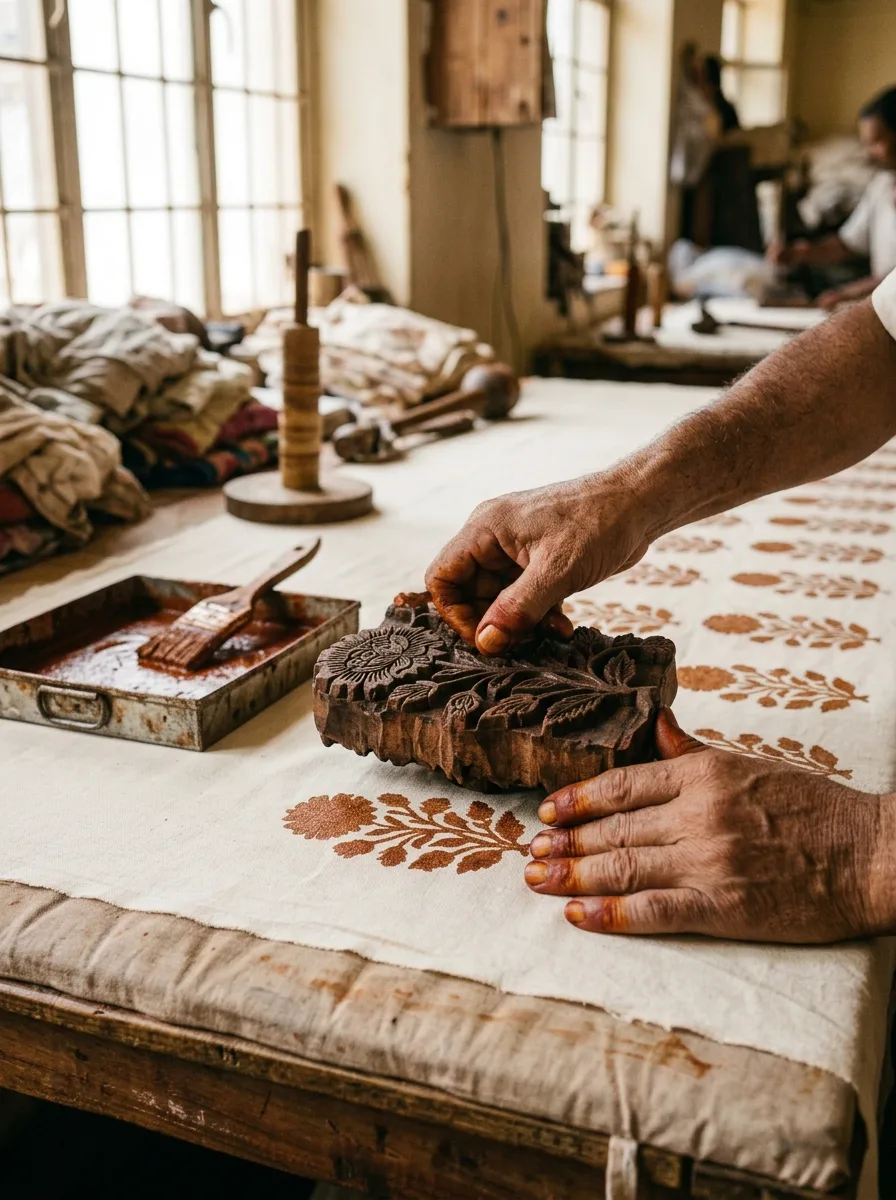
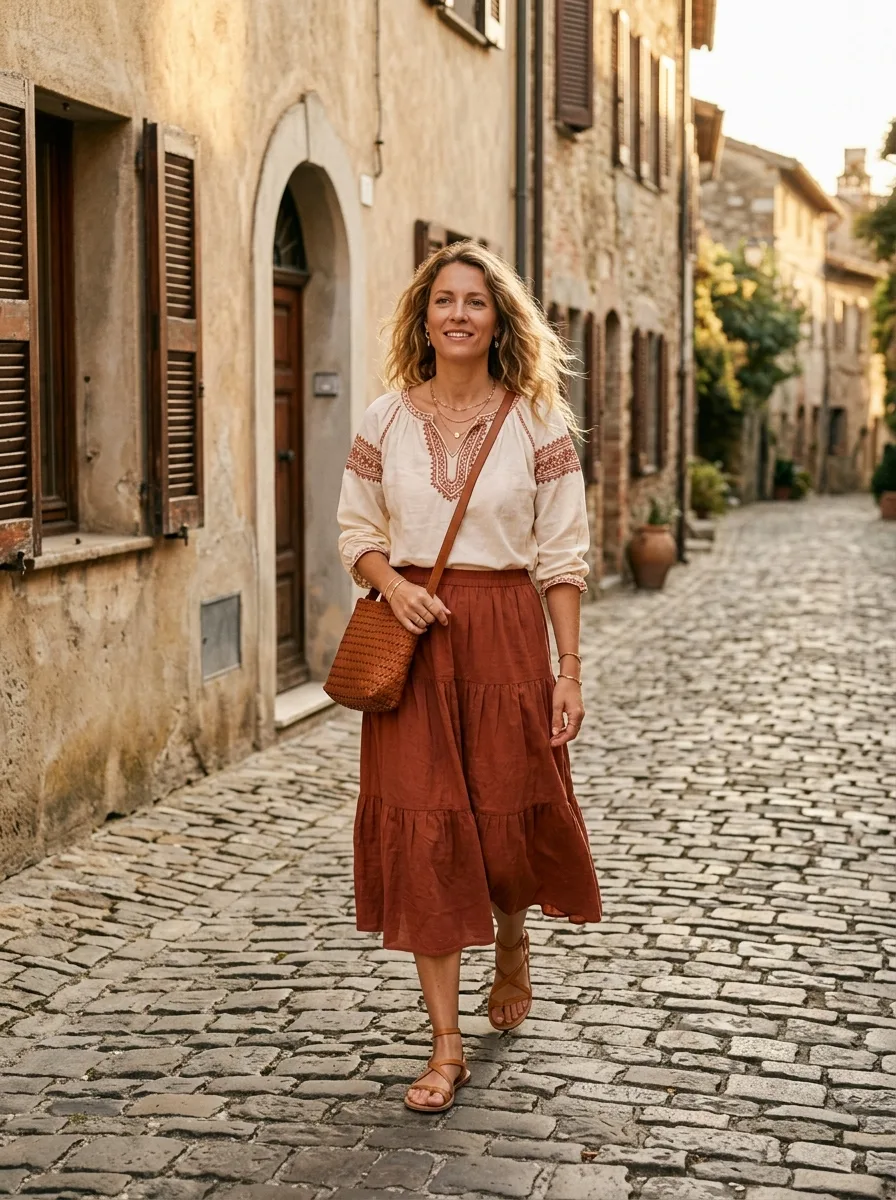
Embroidery, block printing and crochet are the details that make boho clothing worth paying for, and they’re also the easiest to fake. Real embroidery has raised thread and shows stitches on the reverse. Hand block printing has small misalignments and variations in ink where the block was pressed by hand. Hand crochet has slight irregularities in tension. Printed “embroidery” and machine-knit “crochet-look” fabric are flat and perfectly uniform.
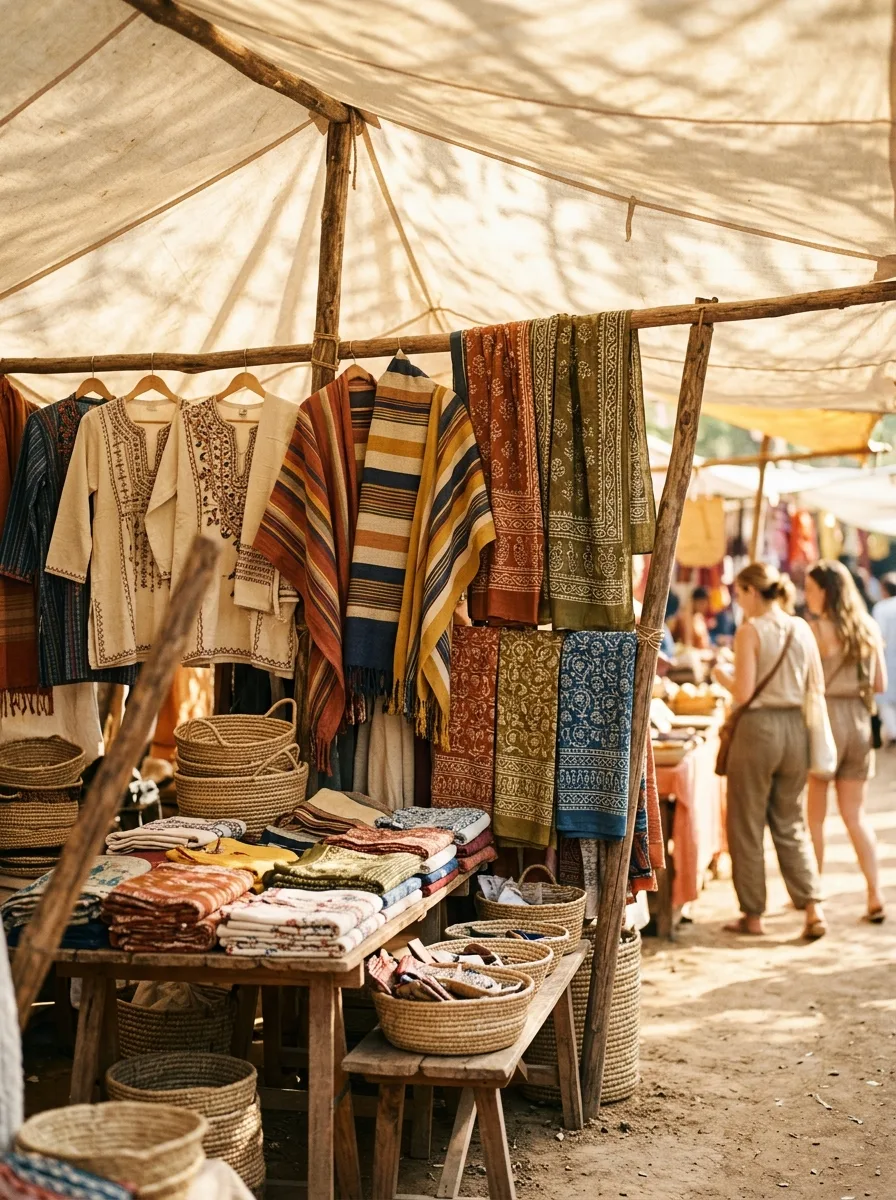
Slight misalignments in the print are the giveaway for hand-block printing, and the reason a well-made blouse costs more.
Construction you can check
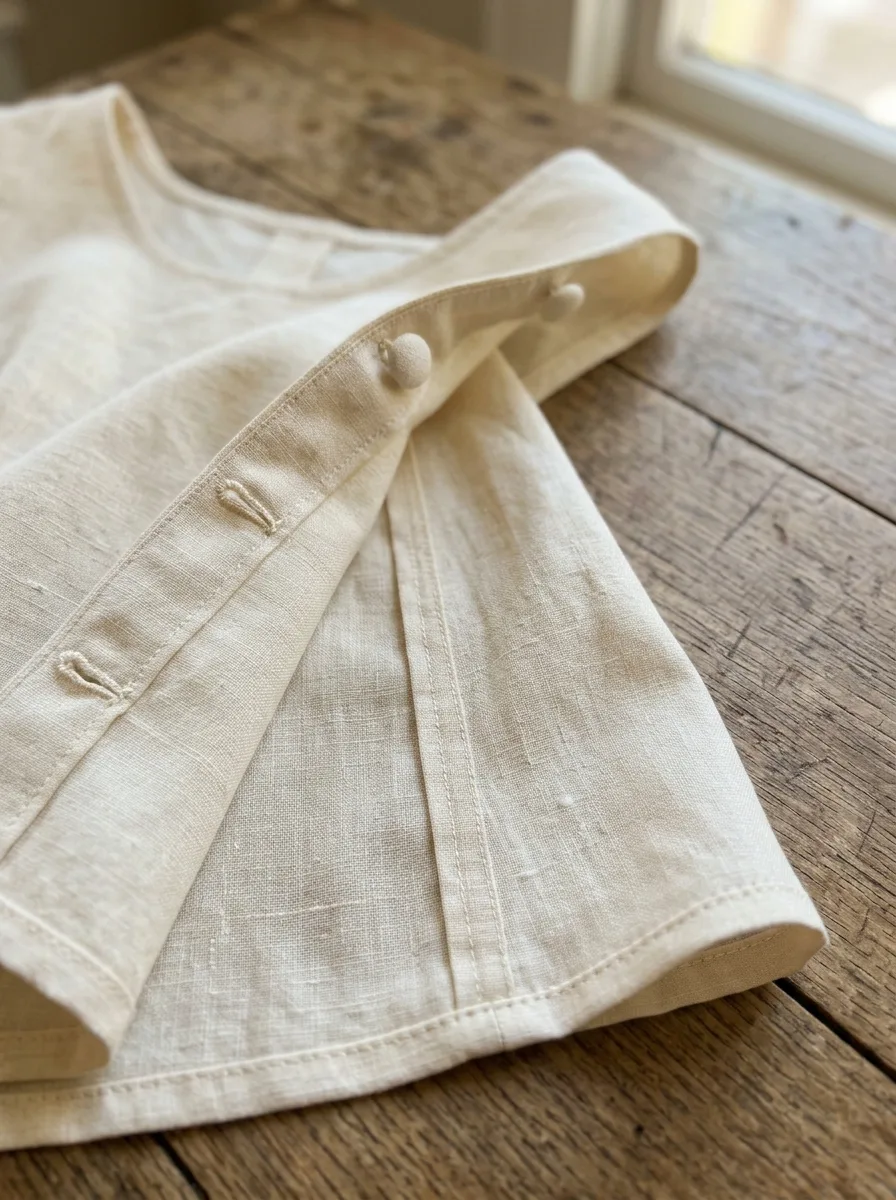
Turn a garment inside out. Seams should be enclosed or neatly finished, not fraying. Hems should be even and stitched cleanly. Light-colored gauze skirts should be lined or come with a slip. Buttons should be sewn on securely, and details like covered buttons and worked buttonholes are a sign that someone cared. Online, look for close-up photos of these details; good brands show them.
Look closely before you buy. Covered buttons, worked buttonholes and even hems tell you more about a brand than its marketing does.
Sizing range and fit information
Boho cuts are loose, which makes sizing more variable, not less. A good brand publishes actual garment measurements (bust, waist, length), not just body sizes, offers a genuine range of sizes, and notes how each piece is meant to fit. “One size fits most” on a fitted bodice is a warning sign.
Customer photos and reviews are worth more than studio shots here. Look for comments on whether a tiered skirt hits the ankle or drags, whether sleeves are generous or tight at the upper arm, and whether gauze is see-through. Patterns in those comments tell you how a brand’s sizing actually runs.
Transparency about makers and sourcing
The brands worth supporting tell you specifically who makes their clothes and how: the region or workshop, the printing or embroidery technique, and ideally the people. Specific is the key word. “Ethically made” on its own means nothing. A named workshop, a described process or a third-party certification you can look up yourself means something.
A brand that names its makers and its printing method is telling you something. A brand that only shows models usually isn't.
Boho Fashion Brand Price Tiers: What You Get at Each
Almost every boho label sells the same core formula: an embroidered blouse, a tiered skirt, a printed maxi dress. What changes as the price goes up is fabric, handwork and finishing. The ranges below are typical US prices for a new top or skirt and are rough guides only; dresses and jackets run higher.
Real ’70s suede and corduroy, older well-made pieces
Condition, inconsistent vintage sizing
The jump from fast fashion to mid-range is where quality improves most for the money. At the top end, you’re paying for genuinely better materials, like silk instead of rayon and real suede instead of faux, but also for the label.
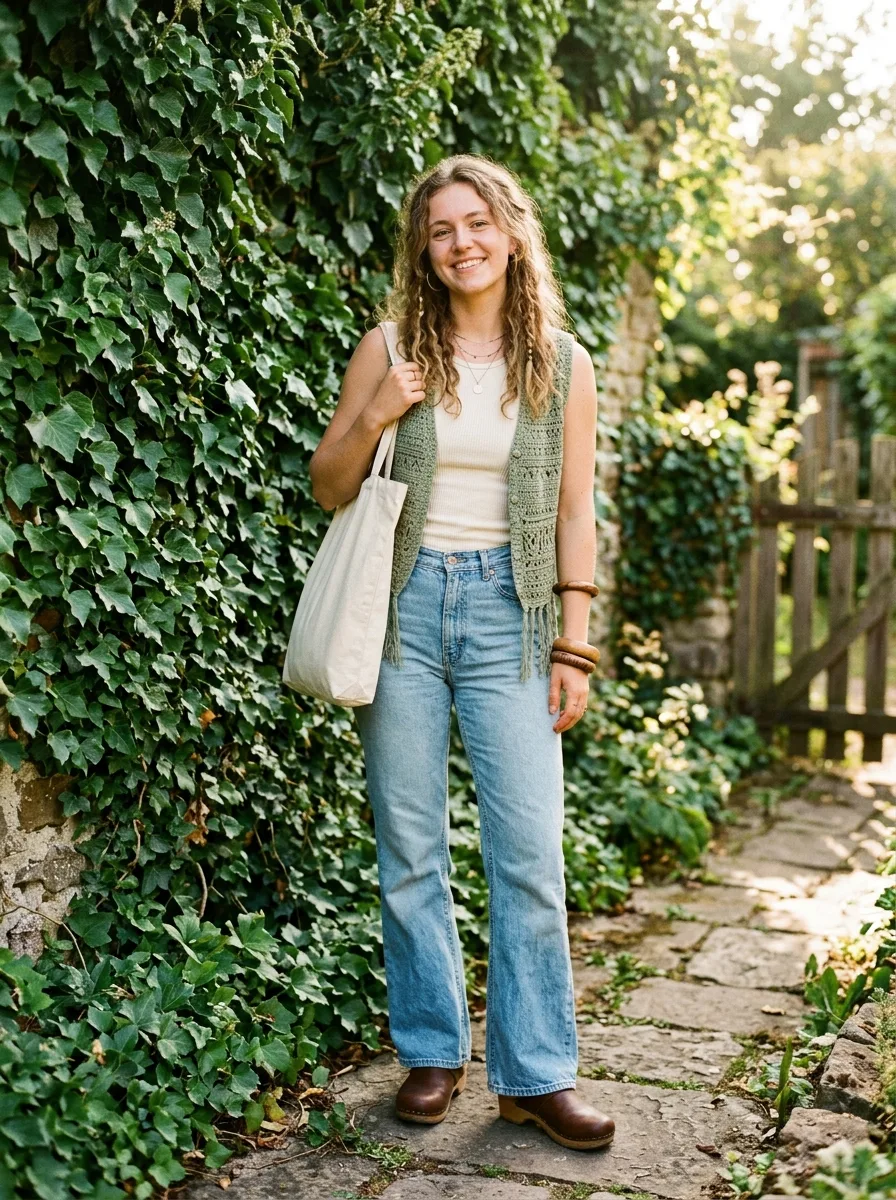
Boho on a budget: thrift the denim and the crochet, and save brand money for the one piece you'll wear weekly.
Vintage, Resale and Artisan Markets
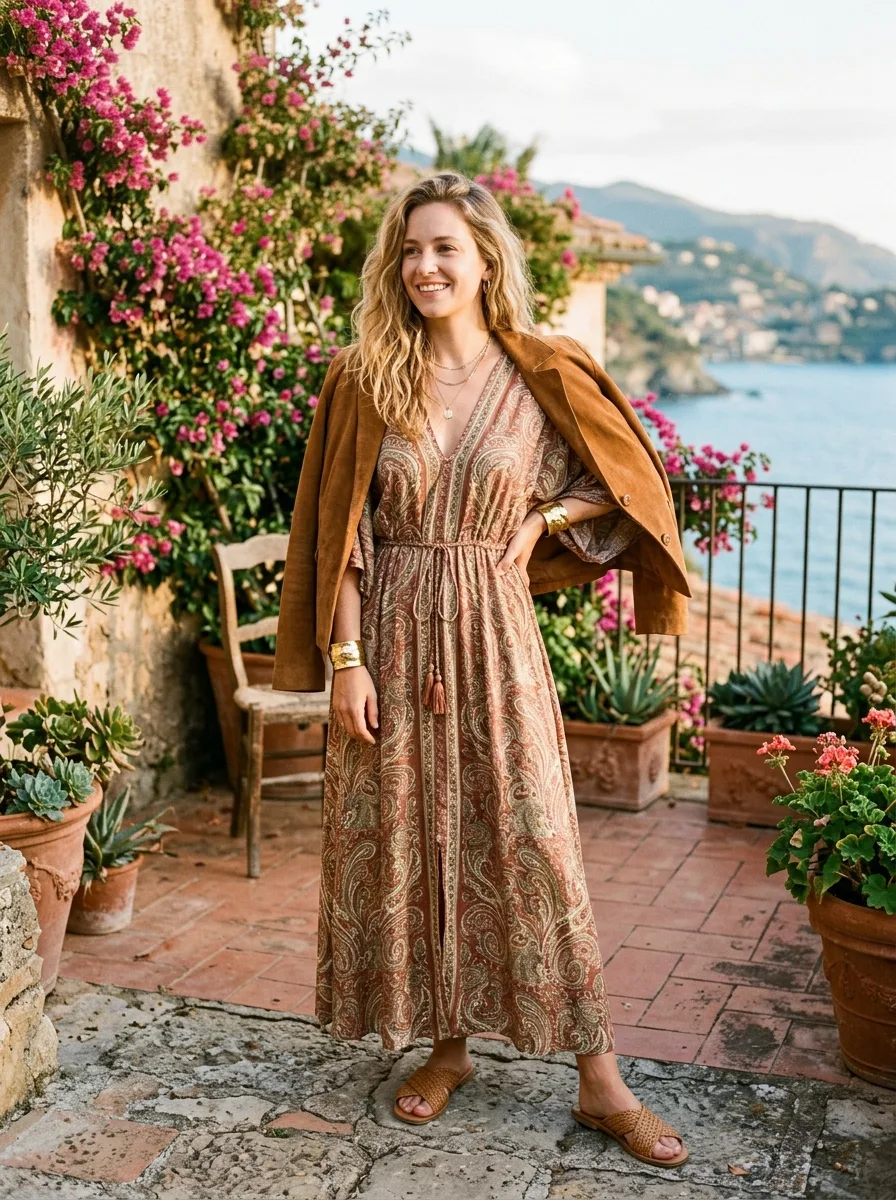
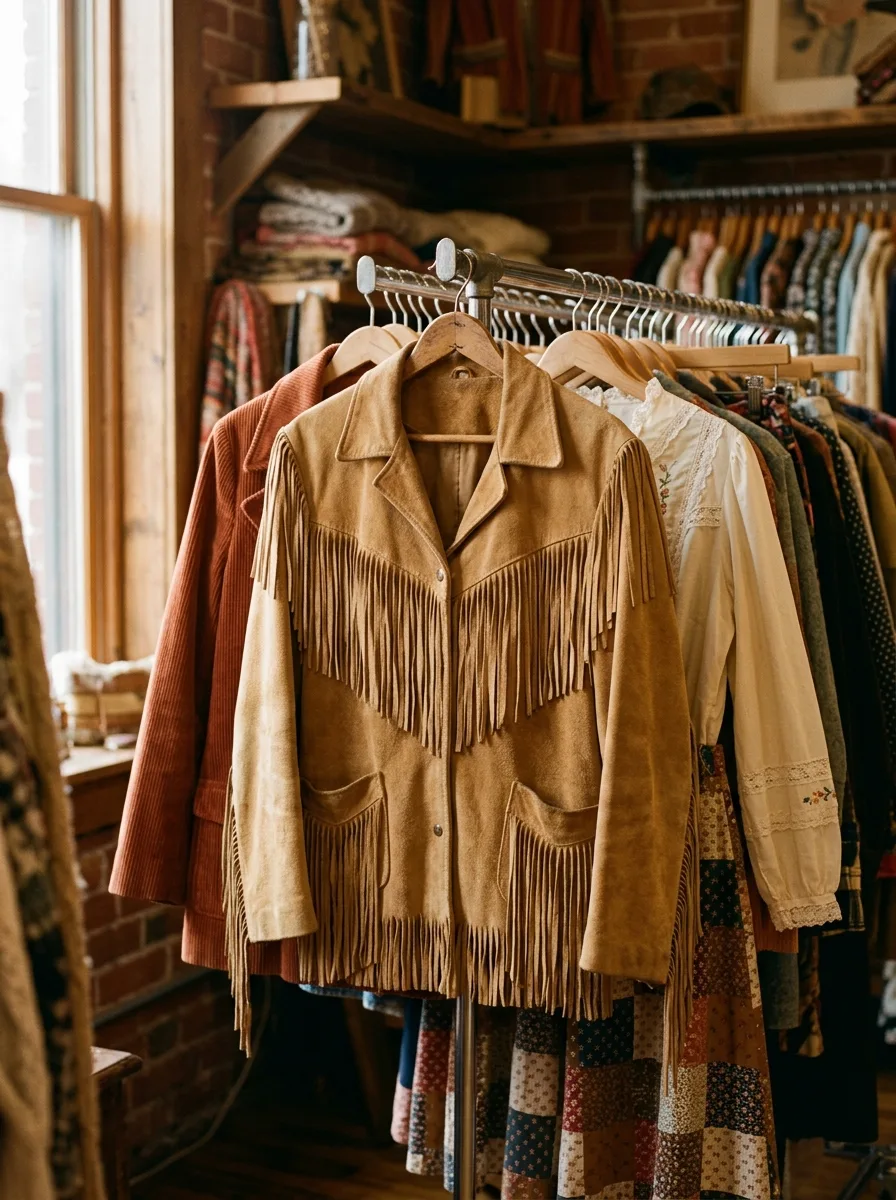
The most authentic boho clothing often has no current brand at all. Secondhand shops and resale sites are full of suede jackets, corduroy, prairie blouses and printed skirts from earlier boho eras, often in better fabric than today’s budget options. A suede jacket that costs $150 or more new can turn up for $20-$40 secondhand in good condition.
Check vintage the same way you’d check a new brand, just more closely: look at the underarms and collar of suede for stiffness or staining, make sure fringe is intact, hold embroidered cotton up to the light for thin spots, and measure the garment rather than trusting the size label, since vintage sizing rarely matches today’s.
Vintage is the original boho brand. Real 70s suede and corduroy often outlast anything new at the same price.
Artisan markets, at home or when traveling, are the other brand-free option. Buying an embroidered tunic or a block-printed scarf directly from the person who made it is the clearest possible answer to “who made this?”, and the money goes to the maker rather than a middleman.
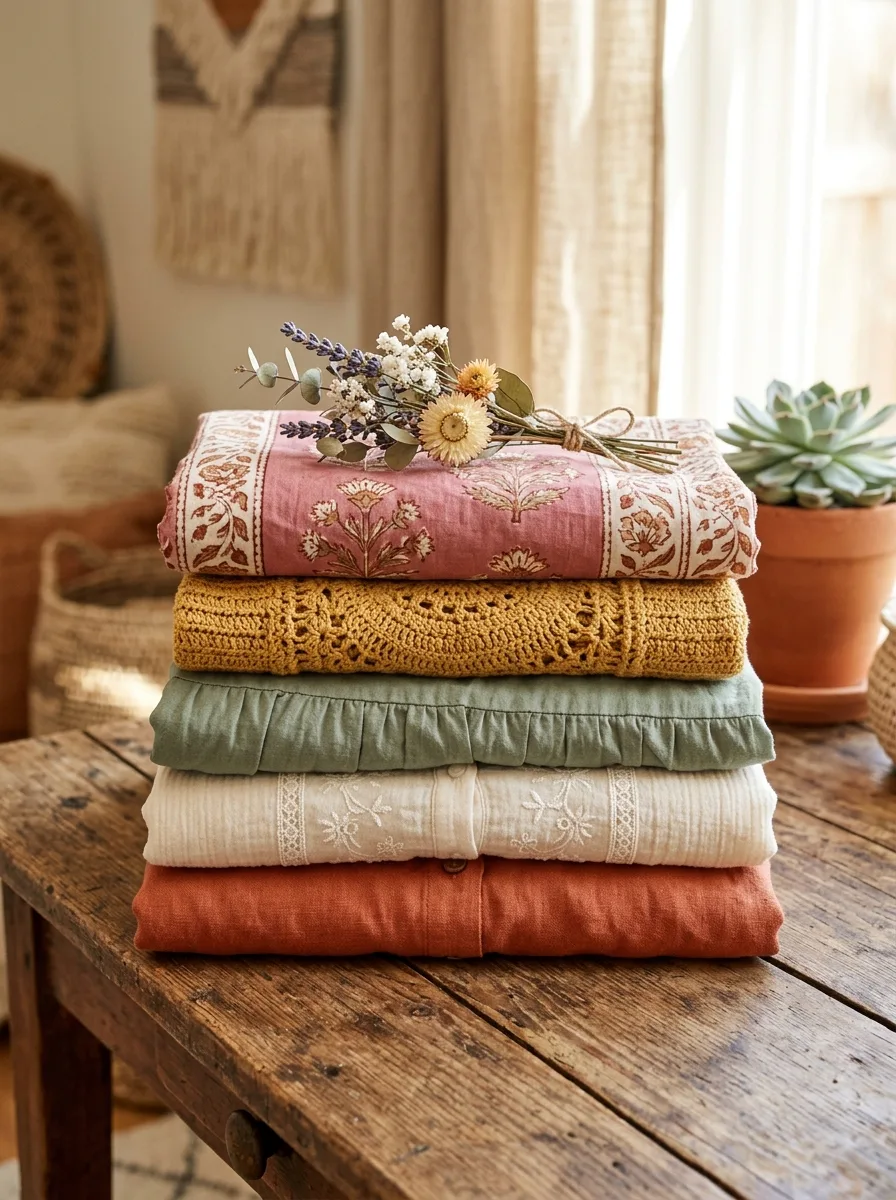
Five pieces from one good brand will outwear fifteen from a fast-fashion boho drop, and they'll still fold this neatly in five years.
How to Evaluate Any Boho Brand Yourself
Run through this checklist on any brand’s website before you buy. It takes a few minutes and works whether the label is brand new or decades old.
Check
Where to look
Good sign
Red flag
Fiber content
Product page, care label
100% cotton, linen, silk, real suede, named blends
“Linen-look”, mostly polyester, not listed
Handwork
Description, close-up photos
Technique named (hand block print, hand embroidery), small irregularities
“Embroidered-look”, identical machine repeats
Construction
Detail photos, inside seams in person
Finished seams, even hems, lined light skirts
Fraying edges, unlined sheer pieces
Sizing
Size chart, fit notes
Garment measurements, wide range, fit described
S-M-L only, no measurements
Makers and sourcing
About or sustainability page
Named workshops, regions and processes, verifiable certifications
Vague promises, no specifics
Returns
Policy page
Easy exchanges, reasonable return window
Final sale, costly return shipping
Longevity
Resale listings of older pieces
Used pieces still look good and resell
Nothing resells, pilling in used photos
Build the outfit you want before you build a cart. Most boho brands do one or two things really well, maybe dresses or embroidered blouses, and rarely everything. It’s normal to buy boho dresses from one label, a skirt from another and jewelry from a market stall; our boho jewelry guide explains why mixed sources look better anyway.
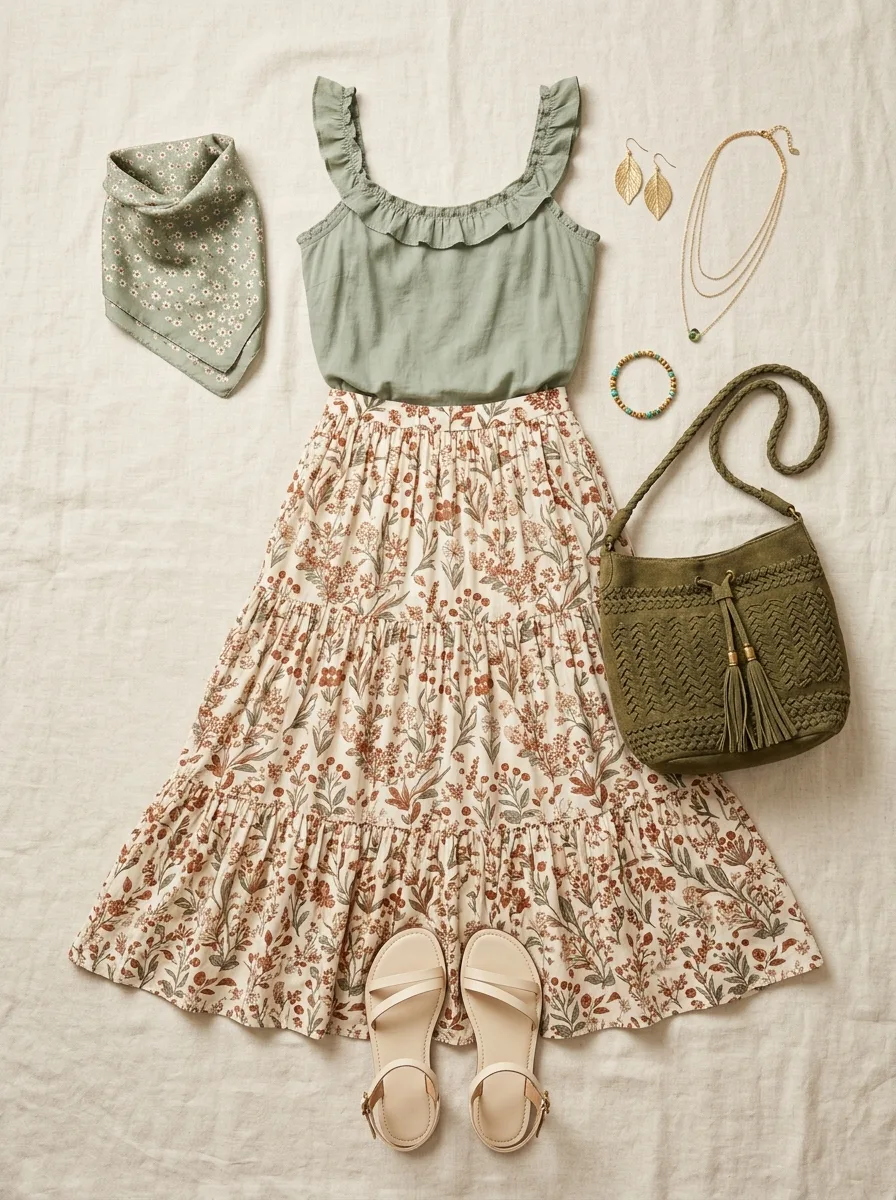
Build the outfit before you build the cart. Most boho brands do one or two of these pieces well, rarely all of them.
Finally, treat your first order from any new brand as a fitting. Loose cuts vary a lot from label to label, so buy one piece, check the fabric and fit in person, and only then go back for more.
Check the return policy before checkout. Boho sizing runs loose and varies a lot between brands, so the first order is a fitting.
The best boho brand for you is the one whose clothes you’re still wearing in five years. Natural fabric, real handwork, honest construction and a maker you can name will get you there more reliably than any list.
Frequently Asked Questions
What makes a boho clothing brand good quality?
Natural fabrics like cotton gauze, linen, silk and real suede, real embroidery or hand block printing rather than printed imitations, and clean construction with finished seams and hems. Good brands also publish garment measurements, offer a real size range and say specifically who makes their clothes and where.
Why are some boho brands so expensive?
Handwork takes time. Hand block printing, hand embroidery and hand crochet can take hours per garment, and silk, real suede and good linen cost more than polyester. Part of a luxury price is also the name, which is why the mid-range and independent tiers are often the best value.
How can you tell if a boho brand is fast fashion?
Look for hundreds of new styles every week, very low prices, mostly polyester and acrylic fiber content, printed or heat-pressed embroidery, and product pages with no fabric close-ups or maker information. Sustainability language with no specifics, like eco or conscious with nothing to back it up, is another sign.
Is vintage boho clothing better than new?
Often, for the right pieces. Vintage suede jackets, corduroy, printed skirts and embroidered blouses were frequently made from better fabric than today's budget options and cost less secondhand. Buy pieces worn against the skin and your main trousers new, where fit and condition matter most.
The piece you'll wear most, in a solid earthy color: usually a tiered maxi dress, an embroidered blouse or wide-leg linen pants. One well-made dress in a natural fabric can be worn several ways a week, which makes it the best place to spend more.
Should I buy boho jewelry from the same brand as my clothes?
There's no need, and it usually looks better if you don't. Boho jewelry is meant to look collected, so mixing a vintage turquoise ring, brass from a market and a simple gold chain reads more authentic than a matching set from one label.