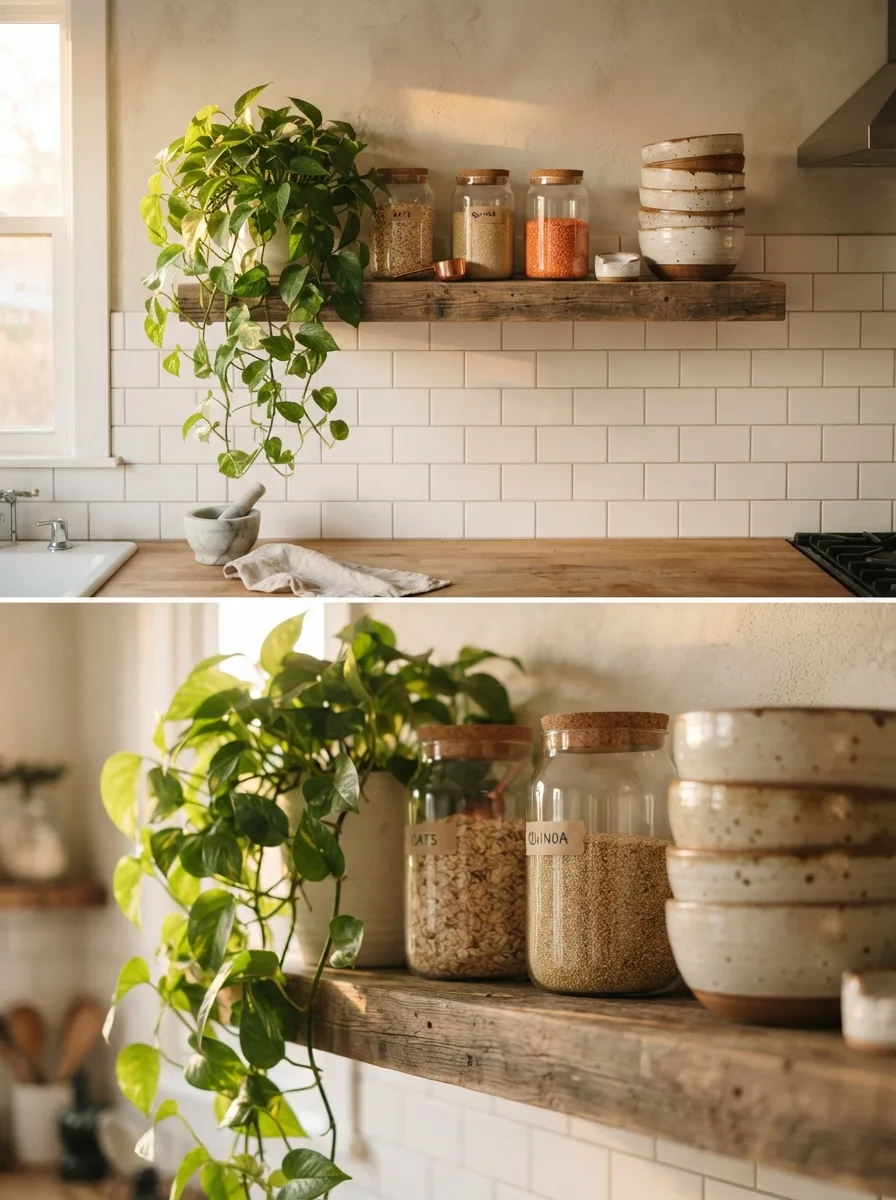
Home Decor · Kitchen & Dining
Boho Dining Room Ideas for Every Space
Boho dining room ideas for tables of every size — pendant lighting, table linens and place settings, dining chairs, and small-space breakfast nooks.
7 min read
Home Decor · Kitchen & Dining
Boho dining room ideas for tables of every size — pendant lighting, table linens and place settings, dining chairs, and small-space breakfast nooks.
A boho dining room lives or dies on a handful of specific decisions that a kitchen or living room guide won’t cover: how low to hang the pendant over the actual table, what to put on the table itself between meals, and how to make a two-person nook feel finished rather than like a placeholder for a bigger table you don’t have yet. Whether you’ve got a full separate dining room or a breakfast nook carved out of a kitchen corner, the same core moves apply — pendant lighting sized to the table, simple textured linens, and a centerpiece that survives more than one dinner. Here’s the specific version of boho built around the table itself.
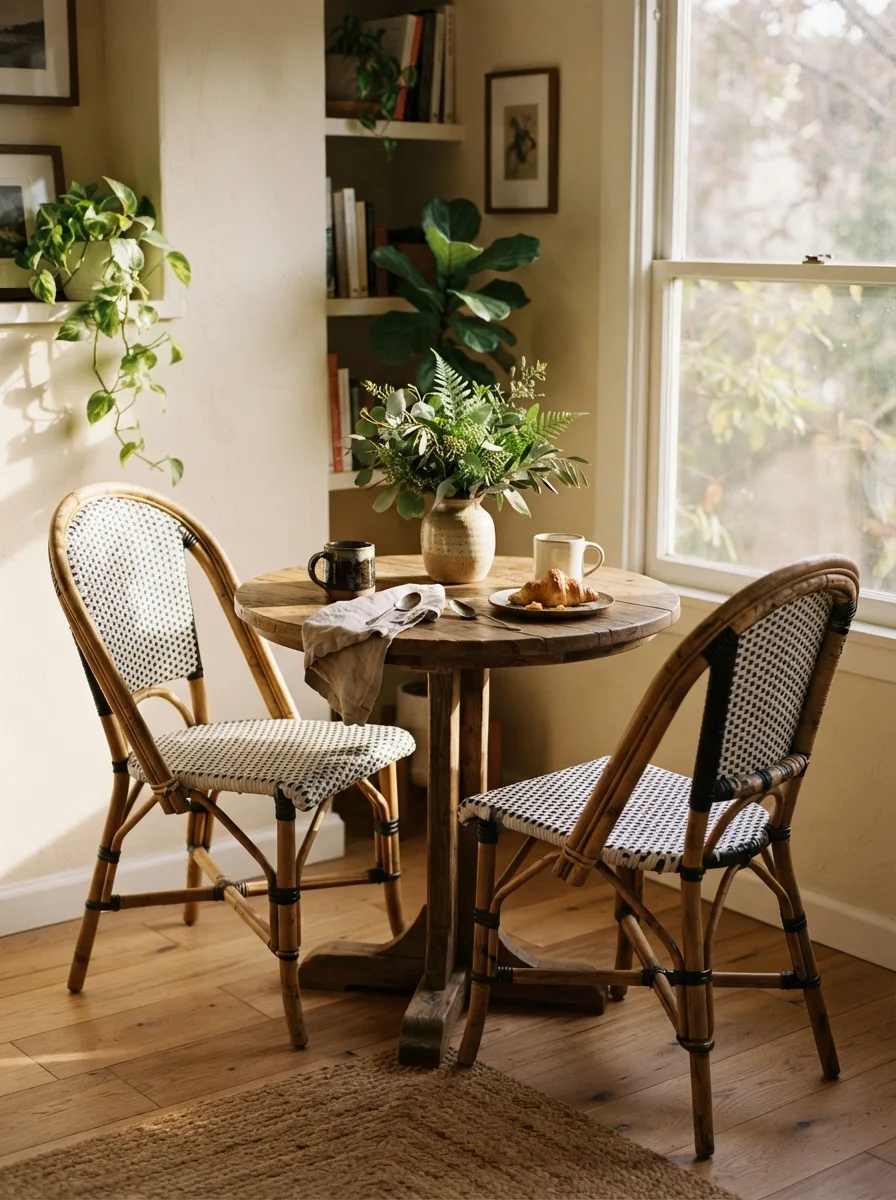
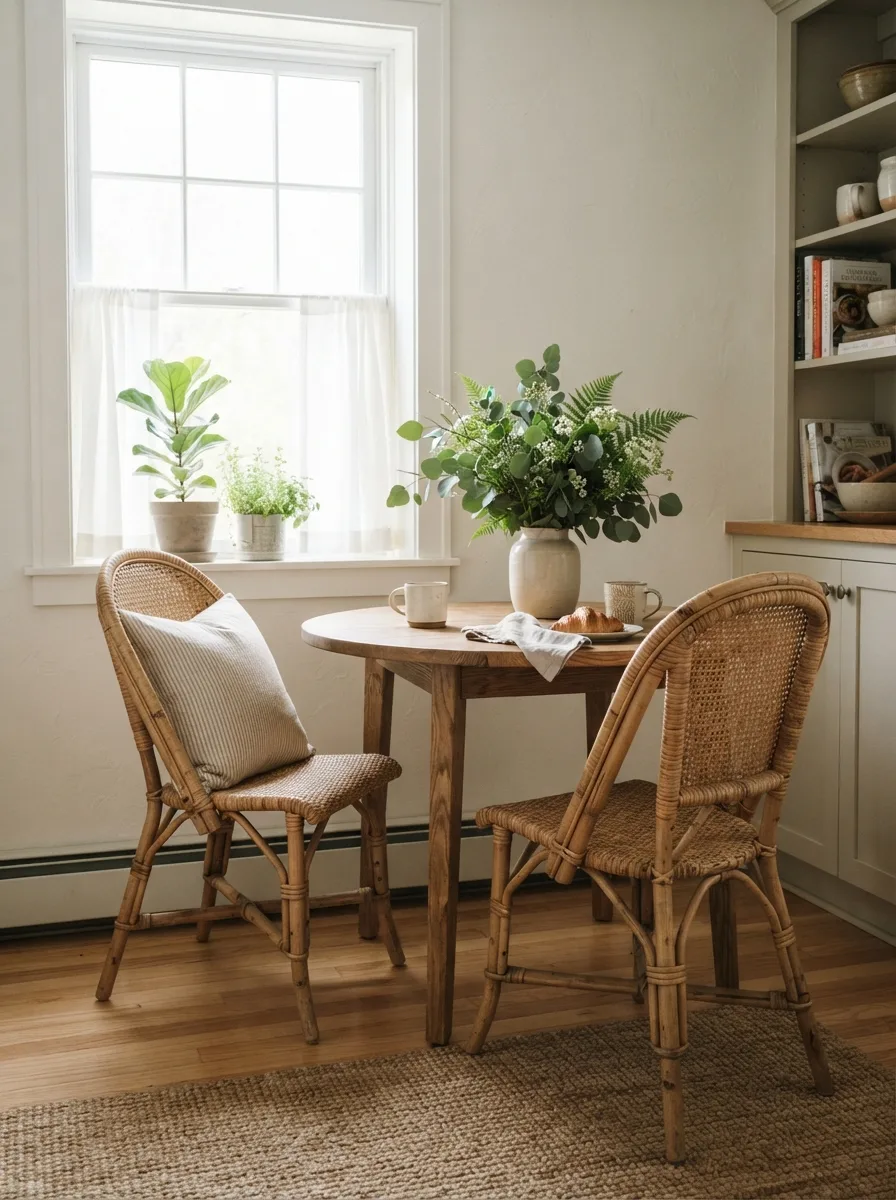
The biggest mistake in a small dining nook is forcing in more seating than the room wants. A round table for two with a pair of woven rattan or bistro-style chairs reads intentional and complete in a corner that a four-top would make feel cramped. If you do have the square footage for a larger table, a long reclaimed-wood table with a mix of chair styles — a bench on one side, rattan chairs on the other — keeps it from feeling like a matched showroom set.
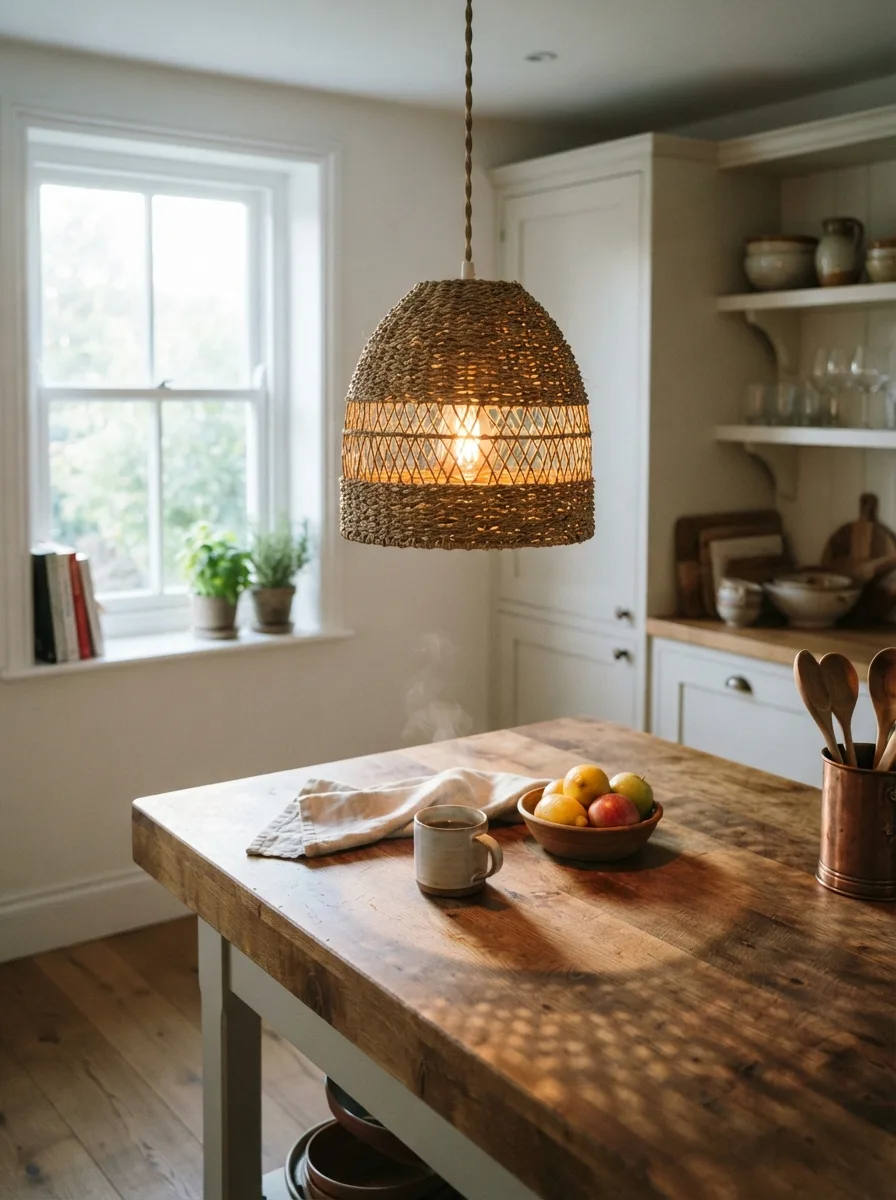
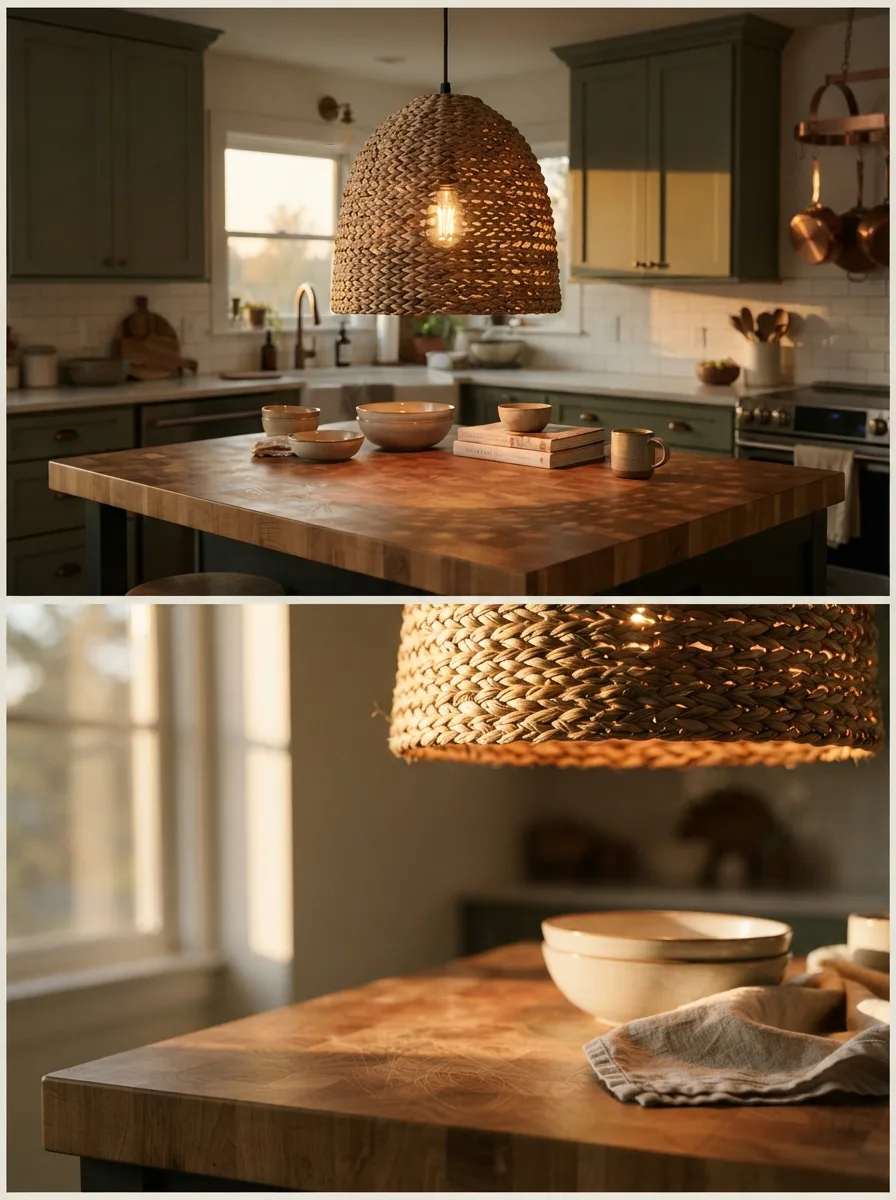
A pendant light hung at the wrong height is the single most common thing that makes a dining space feel off, even when everything else about it is styled well. Aim for 28-34 inches above the tabletop: low enough that it feels anchored to the table specifically rather than just lighting the room generally, high enough that no one seated is looking straight into the bulb or ducking around it standing up.
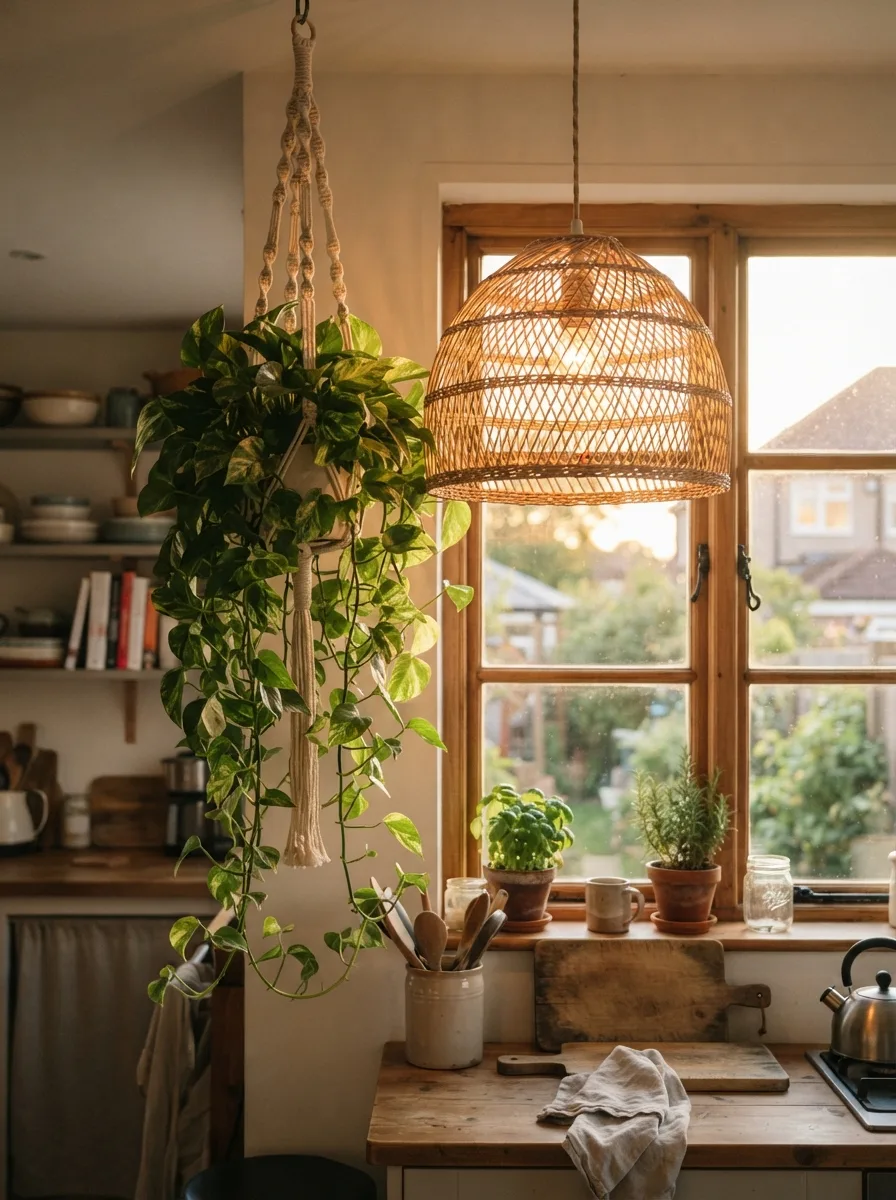
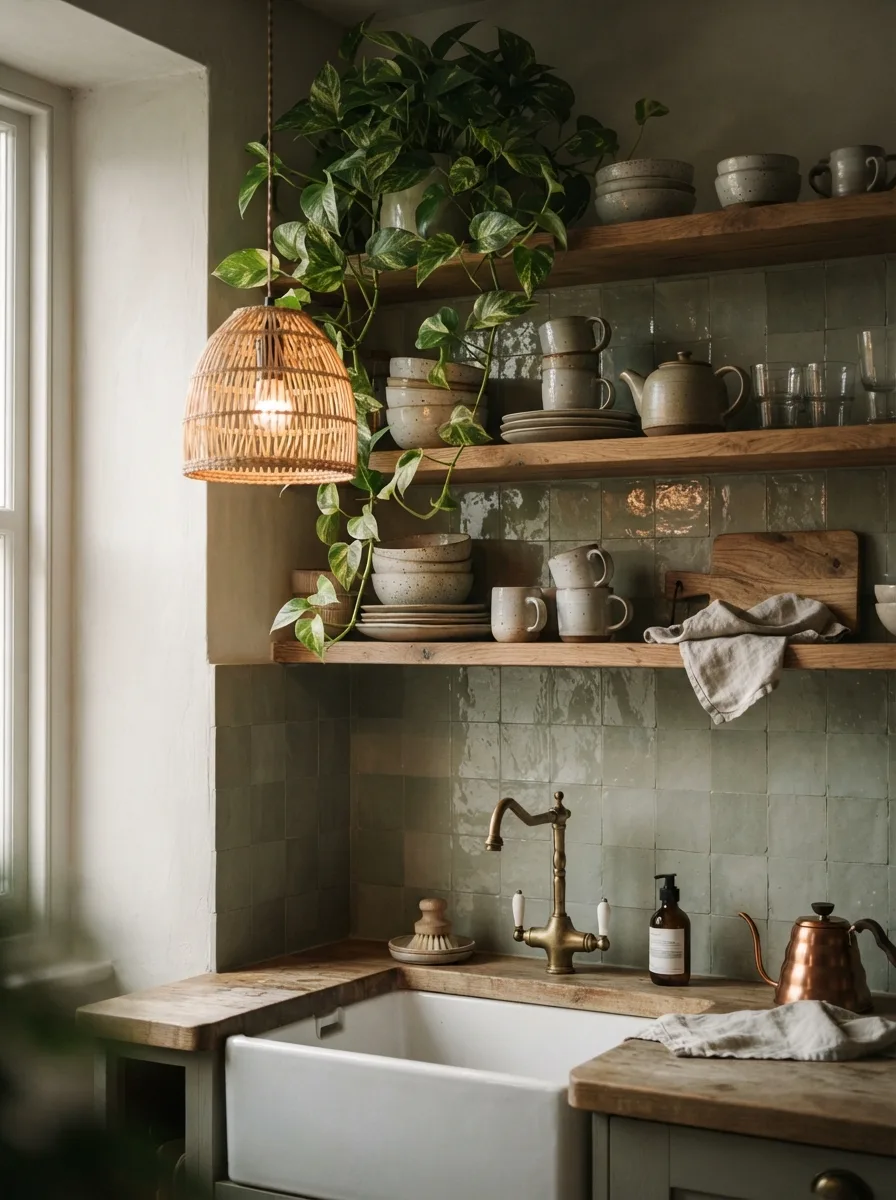
A woven rattan or seagrass pendant is the material choice that reads boho fastest, and the two aren’t quite interchangeable — seagrass has a looser, more casual weave that suits an everyday breakfast table, while a tighter rattan weave feels a little more considered for a table used for actual dinner parties.
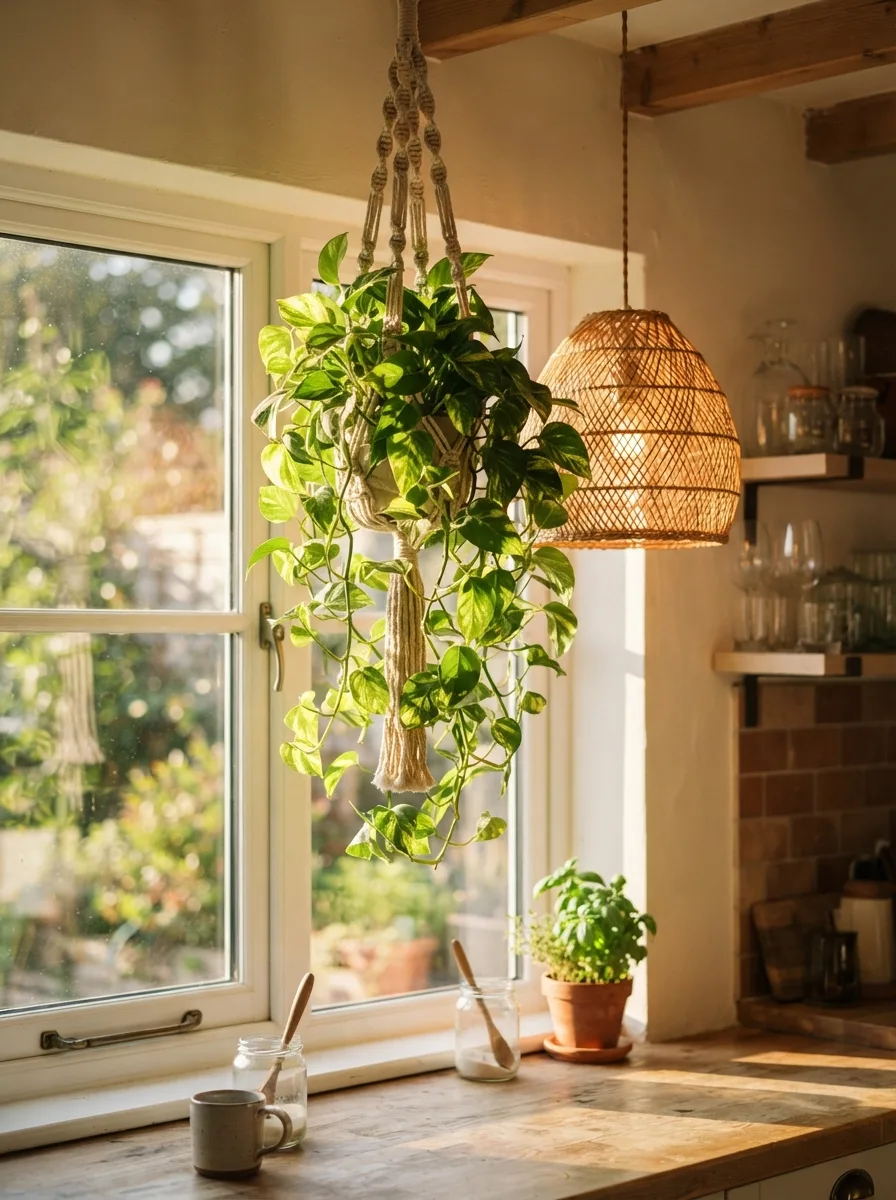
If your ceiling height allows it, hanging a trailing plant near the pendant rather than only on the table fills the empty air space above the table without adding another object competing for room on the tabletop itself.
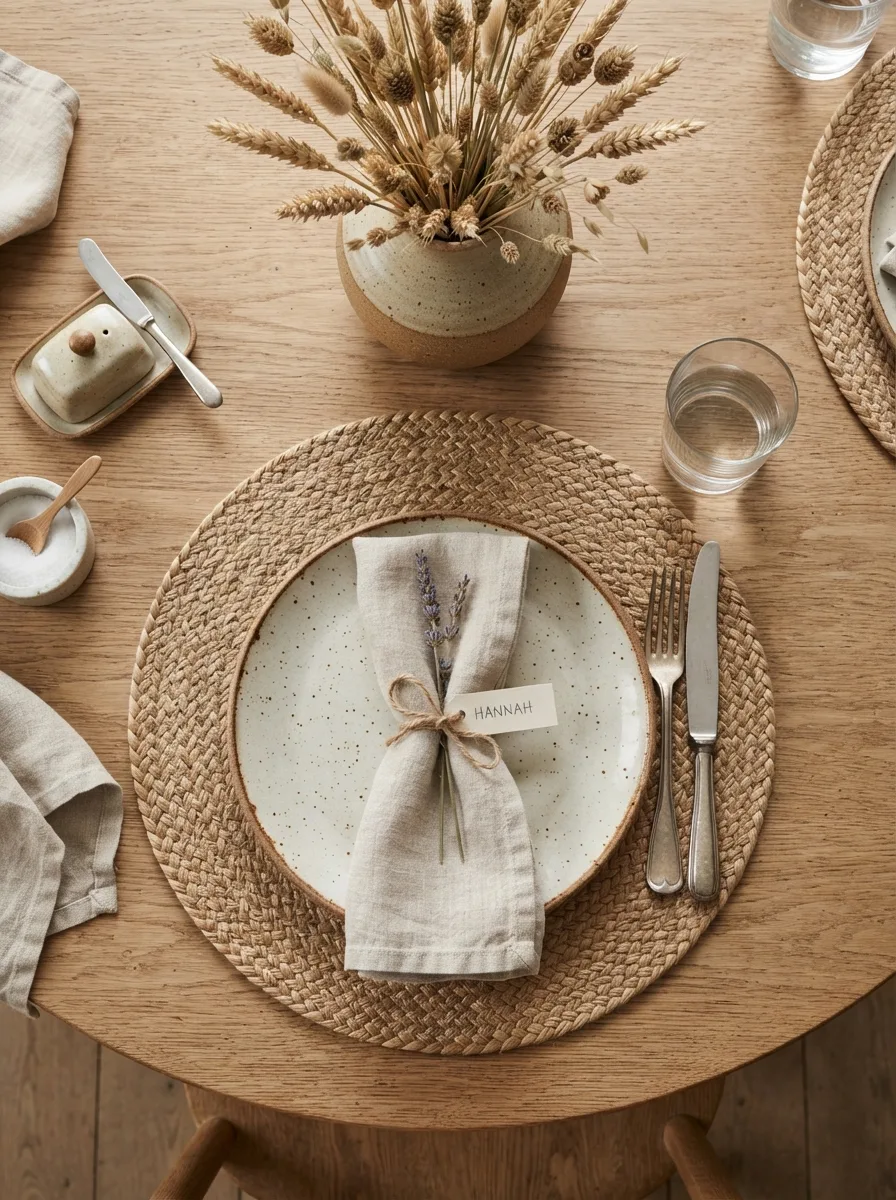
Skip the printed table runner. A round woven jute or seagrass placemat under each plate, paired with a plain linen napkin tied with a loop of jute twine instead of folded flat, does more for a boho table setting than a patterned runner ever will — the texture reads considered, and it’s a look that works for both a casual breakfast and a set dinner table without needing to change anything.
If you do want pattern on the table, put it in the napkins rather than the placemats or a runner — a set of mudcloth or ikat-print cloth napkins is a low-cost way to add it, and they’re easy to swap out seasonally without touching anything else on the table.
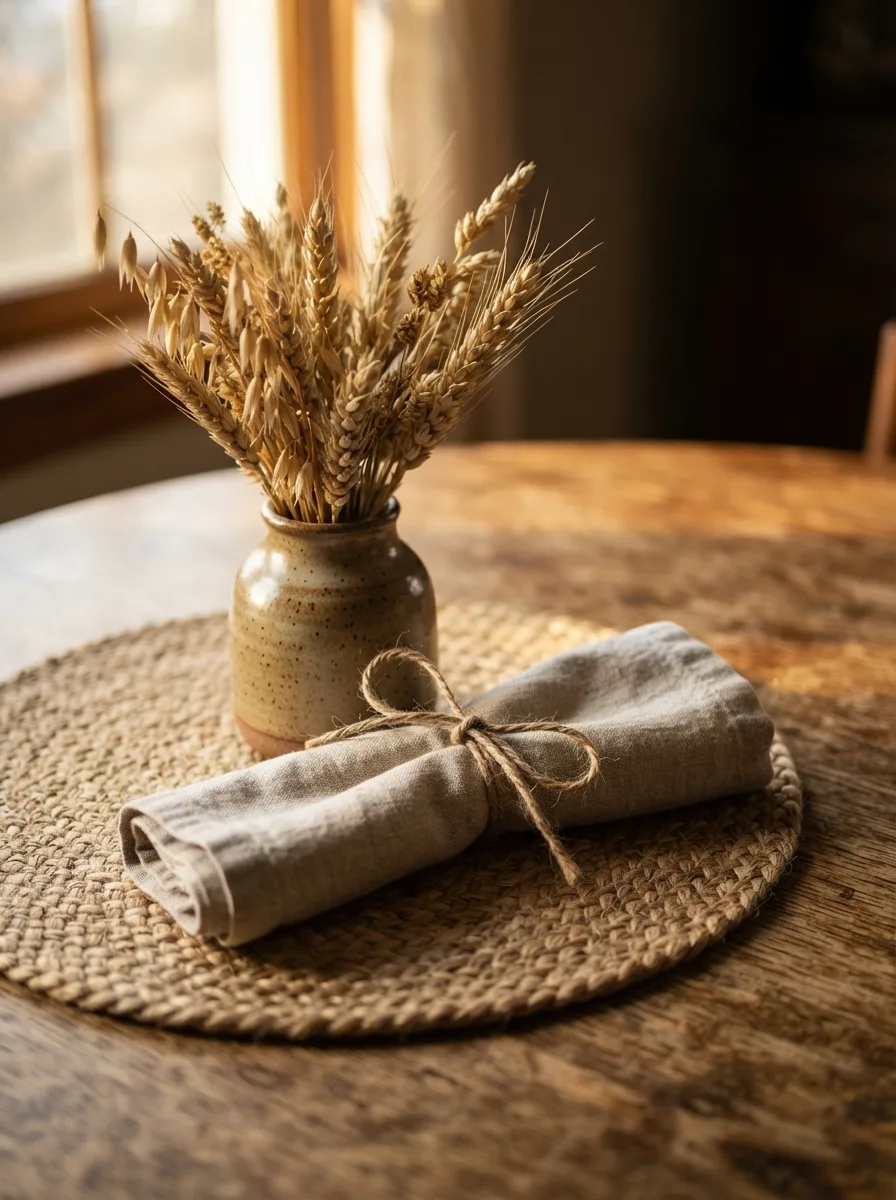
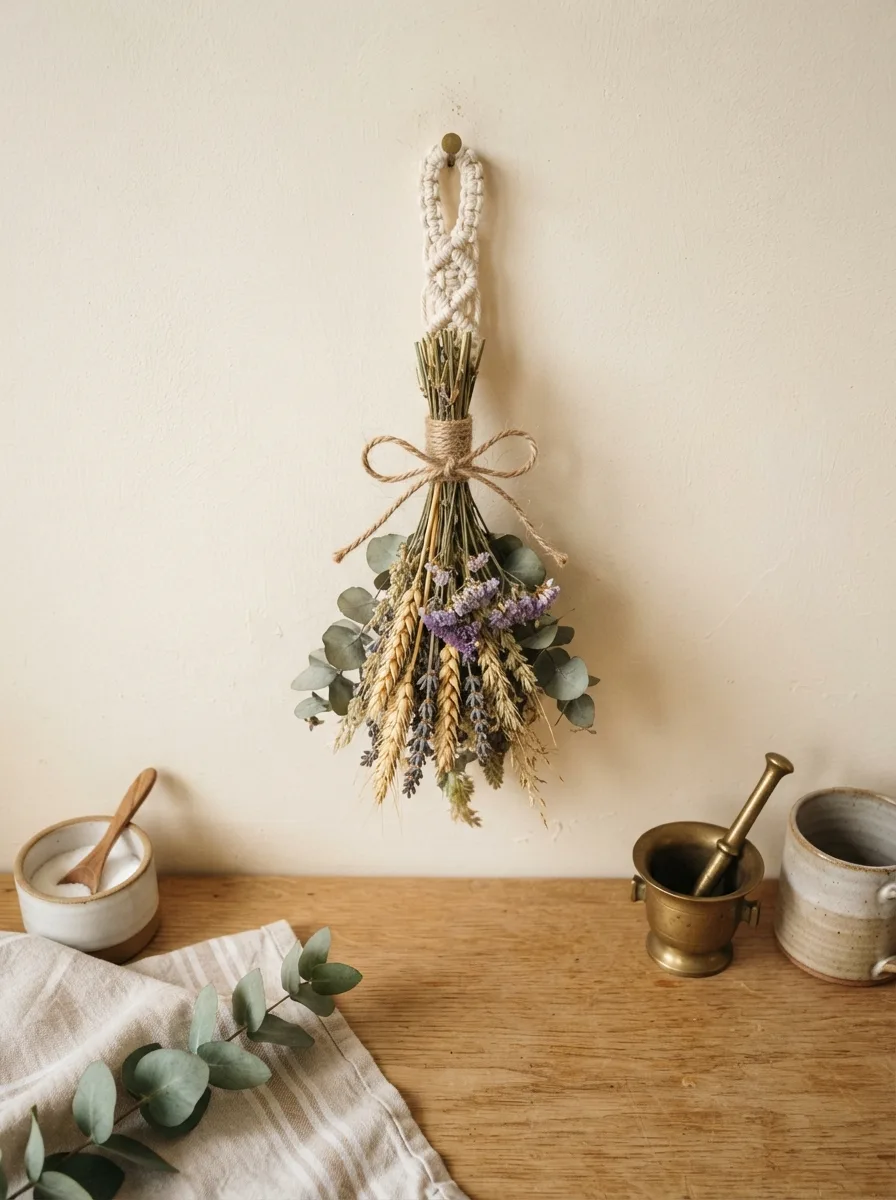
Fresh flowers are lovely for one night and wilted by the third day of actual daily use. A small stoneware vase of dried wheat, pampas, or eucalyptus sits on the table indefinitely without maintenance, which matters more for a dining table than almost any other surface in the house, since it’s usually the thing you’re staring at during every meal.
A wood bowl of real fruit works just as well as a centerpiece and it’s functional — you’re not styling something you can’t also eat. Either way, keep the centerpiece low enough that people can actually see each other across the table.
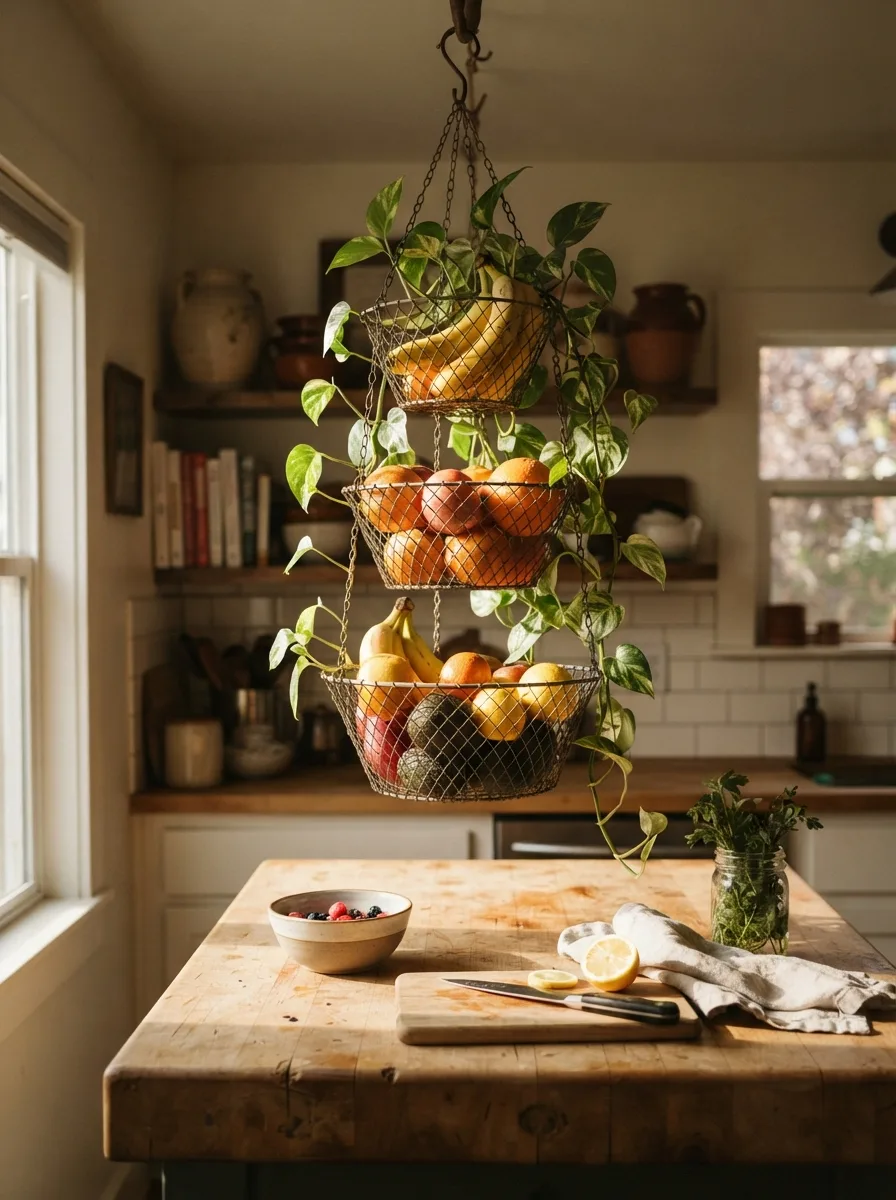
A dining area often has more unused vertical space than a living room does, since there’s usually no coffee table or low furniture competing for the eye. Tiered wire hanging baskets loaded with real fruit make use of that space above the table while doing double duty as actual storage — a genuinely useful trick in a kitchen-adjacent dining nook that’s short on counter room.
A single trailing plant at a nearby window is usually enough greenery on its own — leave the table itself clear of plants so there’s room for actual place settings when it’s in use.
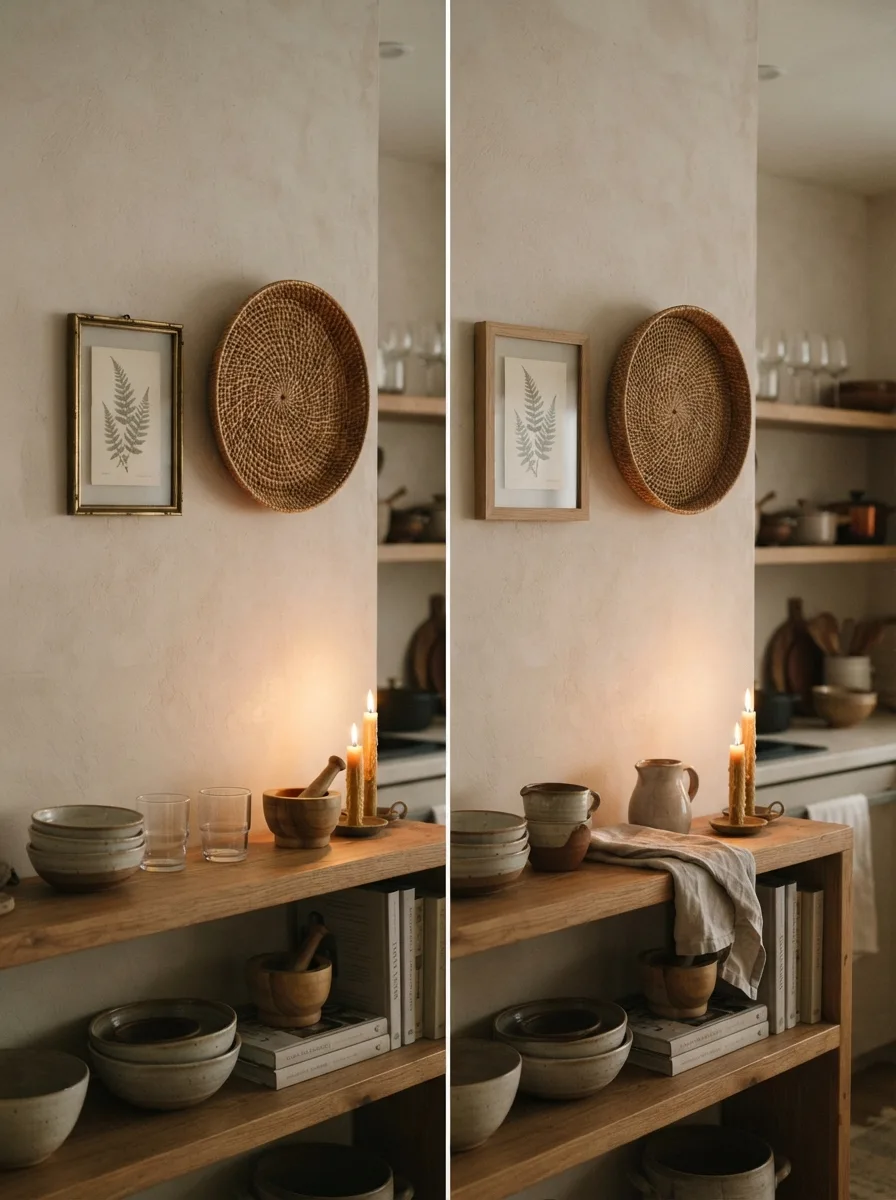
The wall behind or beside a dining table gets looked at mostly while seated, which means it can carry something a little bolder than a living room wall without overwhelming the room — but it still doesn’t need much. A single dried floral bundle hung at eye level, or a framed botanical print simply leaned against the wall rather than hung, both fill the space without requiring a full gallery arrangement.
In an open-plan space, repeat the same plant and ceramic style between the kitchen shelving and the table itself — it’s what pulls the two zones into reading as one cohesive room instead of two different styling projects that happen to share a floor.
They share the same materials — rattan, wood, warm ceramics — but a dining room is styled around the table itself: pendant lighting placed for the table specifically, place settings, table linens, and dining chairs, rather than counters, backsplashes, and storage. If you're decorating the cooking side of an open kitchen-dining space, our kitchen guide covers that half in more detail.
Boho Kitchen Decor Ideas →A small nook is genuinely easier to style well than a large formal dining room — a round table for two, a pair of woven bistro chairs, and one trailing plant on the windowsill is a complete look on its own. Don't try to force in a fourth chair or a bigger table than the space wants; a two-top that's proportioned right reads more intentional than a cramped four-top.
About 28-34 inches above the tabletop is the standard range — low enough to feel warm and anchored over the table, but high enough that no one's bumping it standing up or blocking sightlines across the table when seated. If your ceilings are under 8 feet, stay toward the lower end of that range rather than the higher one.
A placemat per setting is usually enough on its own — a woven jute or seagrass round placemat under each plate, paired with a simple linen napkin tied with twine, does the styling work a printed runner would otherwise be doing. If you do want a runner, keep it a solid neutral color so it doesn't compete with the placemats underneath it.
Cloth napkins in a mudcloth or ikat print are the cheapest entry point — a set of four or six runs far less than patterned dining chairs or a new rug, and they're easy to swap seasonally. Keep the plates and placemats neutral so the napkins are the one patterned element on the table.
Yes, and it's a good use case for it — a dining wall is usually smaller than a full room and gets seen mostly while seated, so a bolder botanical or earth-tone pattern reads as a feature rather than overwhelming the space. Our wallpaper guide covers where an accent-wall approach works best.
Boho Wallpaper Ideas That Don't Overwhelm a Room →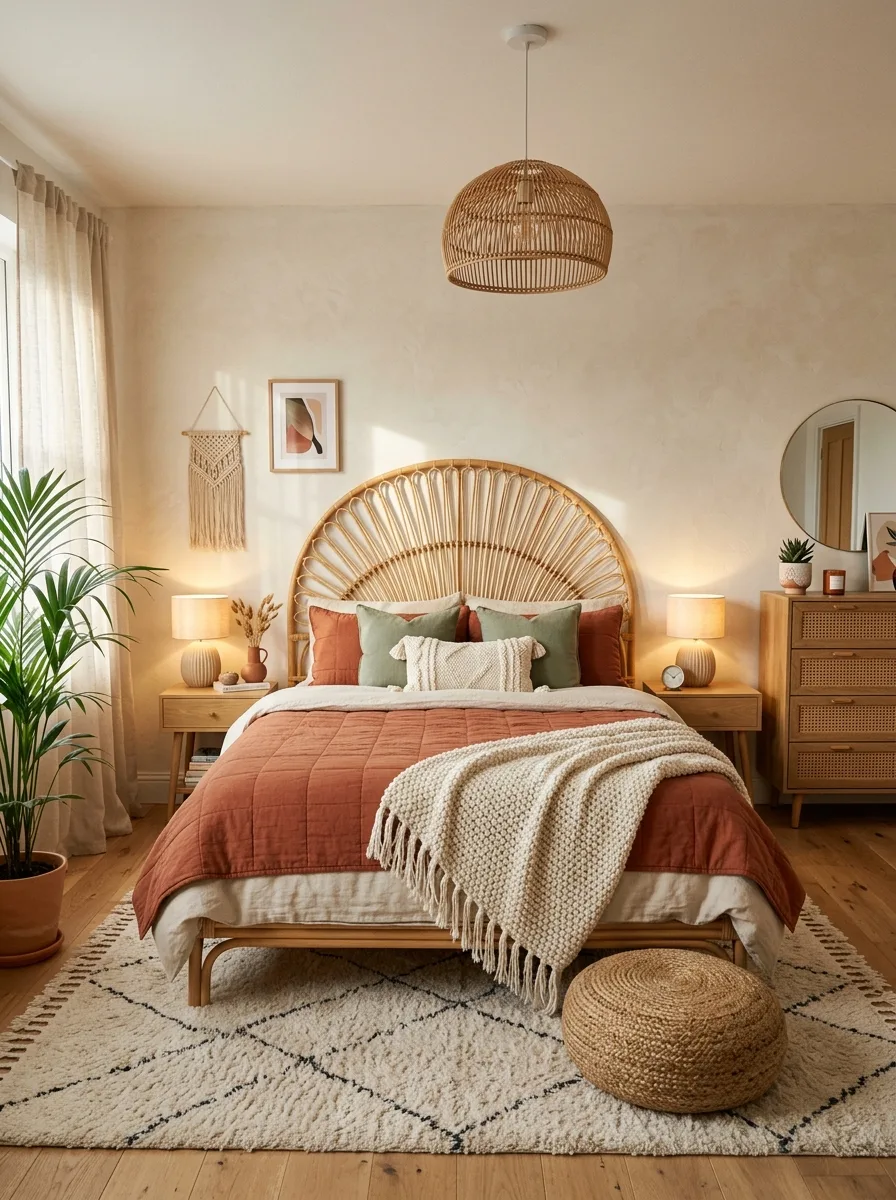 Living Room
Home Decor
Boho furniture guide: rattan and cane beds, platform beds, peacock chairs, daybeds, poufs and bedroom sets, plus how to mix, thrift and care for each piece.
 Bedroom
Home Decor
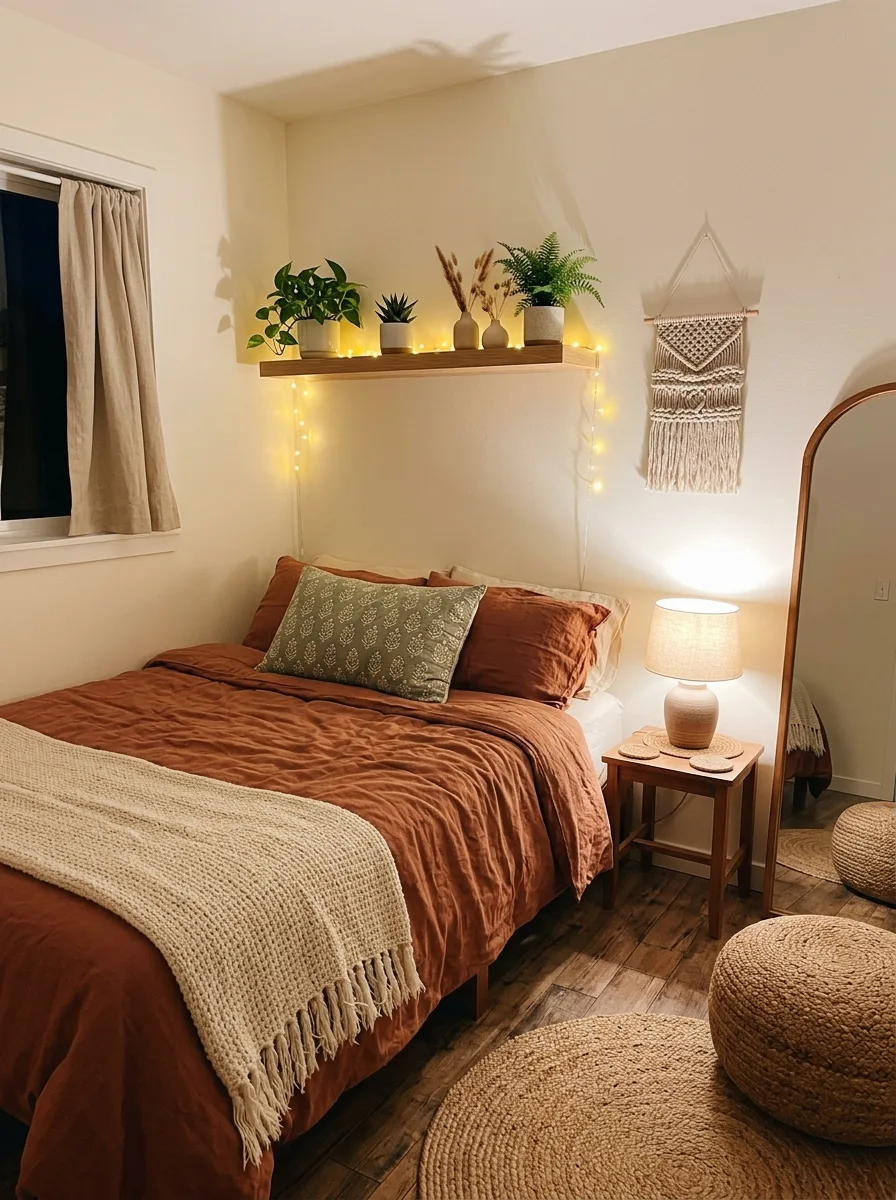
Boho room ideas for small spaces: dorm rooms, studios, teen bedrooms and rentals, with renter-safe decor, multi-use furniture and a typical budget table.
 Wall Art & Decor
Home Decor
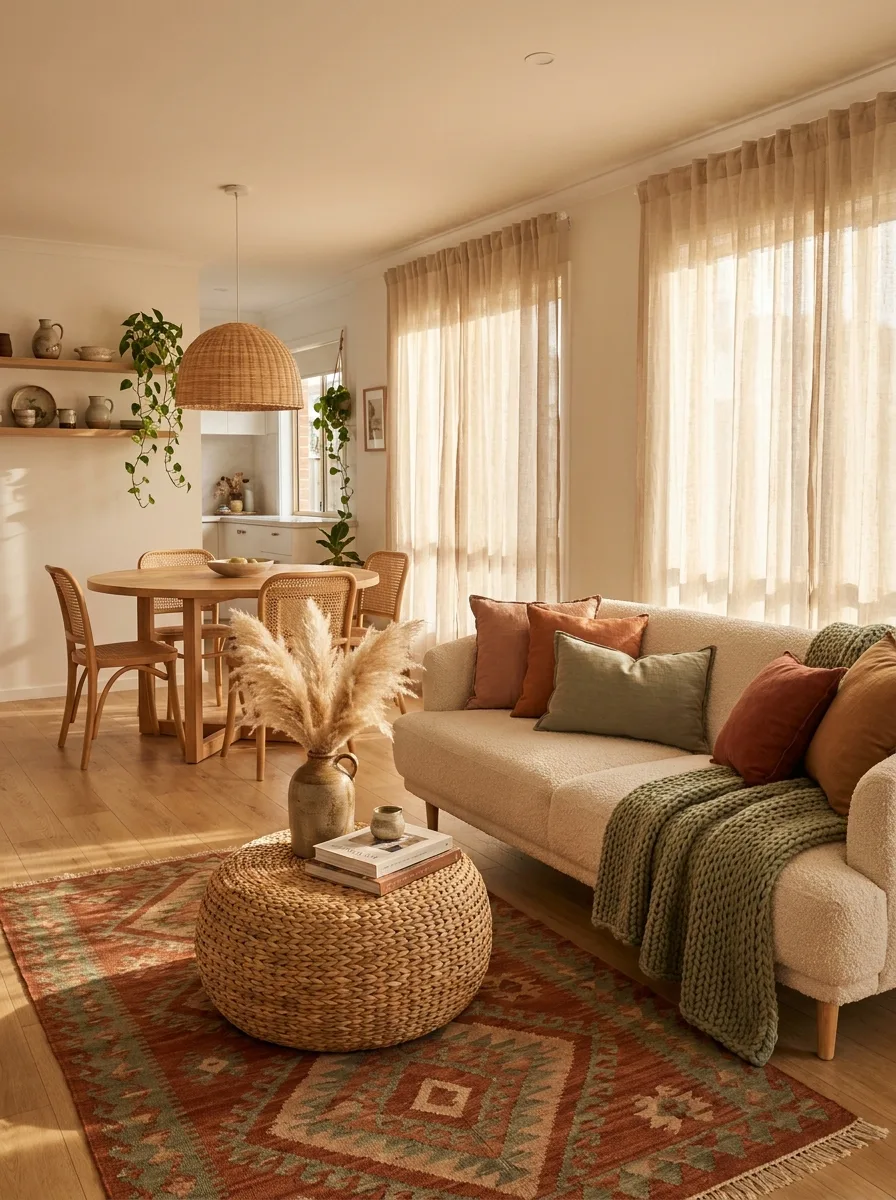
Boho decor explained: the core principles of bohemian interior design, a room-by-room guide, boho vs boho chic vs modern boho, and the mistakes to avoid.
Stay in the loop
New home decor, outfit, and hairstyle inspiration in your inbox — about once a week. No spam, unsubscribe anytime.
No spam. Unsubscribe anytime.