What Does Boho Mean? The Bohemian Aesthetic Explained
What does boho mean? The boho definition, where the word bohemian comes from, the five elements of boho style, and how it differs from boho chic and hippie.
What does boho mean? Boho is short for bohemian, and it describes a relaxed, free-spirited style built on natural materials, handmade and vintage pieces, global textiles, loose layered shapes and a warm, earthy palette. You’ll see the word on maxi skirts, rattan chairs, wedding dresses and macrame wall hangings, because boho is one of the few aesthetics that covers what you wear and how you live in equal measure.
The boho meaning has also shifted a lot over two centuries, from a word for broke artists in Paris to a 1970s counterculture look to the calmer “modern boho” of today. This guide covers the boho definition, where the word comes from, the five elements every boho look shares, and how boho differs from boho chic, hippie and modern boho.
What Does Boho Mean?
Boho means bohemian: a style and a way of living that values creativity, comfort, freedom and individuality over convention and polish. As an aesthetic, it shows up as flowing clothes in natural fabrics, rooms full of plants, rugs and rattan, and objects that look handmade, traveled or secondhand rather than new and matched.
Put simply, if you want to define boho in one line: boho is relaxed, layered, natural and collected. Each of those four words matters. Relaxed means loose shapes and nothing stiff. Layered means texture on texture, whether that’s a kimono over a blouse or a throw over a sofa. Natural means cotton, linen, suede, wool, wood, jute and clay. Collected means it looks gathered over years, not bought in one trip.
What Is Bohemian? Where the Word Comes From
“Bohemian” originally meant a person from Bohemia, a region in what is now the Czech Republic, but the style meaning comes from France. The French word bohémien was an old, now outdated name for the Romani people, who were mistakenly believed to have arrived from Bohemia. By the 19th century, Parisians had borrowed it for a different group: artists, writers and musicians who lived poor, unconventional lives on purpose.
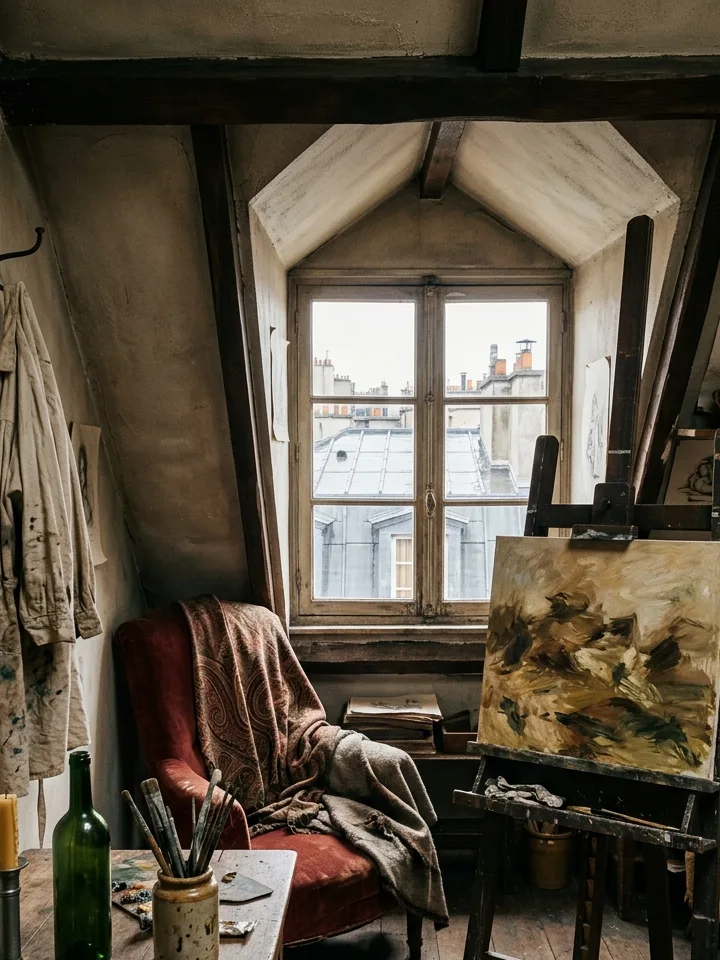
The word started here: in 19th-century Paris, bohemian meant the broke artists who chose freedom and their work over money and convention.
19th-century Paris: the original bohemians
These were the people in cheap attic rooms who put art, friendship and freedom ahead of money and respectability. Henri Murger’s stories of Parisian garret life, later the basis for Puccini’s opera La Bohème, made the type famous. The word spread into English with the same sense: someone artistic who ignores conventional rules about how to live and dress.
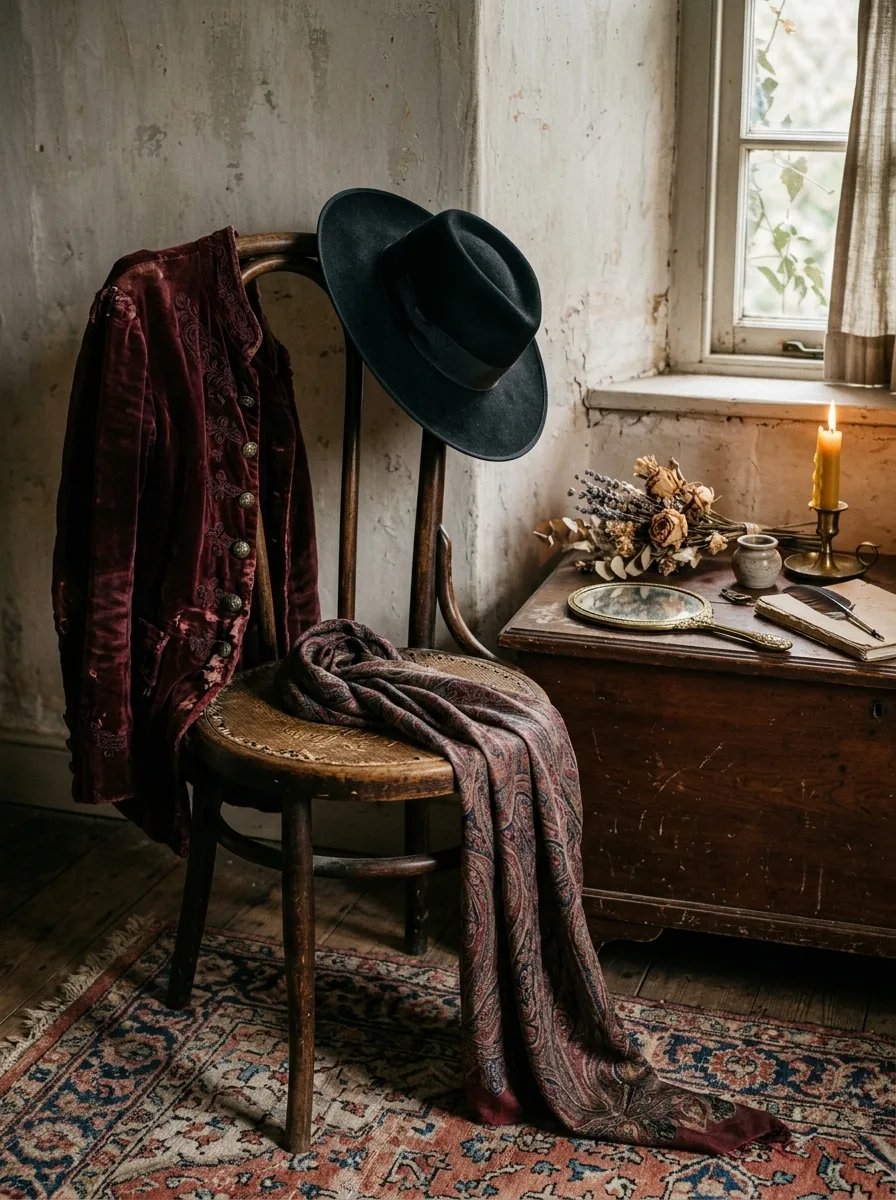
Their clothes were part of the statement. Instead of crisp, buttoned-up tailoring, bohemians wore velvet, worn secondhand jackets, soft hats, loose shirts and paisley shawls, often deliberately rumpled.
The original bohemian wardrobe was velvet, worn-in secondhand pieces and paisley shawls: clothes chosen for self-expression, not respectability.
The 1960s and ’70s: bohemian becomes a look
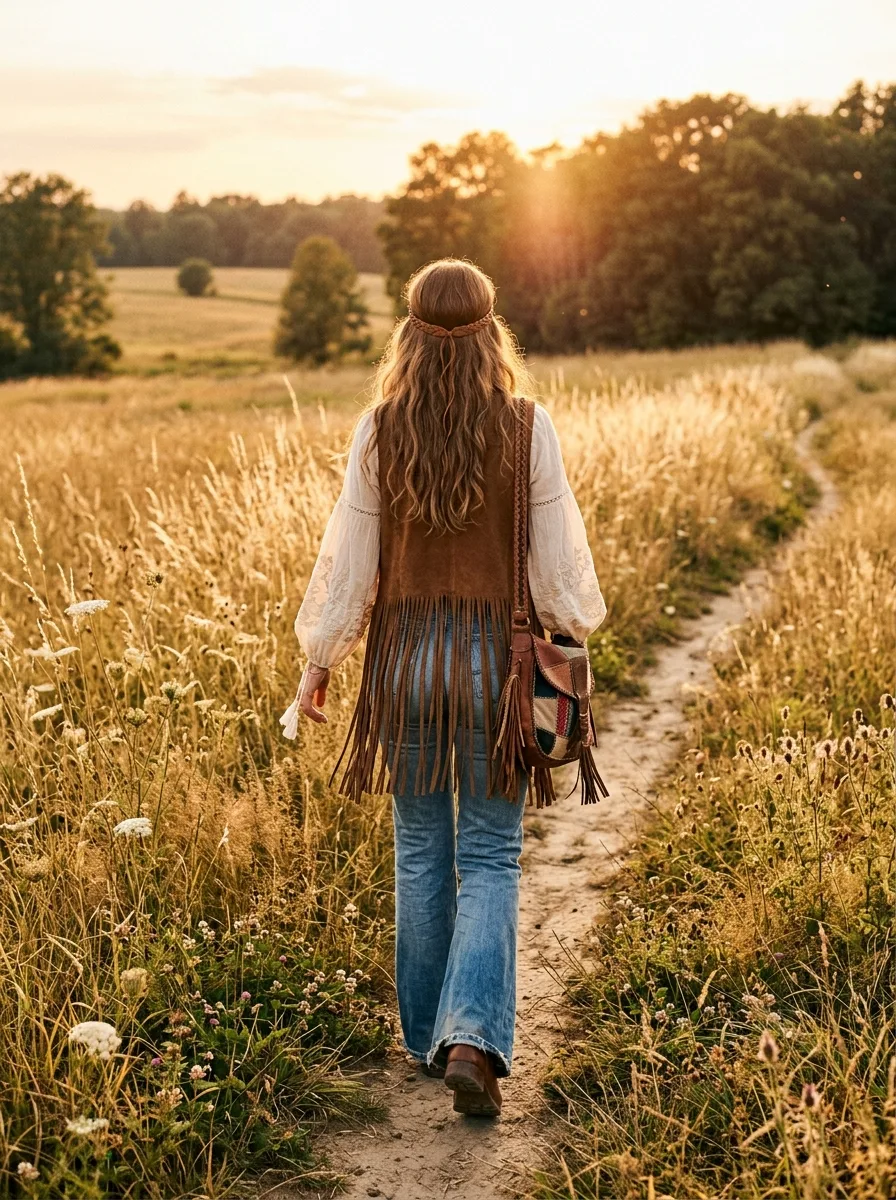
The look most people now picture comes from the 1960s and ’70s counterculture. Young people traveling and rejecting mainstream consumer life brought home folk textiles and handmade clothing, and bohemian dress became a recognizable style: embroidered peasant blouses, long skirts, fringe, suede, flared jeans, headbands, patchwork and loose hair.
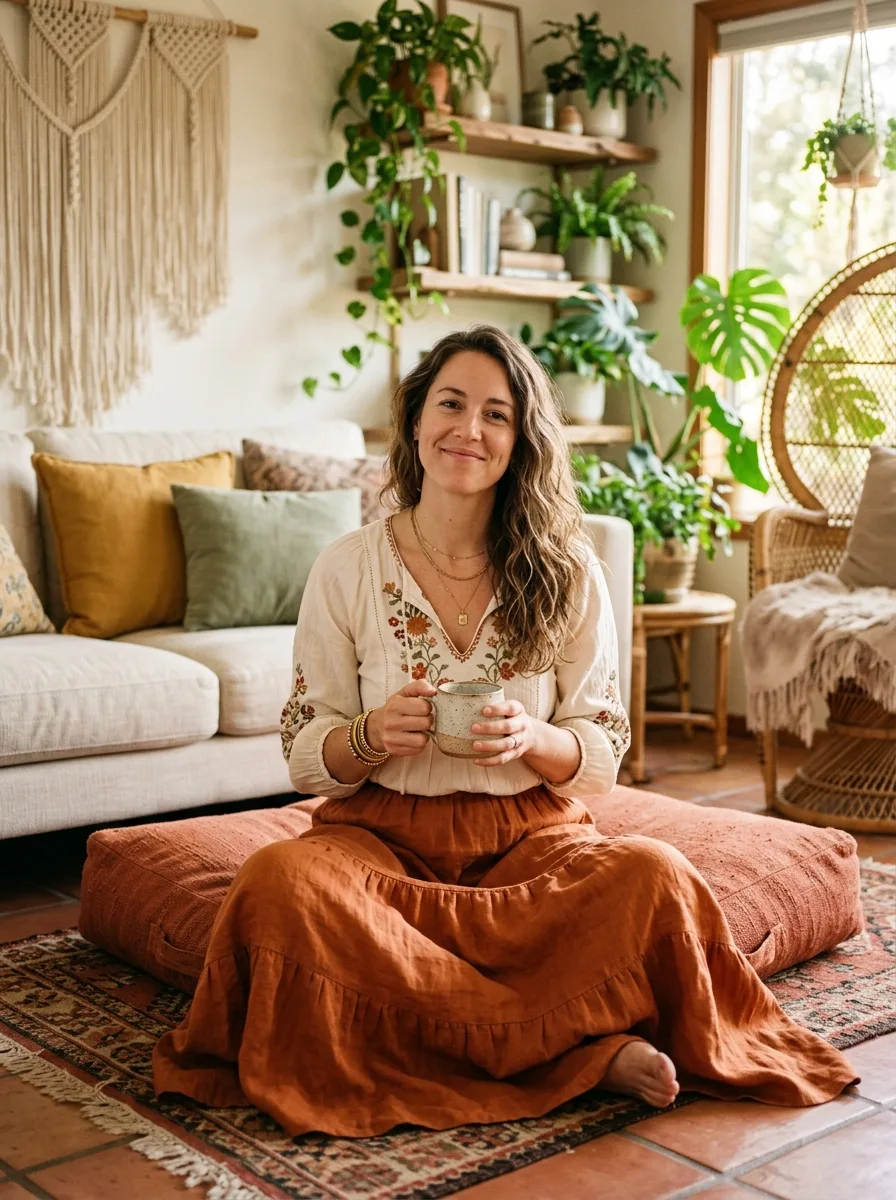
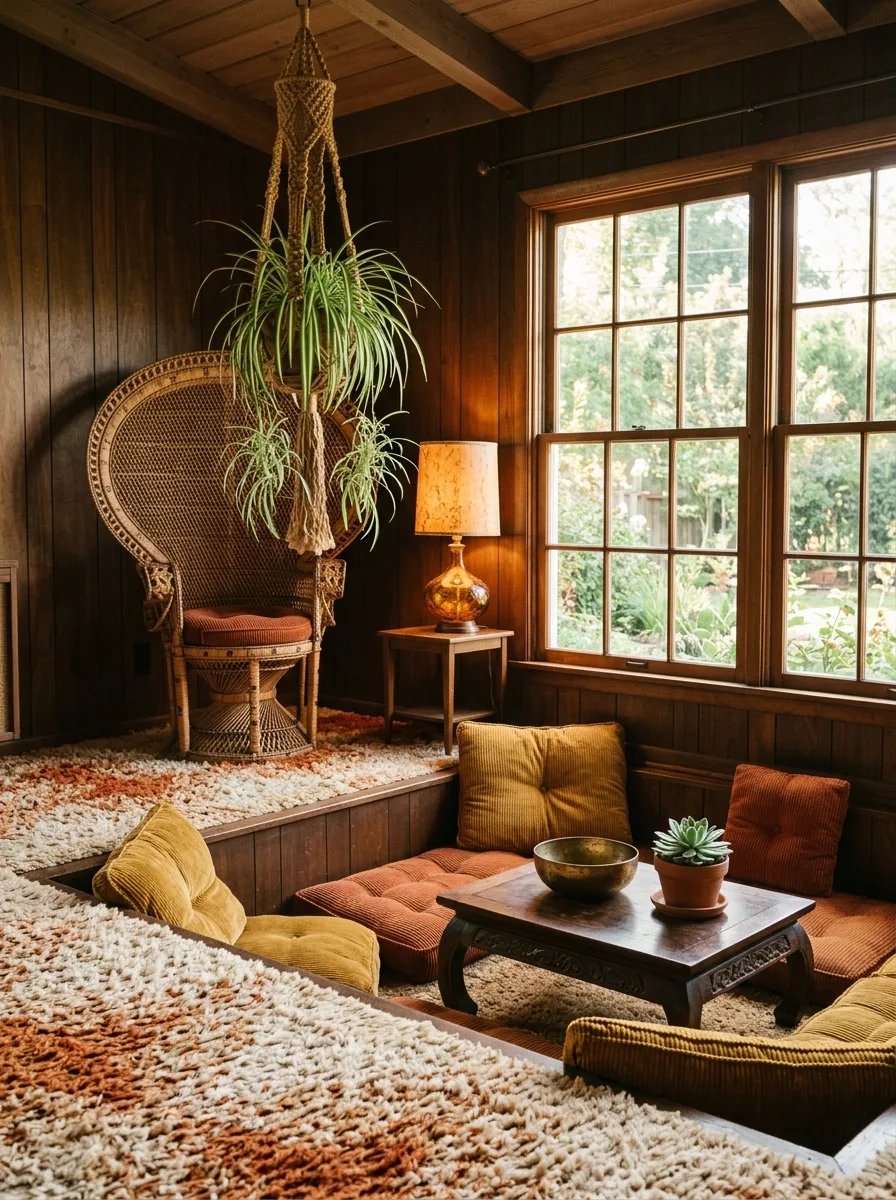
The 1970s gave boho its home look: macrame, rattan, floor seating and an all-earth-tones palette that still defines the style.
The 2000s: the “boho chic” revival
In the 2000s, the shortened word “boho” took over, along with a label of its own: boho chic. Fashion revived the ’70s pieces in a more polished, wearable form, and festival style kept the look visible. We cover that era and its signature looks in what boho chic actually means. Since then, boho has settled into a permanent, quieter style rather than a passing trend, especially in home decor.
What Is Boho Style? The Five Elements of the Boho Aesthetic
Boho style is any look, in clothing or in a room, that combines natural materials, handmade or vintage details, loose layering, global textiles and a warm earthy palette. You don’t need all five at once, but a look with none of them isn’t boho, however many tassels it has.
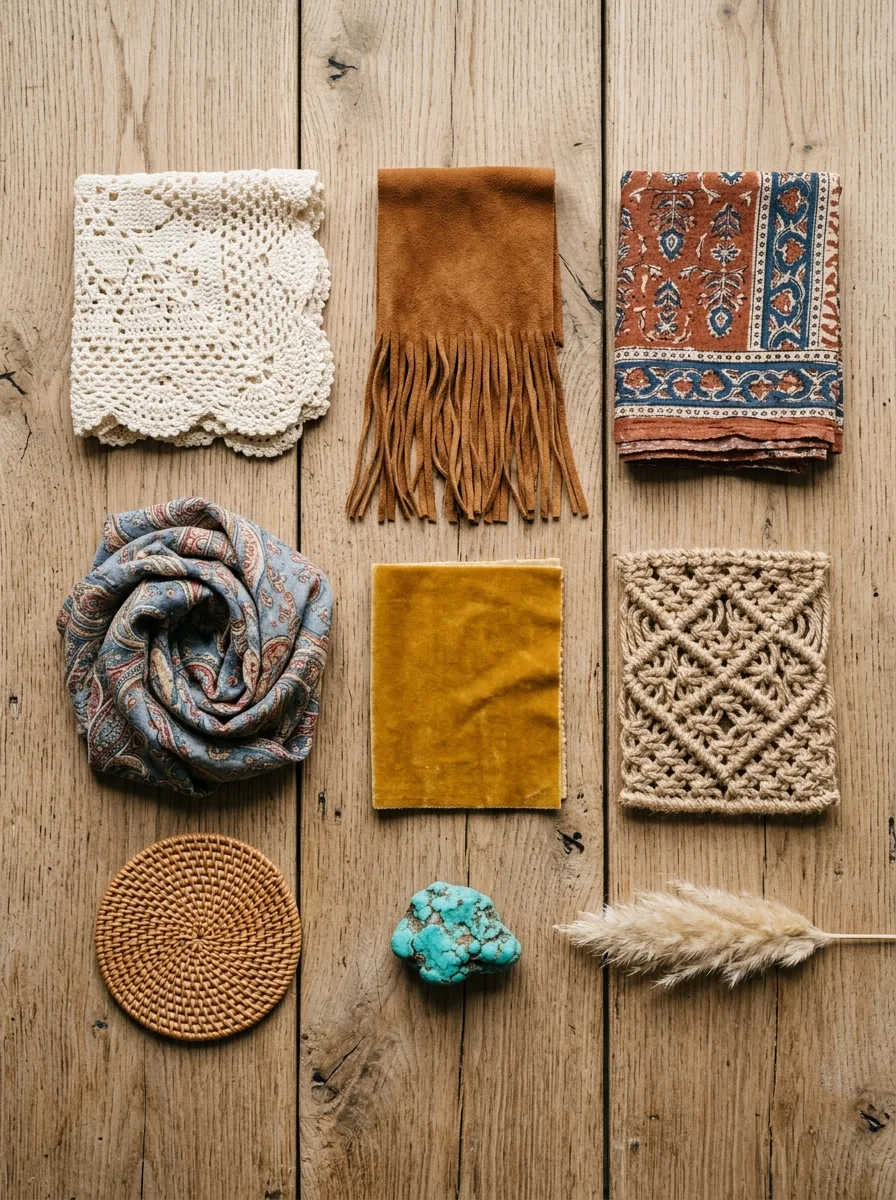
Natural materials. Cotton gauze, linen, suede, wool, crochet and leather in clothes; rattan, jute, wood, clay and stone at home.
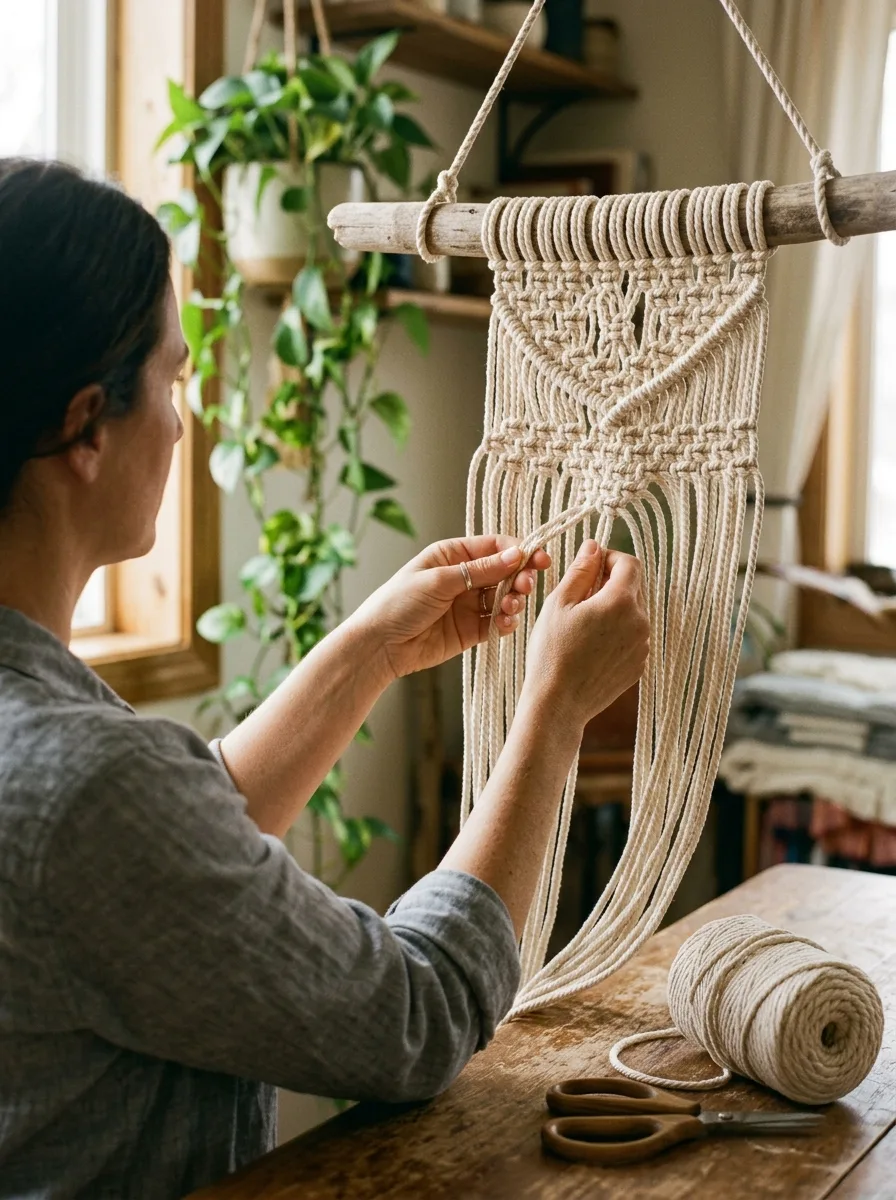
Handmade or vintage details. Embroidery, fringe, macrame, block printing, patchwork, or simply something that looks worn-in and secondhand.
Loose, layered shapes. Tiered skirts, wide sleeves, open kimonos, floor cushions, throws over sofas. Very little is fitted or stiff.
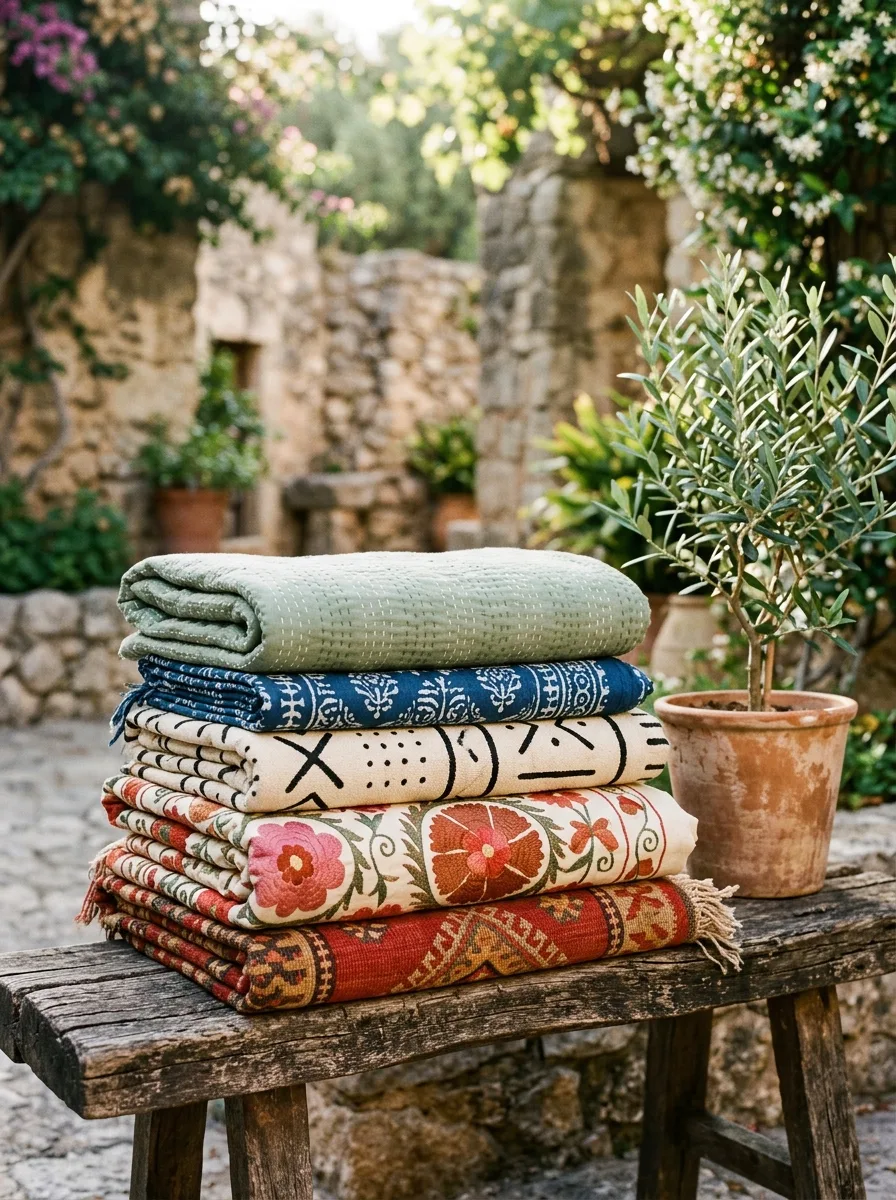
Global textiles. Paisley, kilim, suzani, mudcloth, block prints and kantha, borrowed from craft traditions around the world.
A warm, earthy palette. Rust, terracotta, cream, mustard, sage, dusty rose and cognac, with turquoise as the classic accent.
If you can't define boho, look at its materials: everything is handmade-looking, natural or worn-in, and nothing is shiny or synthetic.
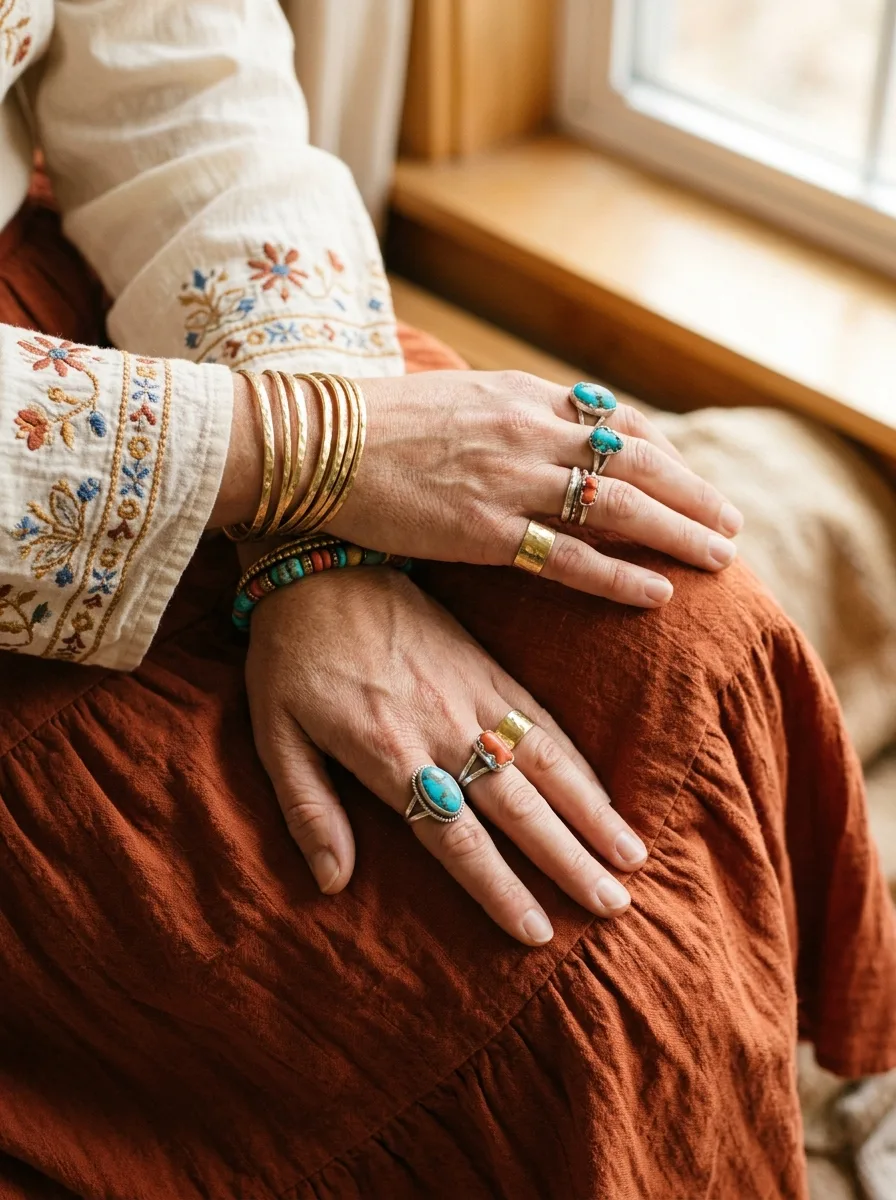
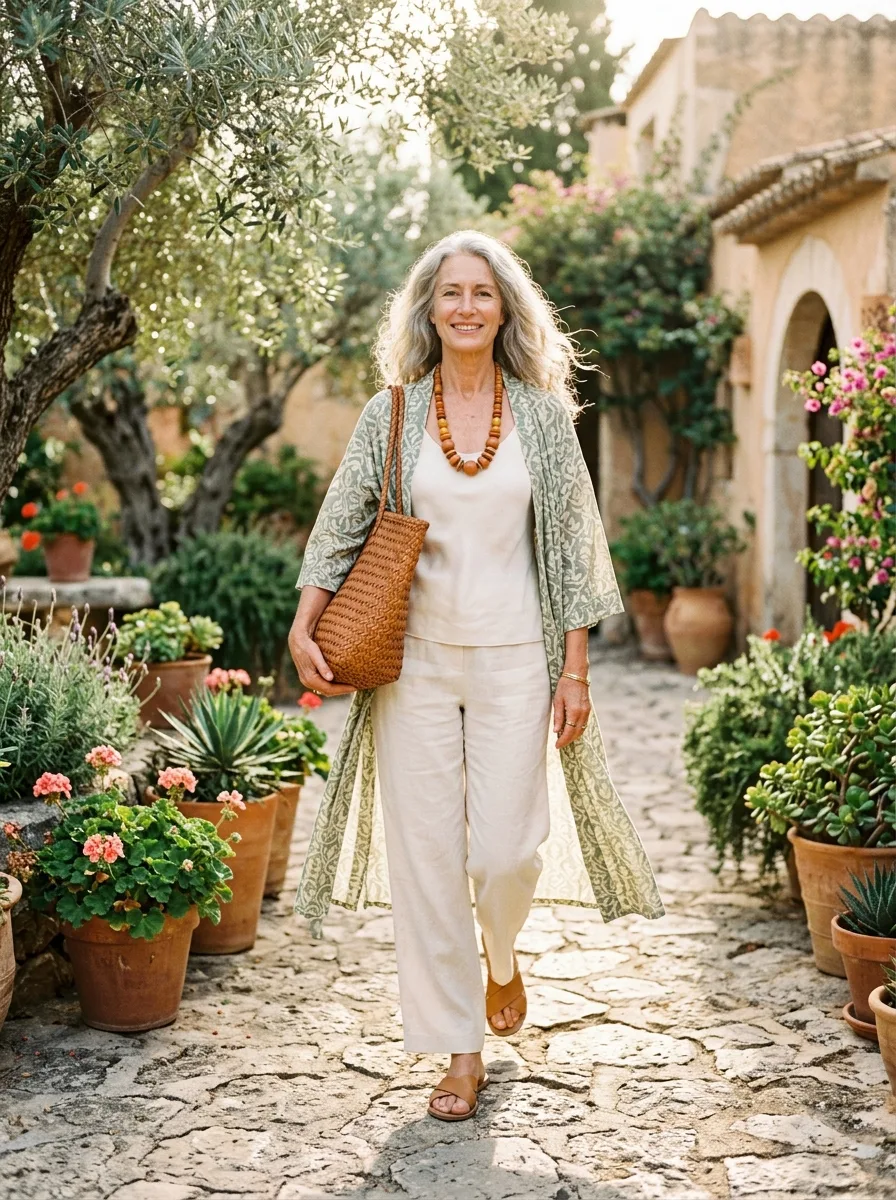
The thread connecting all five is that nothing looks mass-produced or brand new. That’s why boho jewelry deliberately mixes silver, gold, turquoise and beads instead of wearing a matching set, a principle we break down in our boho jewelry guide.
Boho jewelry layers metals and stones that don't match on purpose. The mix is supposed to look collected over years, not bought as a set.
Global textiles deserve a note of care. Boho borrows patterns from specific cultures, and the respectful way to wear or decorate with them is to buy pieces made by the people whose tradition they come from, rather than cheap printed imitations.
Boho borrows freely from global textile traditions. Buying the real thing from the makers is what keeps that respectful.
Handmade matters for the same reason. A slightly uneven macrame knot or hand-stitched hem is a feature, not a flaw. It’s the visible sign that a person, not a machine, made the thing.
Handmade sits at the core of the boho definition. A slightly imperfect knot is worth more here than a flawless factory finish.
Boho in Fashion and at Home
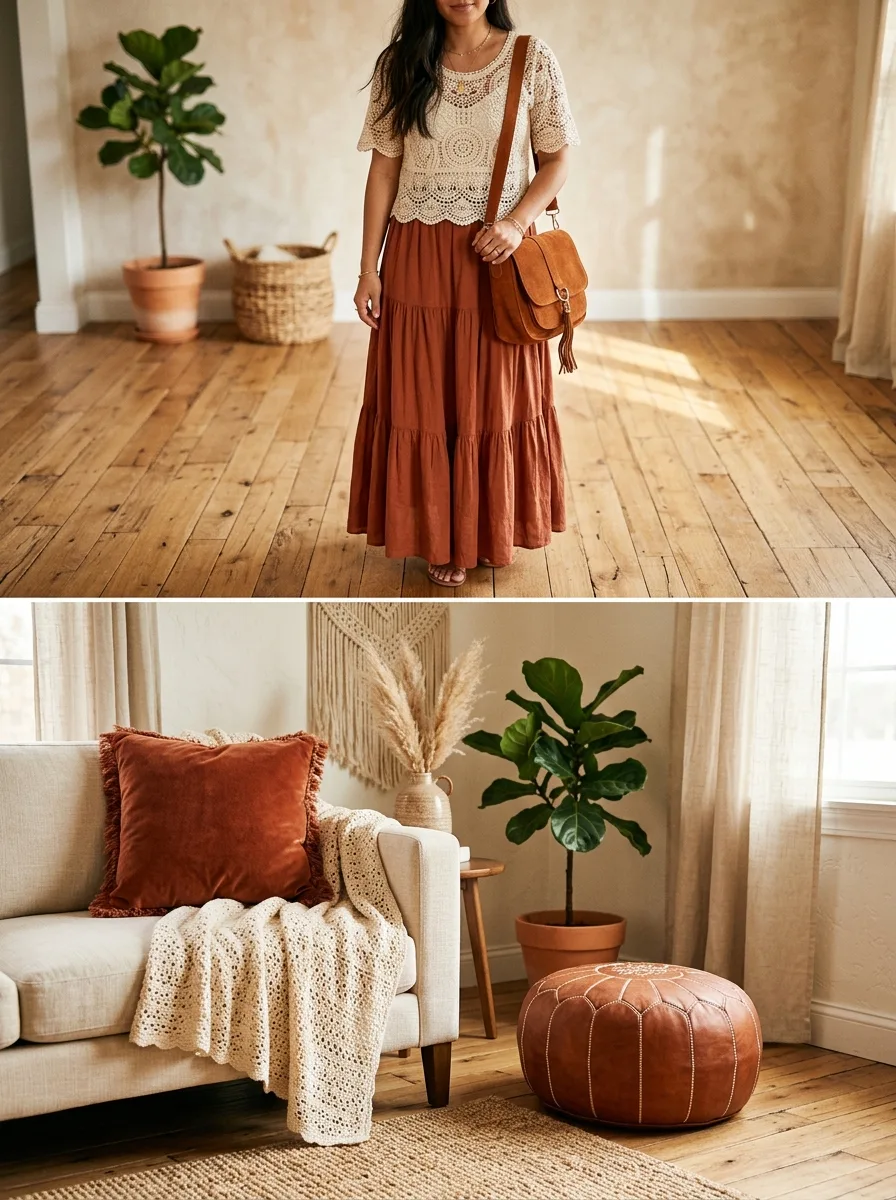
The boho aesthetic works the same way in clothes and in rooms: the same palette, the same materials and the same layered, collected feel. A rust tiered skirt with a crochet top and a suede bag uses exactly the vocabulary of a sofa with a rust velvet pillow, a crochet throw and a leather pouf.
Boho is one aesthetic, not two. The same rust, cream, crochet and leather work on a body and on a sofa.
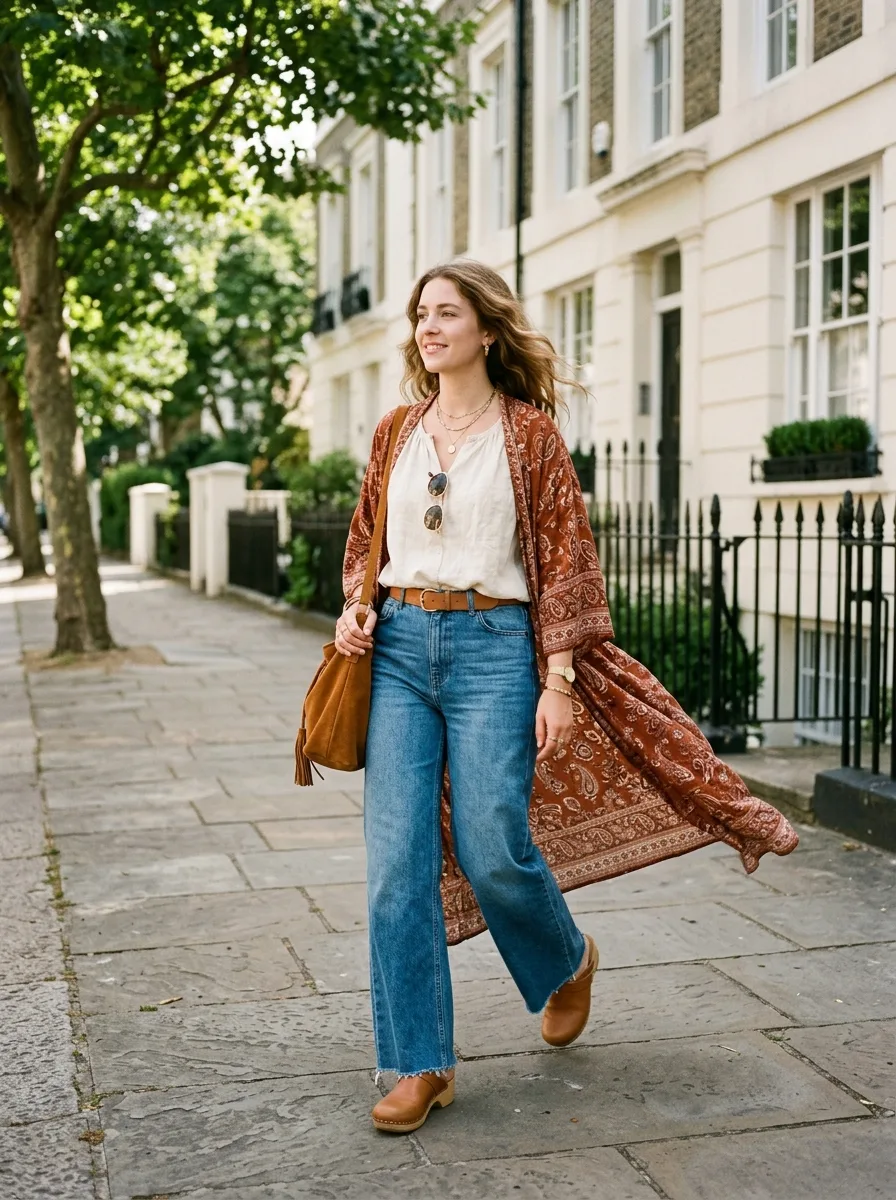
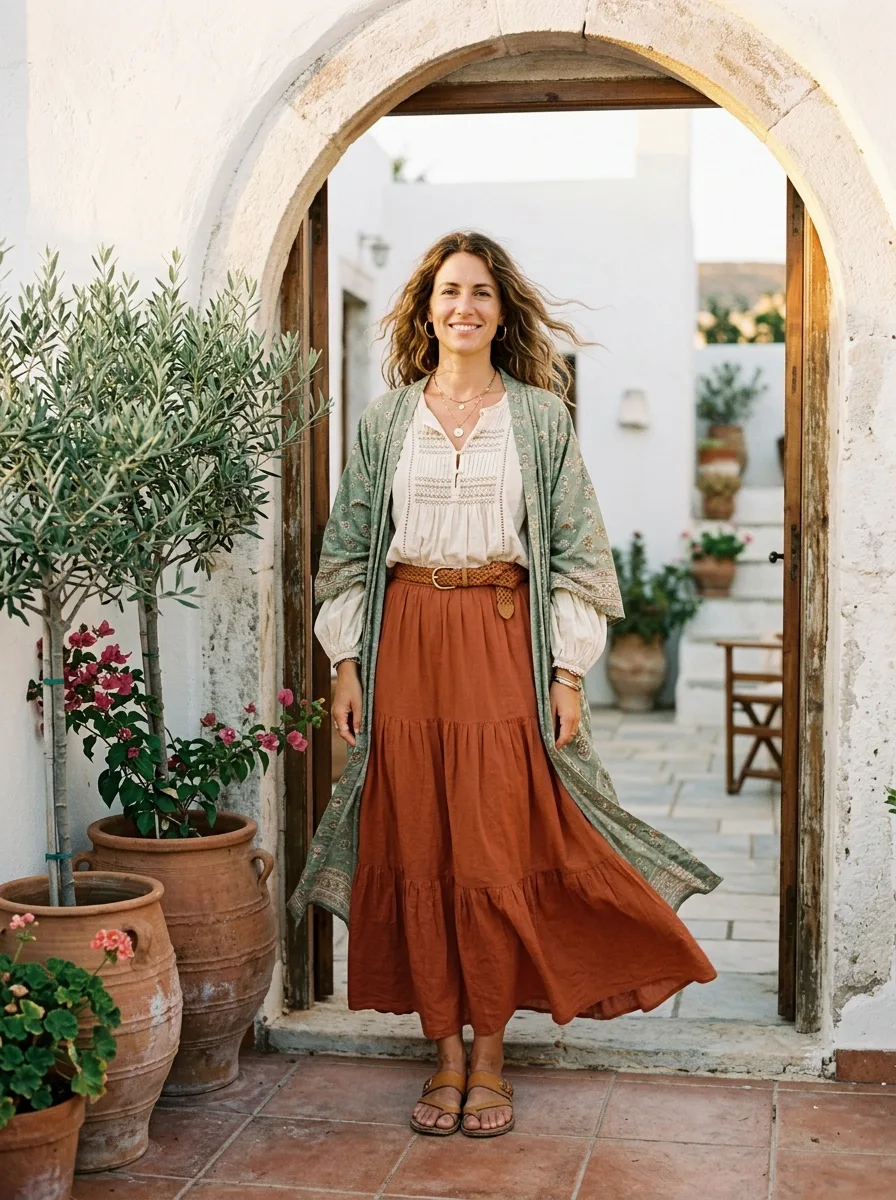
In fashion, boho today usually means one or two bohemian pieces worked into everyday clothes rather than a head-to-toe costume: a kimono over jeans, a peasant blouse with wide-leg trousers, a tiered maxi with ankle boots. Our boho outfit ideas show how to build looks around a single anchor piece, and if you’re starting a wardrobe from zero, our guide to boho style walks through the pieces to buy first.
Boho today is mostly one or two bohemian pieces worked into everyday clothes, like a kimono over jeans rather than a head-to-toe costume.
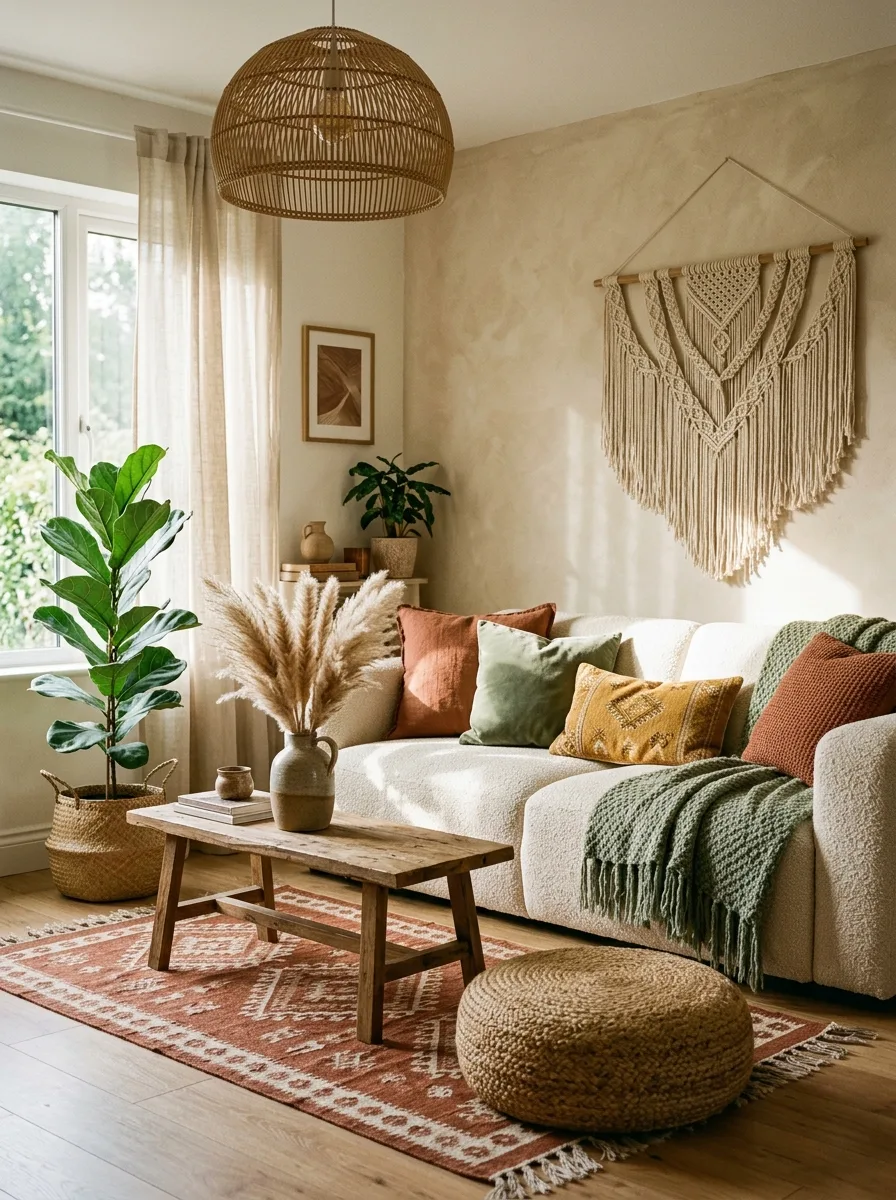
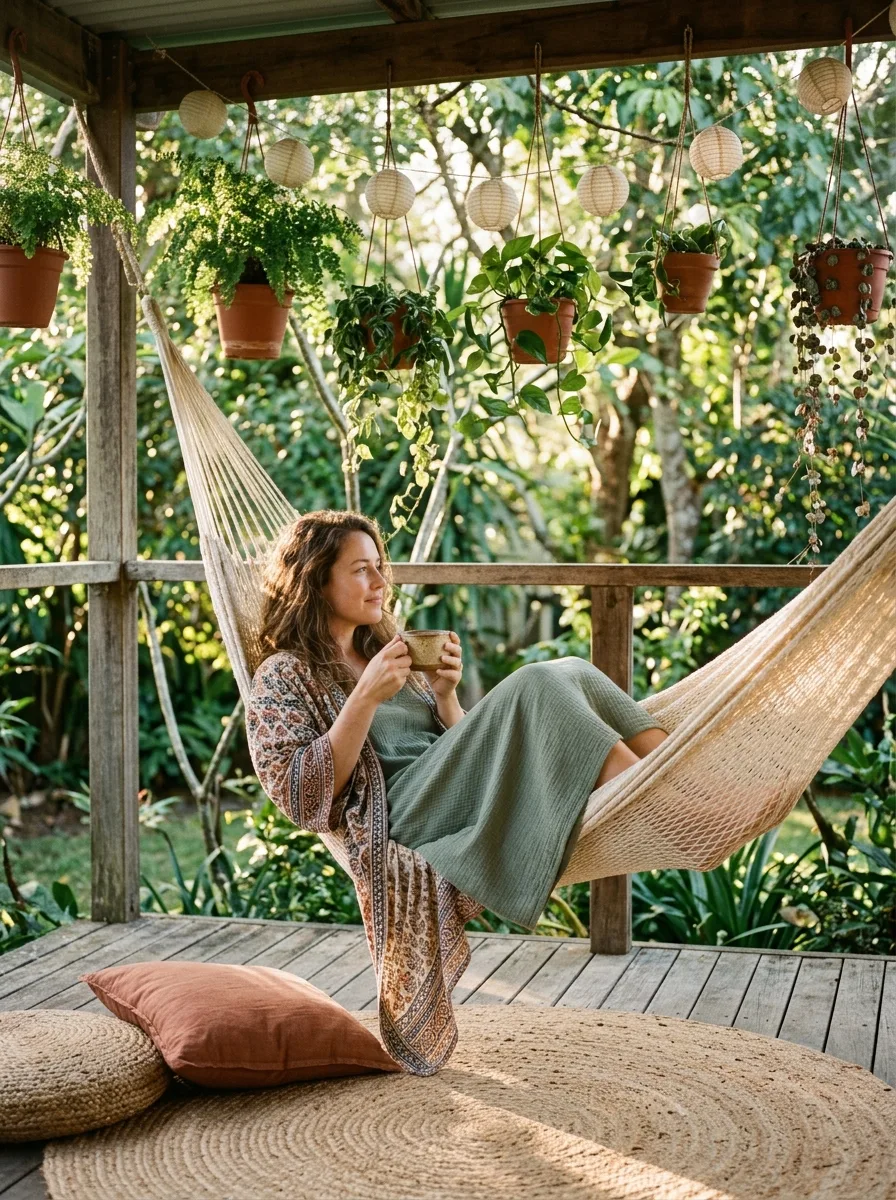
At home, boho means warm colors, natural materials, layered rugs and textiles, plants at several heights and handmade objects, with vintage and new pieces mixed together. Modern versions are lighter and calmer than the 1970s original, with more cream and texture and less pattern. Our complete guide to boho decor covers the principles room by room.
The modern boho home is calmer than the 1970s version: lighter walls, fewer patterns, and natural texture doing most of the work.
Boho vs Boho Chic vs Hippie vs Modern Boho
Boho is the umbrella style; boho chic is its polished edit, hippie is its louder 1960s ancestor, and modern boho is its calm, neutral, texture-first version. They share materials and roots but differ in how much color, pattern and decoration they use.
Boho
Boho chic
Hippie
Modern boho
In one line
Relaxed, layered, collected
Boho edited down and polished
Loud, literal 1960s-70s counterculture
Calm, neutral, texture-first
Palette
Rust, cream, mustard, sage, turquoise
Richer and narrower: rust, olive, cream, gold
Bright and saturated, often psychedelic
Mostly cream and beige, one warm accent
Pattern
Several mixed: paisley, block print, kilim
One print per outfit or room
Tie-dye, bold florals, patchwork everywhere
Little pattern; texture does the work
Key clothing
Peasant blouse, tiered maxi, kimono, fringe
Belted linen, silk slip, one statement piece
Tie-dye tees, bell-bottoms, headbands, vests
Linen sets, simple crochet, neutral knits
At home
Rugs on rugs, plants, macrame, vintage finds
Fewer, better pieces; velvet and brass
Bean bags, beads, posters, saturated color
Light oak, cane, boucle, one big plant
Feels like
Gathered and cozy
Grown-up and put together
Festival, protest, period look
Airy and pared back
None is the “real” one. Most people’s boho sits somewhere between these columns, and the same person can dress boho chic for work and decorate in full classic boho at home.
Is Boho a Style or a Way of Life?
Boho is both: a recognizable aesthetic and an older idea about living freely, creatively and a little outside the mainstream. The original bohemians had no “look” in mind. They had an attitude, and the clothes and rooms followed from it.
Strip away the fringe and the rattan, and boho is still a way of living: slower, freer, and more interested in comfort than in polish.
That’s still the best test of whether something is boho. Ask whether it’s comfortable, whether it’s made from something natural, whether it looks like it has a story, and whether it was chosen because you love it rather than because it matched. If the answer is mostly yes, it belongs in a boho wardrobe or a boho home, whatever the label on it says.
Frequently Asked Questions
What does boho mean in fashion?
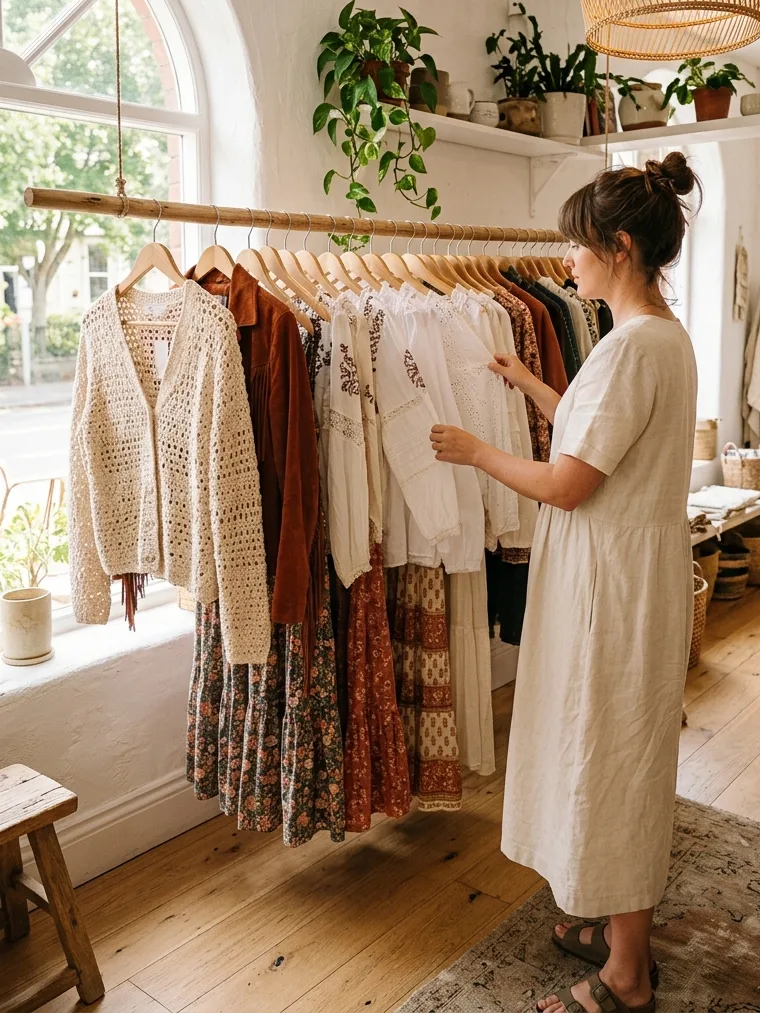
In fashion, boho means loose, layered clothing in natural fabrics like cotton gauze, linen, suede and crochet, with handmade-looking details such as embroidery, fringe or tiers, in an earthy palette. Typical pieces are peasant blouses, tiered maxi skirts, kimonos and flared jeans, finished with mixed gold, turquoise and leather accessories.
Yes. Boho is simply a casual short form of bohemian, and the two words describe the same style. Bohemian tends to be used for the history and the lifestyle, while boho is the everyday word for the look in clothes and interiors.
What is the difference between boho and boho chic?
Boho chic is an edited version of boho. It keeps the flowing shapes and warm colors but uses fewer prints, better fabrics and a single statement piece per outfit, so it reads more polished. Classic boho is happier to mix patterns, layers and accessories.
What is the difference between boho and hippie style?
They share 1960s and '70s roots, but hippie style is louder and more literal: tie-dye, bright psychedelic prints, peace symbols and head-to-toe fringe. Boho keeps the natural fabrics and handmade details but uses earthier colors and fewer statements at once, so it works as everyday clothing rather than a period look.
What colors are considered boho?
Earthy, warm colors: rust, terracotta, cream, mustard, sage, dusty rose, cognac and chocolate brown, with turquoise and indigo as accents. Prints are built from the same tones, like paisley, block prints, small florals and kilim patterns. Neon and icy pastels work against the look.
What does boho mean in home decor?
A boho home is relaxed and collected: warm earthy colors, natural materials like rattan, jute, wood and clay, layered rugs and textiles, lots of plants, and handmade pieces such as macrame. Vintage and new furniture are mixed so the room looks gathered over time rather than bought as a set.